
Fill the Stage

Daniel Dignan

Fill The Stage

“Character is Destiny”

start / index / about

YouTube

high school 

middle school


terms / privacy

Subscribe via Email

National Naval Aviation Museum

April 19, 2025 by Daniel Dignan Leave a Comment

A few months ago I visited the National Naval Aviation Museum in Pensacola, Florida. On the level of Washington D.C.’s National Air and Space Museum, it does not disappoint. Aviation collections span the history of air and military flight operations. Artifacts include World War I era planes, helicopters, spacecraft, Marine One, and jet aircraft.

The museum is overwhelming. Plan on at least 2-3 hours to walk through the entire museum. To make the experience more focused and educational, study the exhibit page beforehand. The purpose and missions of particular aircraft can help high school students appreciate the history and technology.

The museum offers several opportunities:

  • Located within Naval Air Station Pensacola–home of the Blue Angels–visitors have opportunities to watch practices.
  • The museum has flight simulators.
  • Homeschool and STEM opportunities are offered, though I have not personally experienced these events.

It helps to go with someone who knows military aircraft. A couple staff members were knowledgeable about the exhibits. Military personnel were also stationed their supporting museum operations.

One book in the gift shop caught my attention: An Autobiography by Gen. James H. “Jimmy” Doolittle, I Could Never Bo So Lucky Again.


F-14 Tomcat


SH-60 Seahawk 


A Marine helicopter


Museum at a glance:
Filed Under: Earning a Living Tagged With: Florida, National Naval Aviation Museum, Pensacola

The Aeneid

April 12, 2025 by Daniel Dignan Leave a Comment

According to Mortimer Adler, a great American educator, the Iliad, Odyssey, Aeneid, the Divine Comedy, Paradise Lost (the epics), and the Bible constitute the most serious reading program. Great thinkers and writers read them carefully and repeatedly.

Serious readers have to focus on the great books of their field or related fields. They should try to select the best books as time is limited. Adler recognized that reading well is more about quality than quantity. He argued that reading one great book well is better than reading many great books poorly. Reading a great book well can seriously increase one’s understanding of the human condition, life’s big questions, and the good life.

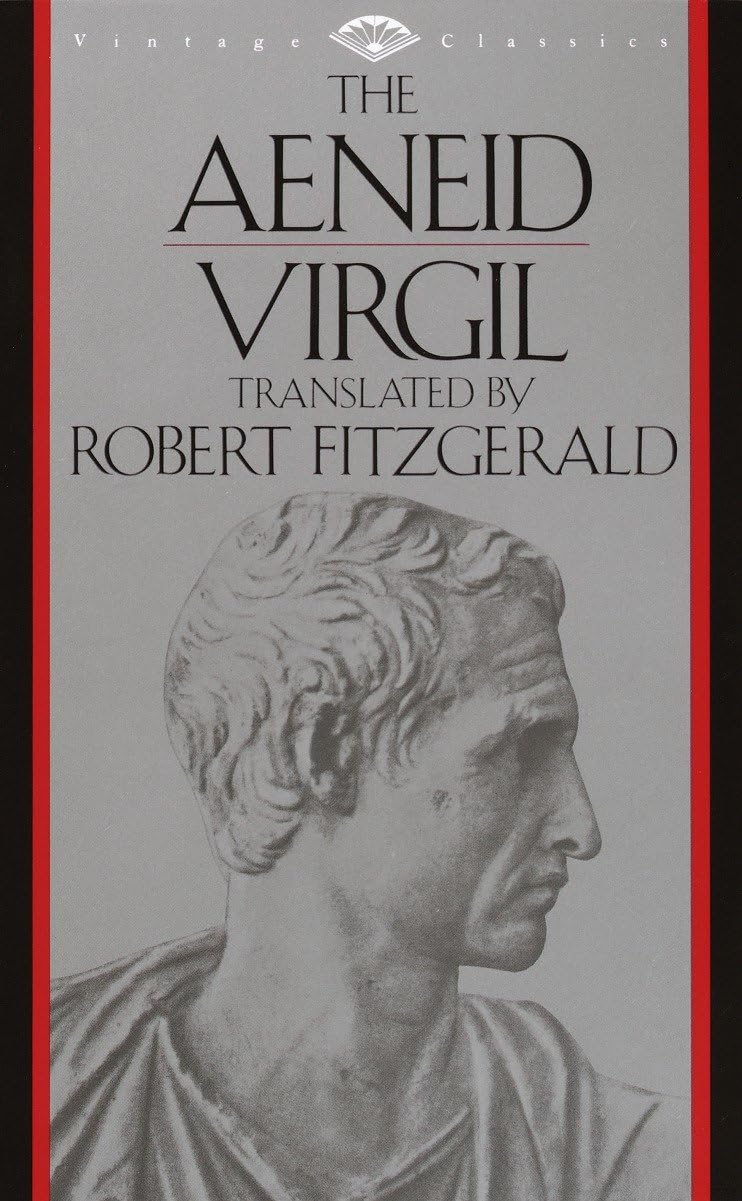
The Aeneid is one of the great books (or poems). Written during the reign of Caesar Augustus at the beginning of the Roman Empire, it seeks to convey something important. Virgil, the author, extended the Iliad and the Odyssey, the great Greek epic poems, casting Aeneas, a Trojan hero who fights to save his city as the Roman Empire’s father and symbol.

The book begins with heartbreak as Aeneas is forced to flee his burning city, his father on his shoulders. Leading his people and journeying to North Africa, the land of Carthage, he falls in love with a queen, but this ends in tragedy as he’s confronted with his calling to found a new civilization.

Robert Fitzgerald, the translator, provides a really good reading experience. He makes the reader experience Troy’s destruction, Aeneas’ journey, danger, love, regret, sacrifice, an epic battle, and Aeneas’ passion. At the end, he provides a helpful synopsis of Rome’s early history and the themes of the Aeneid.

During my teenage years, I was assigned chapters 1, 2, 4, 5, and 12 for a classics camp. Those chapters should not be skipped. The most memorable is chapter two, which is about Troy’s fall: an unforgettable reading experience. The imagery and verse offer the reader a movie-like experience, making him feel like he is there, seeing the walls fall and the city burn.

The description of hell and judgment in Chapter 6 is terrifying. Chapter 9 is the story of a secret military mission. Knowing the danger involved, one young man asks:

“This urge to action, do the gods instill it, Or is each man’s desire a god to him, Euryalus? For all these hours I’ve longed To engage in battle, or to try some great Adventure.”

If you want a helpful podcast conversation about what is happening in the Aeneid, I recommend First Things episode What Virgil Teaches America.

Filed Under: Personal Growth

Teen Leadership Camps

April 5, 2025 by Daniel Dignan Leave a Comment

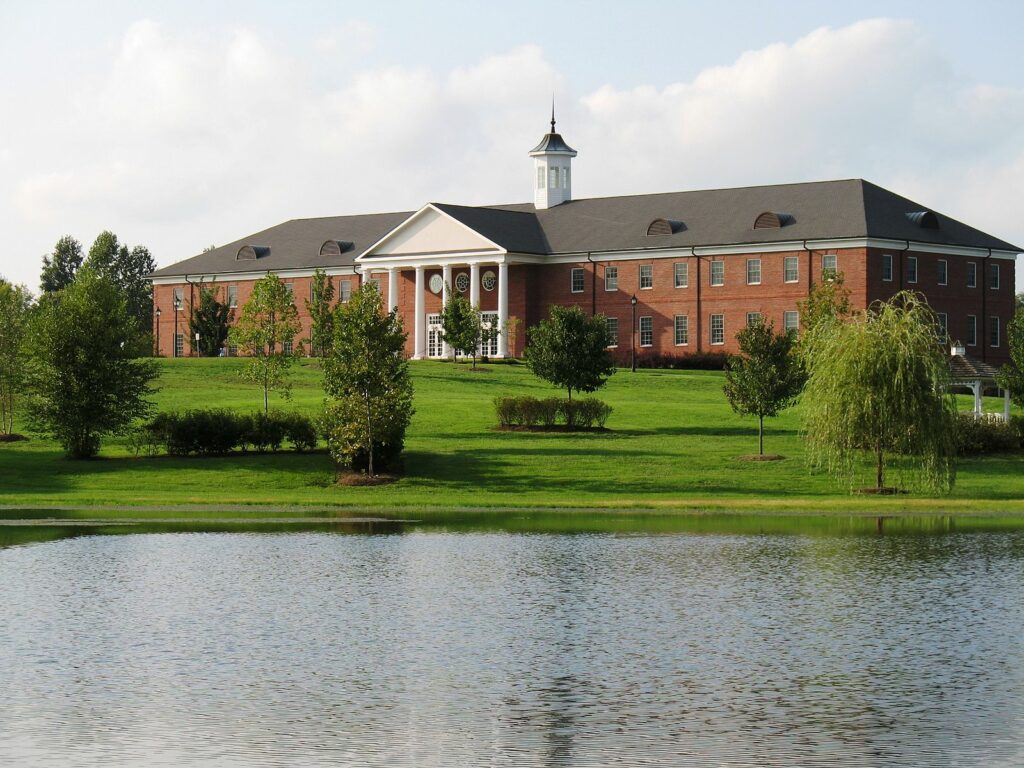
Last week, I attended the 25th anniversary celebration of Patrick Henry College, a top liberal arts college located in Purcellville, Virginia. Started by Mike Farris, constitutional attorney and Homeschool Legal Defense founder, it champions Christian, conservative, and classical education.

Patrick Henry College

While I did not attend the college, as a teenager, I participated in their Teen Leadership Camps, in particular, the spy and literature camps. They combined rigorous learning and instruction opportunities with evening games.

I am a believer in summer camps like these for teenagers. They help kids get out of their comfort zones, open new horizons, and help kids develop socially, spiritually, and intellectually.

Photo Attribution

Filed Under: Personal Growth Tagged With: Patrick Henry College, Teen Leadership Camps, Teen summer camps

Drama and Theater Camps for Kids

March 29, 2025 by Daniel Dignan Leave a Comment

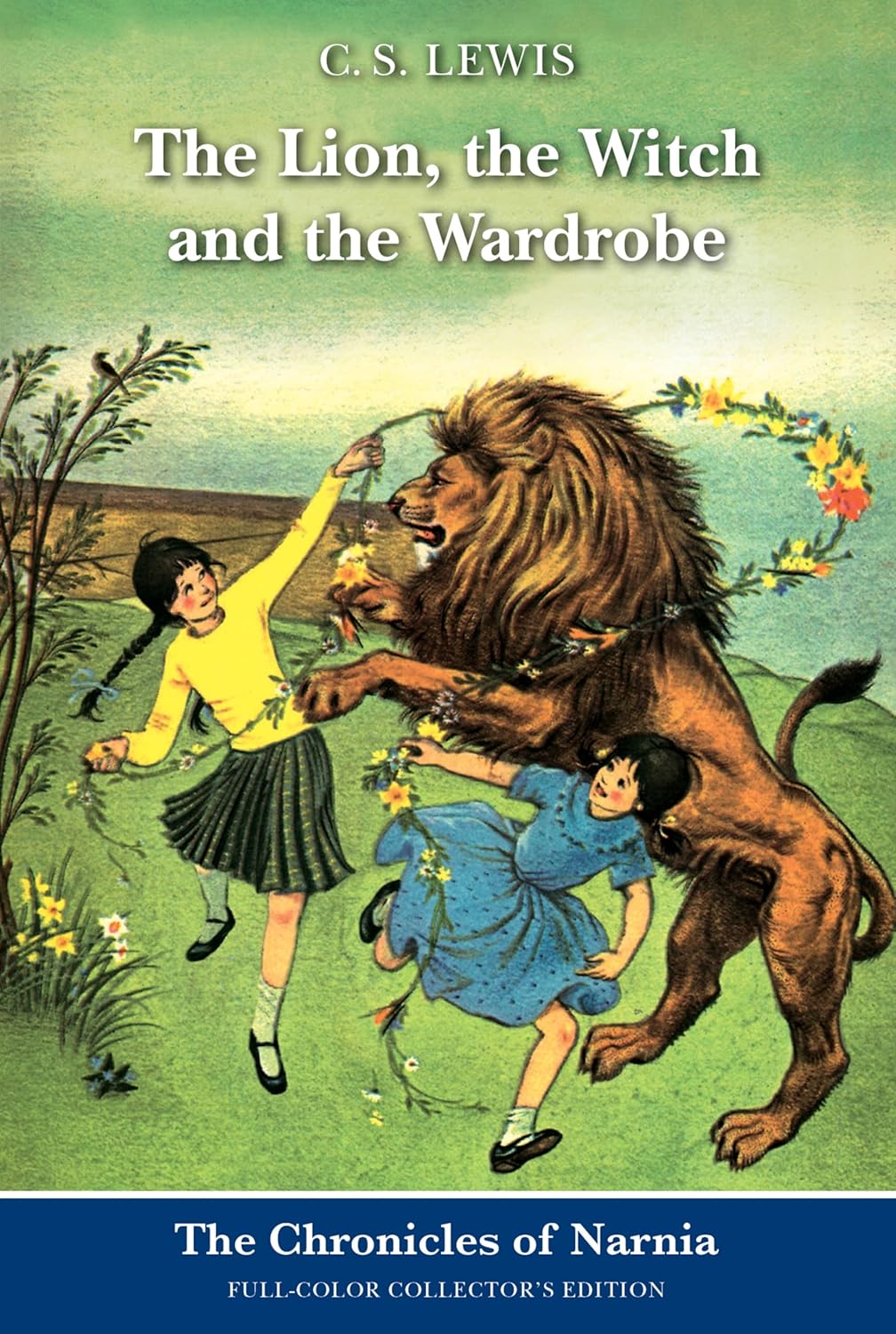
I recently attended my second production of Logos Theater at Washington, D.C.’s Museum of the Bible. The production, costuming, and staging of The Lion, the Witch and the Wardrobe were well done. I especially enjoyed seeing the props change quickly between scenes and the actors move from room to room as the setting changed.

Logos Theater does more than provide first-class theater. They give elementary, middle, and high school students immersive opportunities to learn acting, filmmaking, drama, and theater production in summer camps, co-ops, and traveling drama seminars. Moreover, they offer college-level acting classes and credit.

Acting was never my forte, but in college, I enrolled in several public speaking courses, including an acting course, to get out of my comfort zone. I have never forgotten my acting professor telling the class that we had better get our heads examined if we thought we could make it as professional actors. I think he said it in love, and all of us got the point. Nonetheless, we enjoyed the experience and became braver in public.

Even if your kid doesn’t want to become a professional actor, I recommend the experience. Theater can help kids develop self-awareness and friendships and open their artistic horizons. It’s also a lot of fun—no business is like show business!

Another benefit to Logos Theater is that it introduces students to classic and best-selling books like Narnia and Pilgrim’s Progress.

Filed Under: Earning a Living, Personal Growth Tagged With: Acting for kids, drama camps, Logos Theater

On Second Readings

March 22, 2025 by Daniel Dignan Leave a Comment

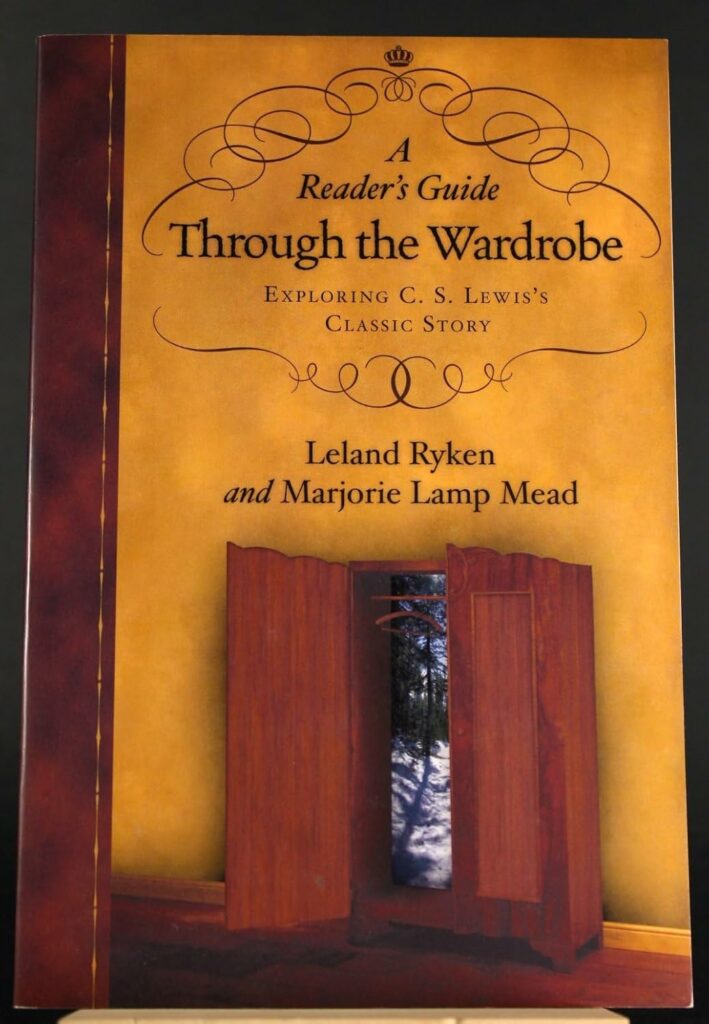
I completed a second reading of C.S. Lewis’s The Lion, the Witch, and the Wardrobe (LWW). Leland Ryken and Marjorie Lamp Mead’s A Reader’s Guide Through the Wardrobe: Exploring C.S. Lewis’s Classic Story enriched the second beyond my initial expectations. The guide explains the storyteller’s craft and the purpose and meaning of story types (genres) like fairy tales and romance literature. Moreover, Ryken is exceptionally well-versed in C. S. Lewis.

At the end of his guide, Ryken quotes Lewis regarding the importance of reading great books more than once. Lewis believed that one could do well without reading some of the greatest writers, but he did not think that a reader of great books should be satisfied with a single read. This is because great books, by definition, offer more than a first reading can provide. Books like Homer’s Odyssey require many readings.

This is also true of modern works, such as Shakespeare’s tragedies and comedies, which can be read repeatedly for enjoyment and benefit. The great classics educator Mortimer Adler said as much in his book How to Read a Book: the best books cannot be fully mastered; they are over us and require more than a single reading to gain rich dividends of wisdom and insight.

The LWW is a classic, one that should be and is often read more than once. The ancient story type of the quest in pursuit of a noble goal, the journey, the coming of age story, the fight against evil, the nature of the good, the reality of a supernatural world, and ancient archetypes that picture these realities all make this classic a memorable and thought-provoking reread.

The most significant part of the LWW is its insight into human experience and the beautiful ways that it relates this to students, young and old.

Filed Under: Personal Growth Tagged With: CS Lewis, Leland Ryken, the lion the witch and the wardrobe

A Reader’s Guide Through the Wardrobe

March 16, 2025 by Daniel Dignan Leave a Comment

Through the Wardrobe is an enlightening guide to C.S. Lewis’s classic fairy tale The Lion, the Witch, and the Wardrobe. Literature expert Leland Ryken provides readers with a chapter-by-chapter account of the story. Elements such as characterization, plot, story world, and archetypes are explained in an engaging and accessible manner. Throughout each chapter, he includes discussion and reflection questions that aid personal reading and group teaching. After reading the guide, the reader will be a more informed reader of fiction and will be greatly helped in understanding the truth and beauty Lewis conveys.

Ryken studied Lewis’s life and work in detail. (His suggested reading list at the end of the book is extensive.) Ryken also taught literature to college students and wrote over 60 books. In this book, he guides the reader through the ancient story types that Lewis enjoyed, studied, and drew upon in The Chronicles of Narnia, including romance literature, fairy tales, and myth. All of this is presented in concise chapters that are accessible to high school students.

Fair Use

I enjoyed every chapter. In particular, the chapters on the White Witch and Edmund’s temptation, Peter’s first battle and romance literature, fairy tales, and Aslan were profound and educational. The final part of the book explains the origins of the Narnia books, their reception, their Christian vision, and biographical information about Lewis.

The guide will help your student enjoy the best literature and gain a deeper understanding of the Bible and human experience.

Filed Under: Personal Growth Tagged With: A reader's guide, CS Lewis, Leland Ryken, the lion the witch and the wardrobe, Through the wardrobe

Guides to The Odyssey

March 8, 2025 by Daniel Dignan Leave a Comment

Leland Ryken, one of the great literary minds of the 20th and 21st centuries, wrote a helpful short guide to The Odyssey. His great contribution is making the famous Greek narrative epic understandable and applicable to modern readers. The guide provides short summaries of the plot and profound commentaries of the important ideas in the epic. Ryken also provides helpful questions and thoughts for reflection, conversation, and study.

Ryken emphasizes the presence of the domestic code that governs the story of The Odyssey and helps one understand why the epic’s content is timeless and matters today. He points out Homer’s literary achievements, explains the essential parts of Odysseus’ adventures, trials, and tests during his journey home after the Trojan War, and underlines the significance of encounters and conversations that are difficult to pick up unless one carefully studies the book.

If you want a short guide to help your kid understand why The Odyssey matters and what lessons it teaches, I highly recommend the book.

Another enlightening and helpful resource is a talk Ryken gave a few years ago about Greek classics and The Odyssey in particular. In this talk he explains his approach to teaching the epic to college students, and what is true, good, and helpful about it.

Filed Under: Personal Growth Tagged With: greek epic, Homer, Leland Ryken, The Odyssey

The Odyssey

March 1, 2025 by Daniel Dignan Leave a Comment

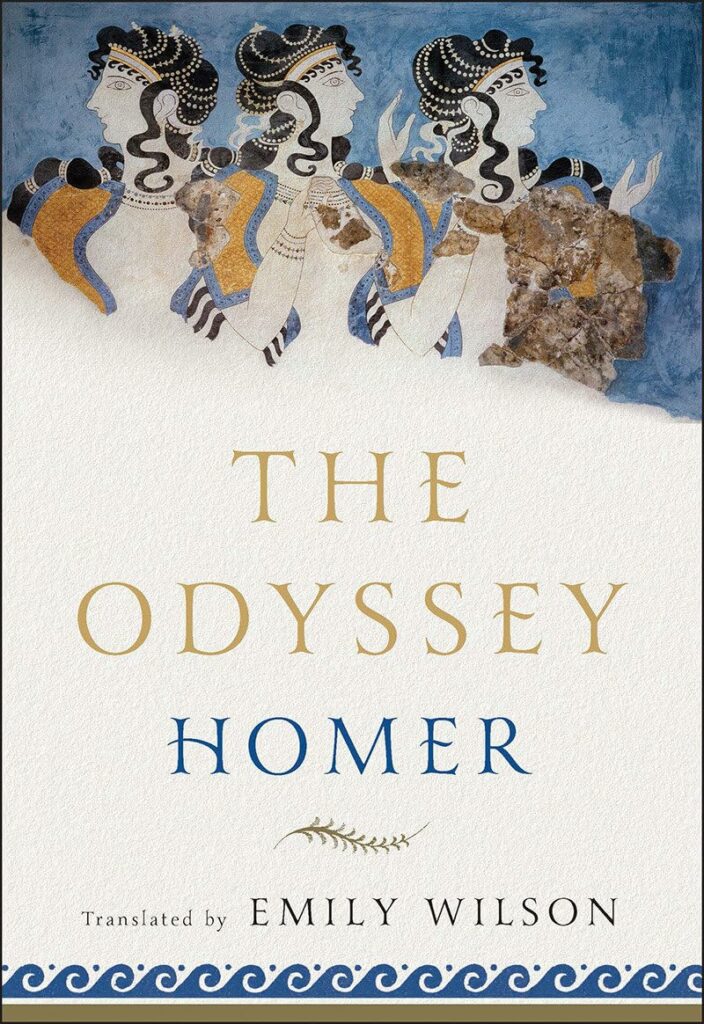
No book has had a more significant impact on the Western world and literature outside of the Bible than Homer’s Odyssey. The great literary philosopher Leland Ryken noted that it (along with Homer’s prequel, The Iliad) was a kind of bible for the ancient Greeks. One of the five great Western epics, it has influenced generations of thinkers and leaders with its captivating story, message, and lessons.

This adventure story follows the travels of the Greek hero Odysseus as he endeavors to return home after the Trojan War. Twelve temptations require various virtues to overcome. The hero’s son and wife also play prominent roles: Telemachus in his search for his father, and Penelope in her struggle against the evil suitors at home.

Who can forget the hero’s adventures? His struggle against the deadly witch, outsmarting the cyclops, leadership at sea, the Siren’s Call, faithfulness to his family and home, and patient planning to right wrongs all factor into an epic of endurance. He faced grave danger, overt temptation, and subtle dangers that require careful reading.

If read carefully and with help, a teenager can benefit from witnessing the virtues displayed in the face of temptations. I recommend Emily Wilson’s poetic translation; it was a joy to read.

The Odyssey might be the best entry point if your son or daughter has never read Homer. The Iliad is fascinating but focuses on war and can be tiring. The Odyssey offers more variety, and the lessons are more apparent.

Filed Under: Personal Growth Tagged With: Emily Wilson, Homer, The Odyssey

Why Every Student Should Become a Lifelong Reader

February 25, 2025 by Daniel Dignan Leave a Comment

A friend, JP Shafer, shares the value of collecting and reading the best books.

Filed Under: Personal Growth Tagged With: building a library, happiness, reading

How To Be A Friend

February 18, 2025 by Daniel Dignan Leave a Comment

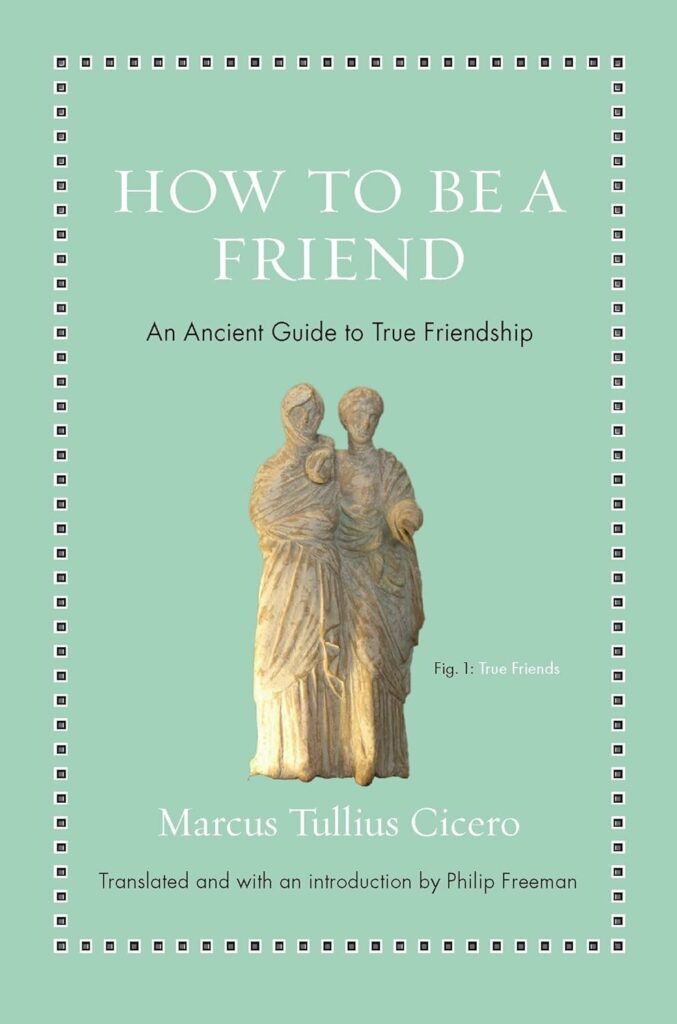
Cicero, the great Roman orator and statesman, wrote a short book on friendship that is helpful. By an older character talking to two younger men, he makes the case that friendship is critical to happiness, and that it is based chiefly on virtue. In fact, the greater one’s virtue, the greater one’s capacity for happy friendships.

There are gems in this book about how friendships flourish and die, the dangers of flattery, the importance of criticism, and how to be a true friend. It is the kind of book that one will want to read more than once.

A high school or middle school student can benefit from it.

The translator includes the Latin on the left-hand pages and the English translation on the right.

Filed Under: Personal Growth Tagged With: Cicero, friendship, How to be a friend

  • « Previous Page
  • 1
  • …
  • 5
  • 6
  • 7
  • 8
  • 9
  • …
  • 11
  • Next Page »