

Fill the Stage

Daniel Dignan

Fill The Stage

Helping students live well

new / index / about

YouTube


terms / privacy

Subscribe via Email

The Tale of Troy

May 10, 2025 by Daniel Dignan Leave a Comment

An actor, teacher, and friend of C.S. Lewis, Roger Lancelyn Green was a gifted storyteller who wrote several short stories for children. (He encouraged Lewis to publish The Lion, the Witch, and the Wardrobe.) The Tale of Troy is about the Trojan War and the heroes’ return home.

If your son or daughter is not quite ready to read Homer’s Iliad and Odyssey, this story is a good place to start. While staying true to the ancient stories, he shortened and simplified them, enabling a retelling of the whole. His version includes the background, main events, what happened to the heroes, and Odysseus’s journey home to his wife, son, and kingdom.
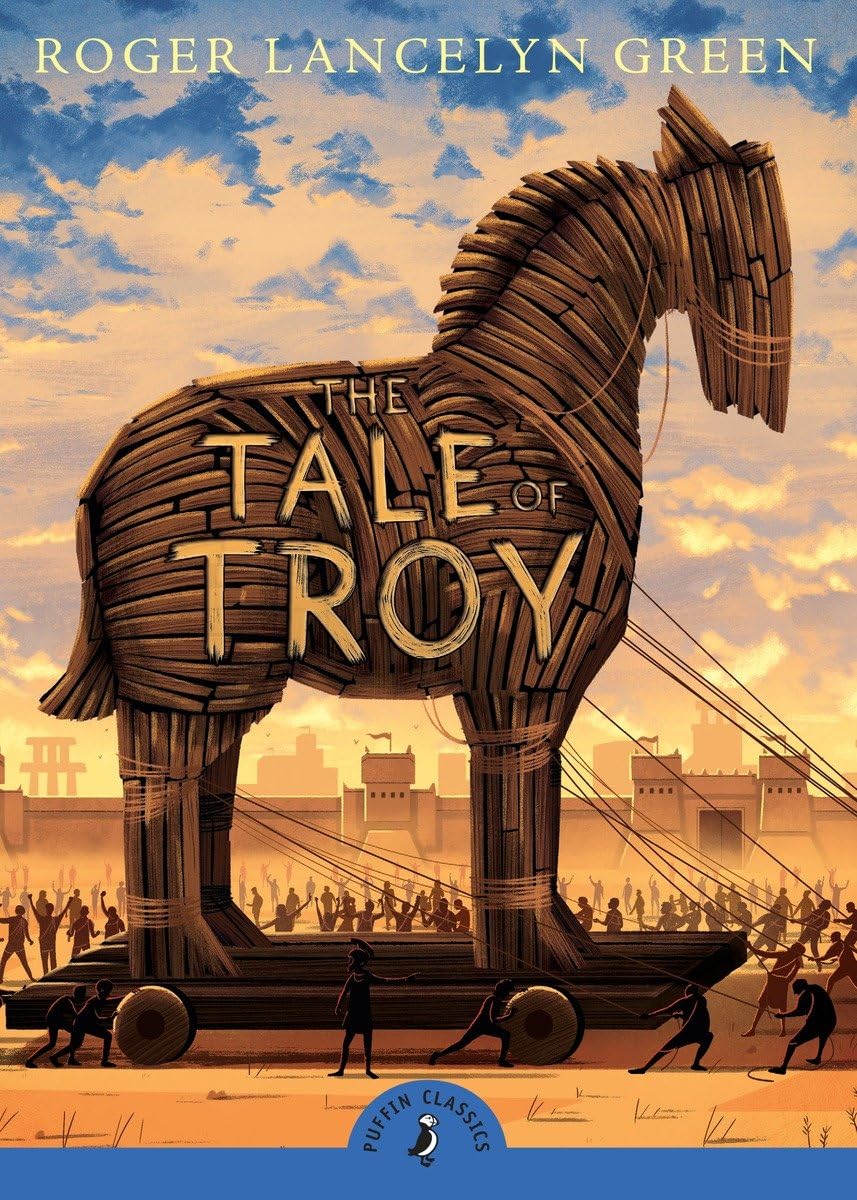
The tales of the central characters — Agamemnon, Menelaus, Paris, Helen, Achilles, Hector, Ajax, Aeneas, Odysseus, Telemachus, Penelope — are told.

Green’s book offers students a solid introduction to the West’s literature. The book is well-written, action-packed, and moves quickly. I recommend inserting it into your student’s reading lineup or reading it to your student.

Finally, the illustrations are by Pauline Baynes, the original illustrator of The Chronicles of Narnia.
Filed Under: Personal Growth Tagged With: Homer, Roger Lancelyn Green, The Odyssey, The Tale of Troy, Trojan War

Guides to The Odyssey

March 8, 2025 by Daniel Dignan Leave a Comment

Leland Ryken, one of the great literary minds of the 20th and 21st centuries, wrote a helpful short guide to The Odyssey. His great contribution is making the famous Greek narrative epic understandable and applicable to modern readers. The guide provides short summaries of the plot and profound commentaries of the important ideas in the epic. Ryken also provides helpful questions and thoughts for reflection, conversation, and study.

Ryken emphasizes the presence of the domestic code that governs the story of The Odyssey and helps one understand why the epic’s content is timeless and matters today. He points out Homer’s literary achievements, explains the essential parts of Odysseus’ adventures, trials, and tests during his journey home after the Trojan War, and underlines the significance of encounters and conversations that are difficult to pick up unless one carefully studies the book.

If you want a short guide to help your kid understand why The Odyssey matters and what lessons it teaches, I highly recommend the book.

Another enlightening and helpful resource is a talk Ryken gave a few years ago about Greek classics and The Odyssey in particular. In this talk he explains his approach to teaching the epic to college students, and what is true, good, and helpful about it.

Filed Under: Personal Growth Tagged With: greek epic, Homer, Leland Ryken, The Odyssey

The Odyssey

March 1, 2025 by Daniel Dignan Leave a Comment

Outside of the Bible, no book has had more impact on the West than Homer’s Odyssey. One of the five great Western epics, it has inspired ages of thinkers and adventurers with its story, form, and timeless lessons.

This adventure story follows the journey of a Greek warrior and king, Odysseus, as he endeavors to return home after the Trojan War. Twelve temptations threaten his success. The hero’s son and wife struggle in his absence: Telemachus searches for his father, and Penelope resists conniving suitors at home.

Who can forget the hero’s adventures? His struggle against the deadly witch, outsmarting the cyclops, leadership at sea, the Siren’s Call, faithfulness to his family and home, and patient planning to right wrongs all factor into an epic of endurance. He faced grave danger, overt temptation, and subtle dangers that require careful reading.

Leland Ryken has noted that it (along with its prequel, The Iliad) was a kind of bible for the ancient Greeks.

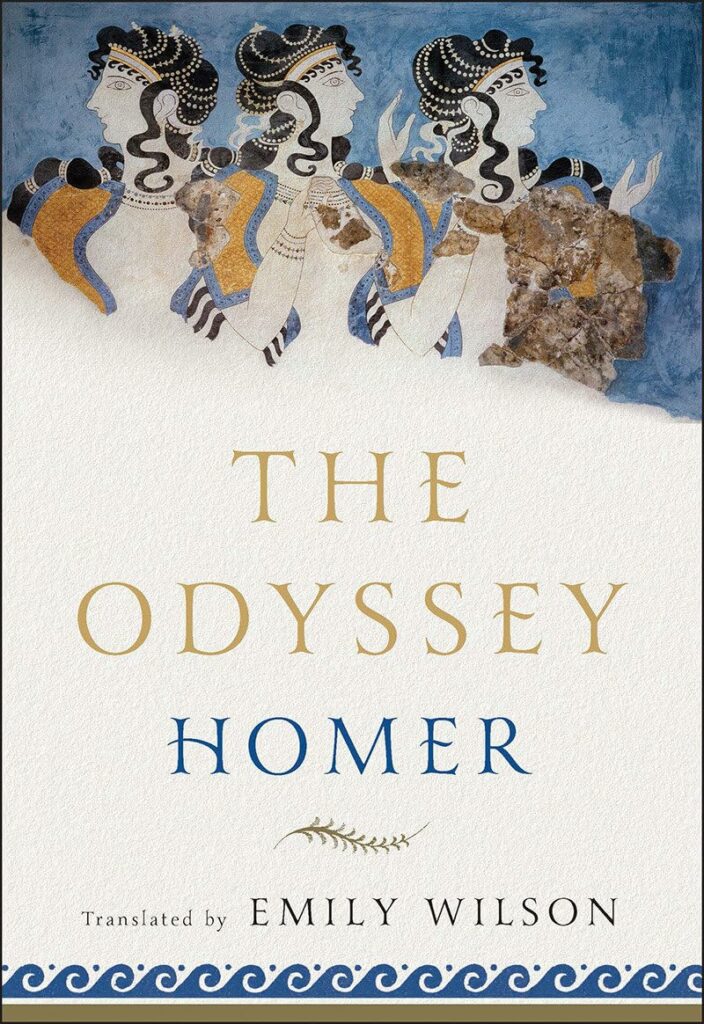
If read carefully and with help, a teenager can benefit from witnessing the virtues displayed in the face of temptations. I recommend Emily Wilson’s poetic translation; it was a joy to read.

The Odyssey might be the best entry point if your son or daughter has never read Homer. The Iliad is fascinating but focuses on war and can be tiring. The Odyssey offers more variety, and the lessons are more apparent.

Filed Under: Personal Growth Tagged With: Emily Wilson, Homer, The Odyssey