
Fill the Stage

Daniel Dignan

Fill The Stage

Welcome to Fill The Stage. This site offers enrichment resources for students. New here? Click the start page.

start / index / about

YouTube

high school 

middle school


terms / privacy

Subscribe via Email

Home » Page 11

How to Become a Straight-A Student

July 5, 2024 by Daniel Dignan Leave a Comment

If your teenager needs to develop stronger study habits, I recommend Cal Newport’s How to Become a Straight-A Student. The author explains how top-college students earn high grades while studying less than their peers.

Topics include time management, note-taking, exam preparation, and research paper writing. The book is jam-packed with strategies, techniques, and tips from elite students and the author’s own academic experience.

Although college and university students are the target audience, middle and high school students could benefit from adopting the practices before facing the rigors of higher education. Moreover, those entering the workforce could also benefit because they need study skills for their careers.

The book is divided into three parts: basic study habits, quiz and exam preparation, and paper writing. The first part focuses on time management, limiting procrastination, and study tips. The exam preparation section shows how to take notes and study for tests, both technical and non-technical ones. The final section reveals how to research, write, and edit a paper — the author’s approach works for term papers, but it is also suitable for writing short nonfiction books. 

The most helpful parts are his strategies for time management, note-taking, test prep, and the research phase of paper writing. For note-taking, he teaches students to focus on the lecturer’s question, evidence, and conclusion. For test prep, Newport explains how prep ought to begin on day one of class. For paper writing, the most helpful section is the research section. He shows how to plan it out and find resources. He also emphasizes the need to separate the research, writing, and editing stages. (There is much more.)

I like how the book helps curb procrastination and encourages planning one’s activities, leaving room for interruptions and leisure. If followed, the book’s strategies and methods can lower stress and anxiety, and as the author contends, increase opportunities.

Takeaways: 

  • Plan your school semester out in advance.
  • Plan each week out in advance.
  • Schedule time periods for each day’s known activities. 
  • Jot tasks that come to mind throughout the day in a planner.
  • Reschedule tasks that were not completed the previous day, and schedule tasks that were jotted down.
  • When studying for a test, recall the main ideas and concepts, and explain them out loud. 

Warning: the book contains a few inappropriate references like “debauchery” and “party like a demon” (38).

Filed Under: Earning a Living

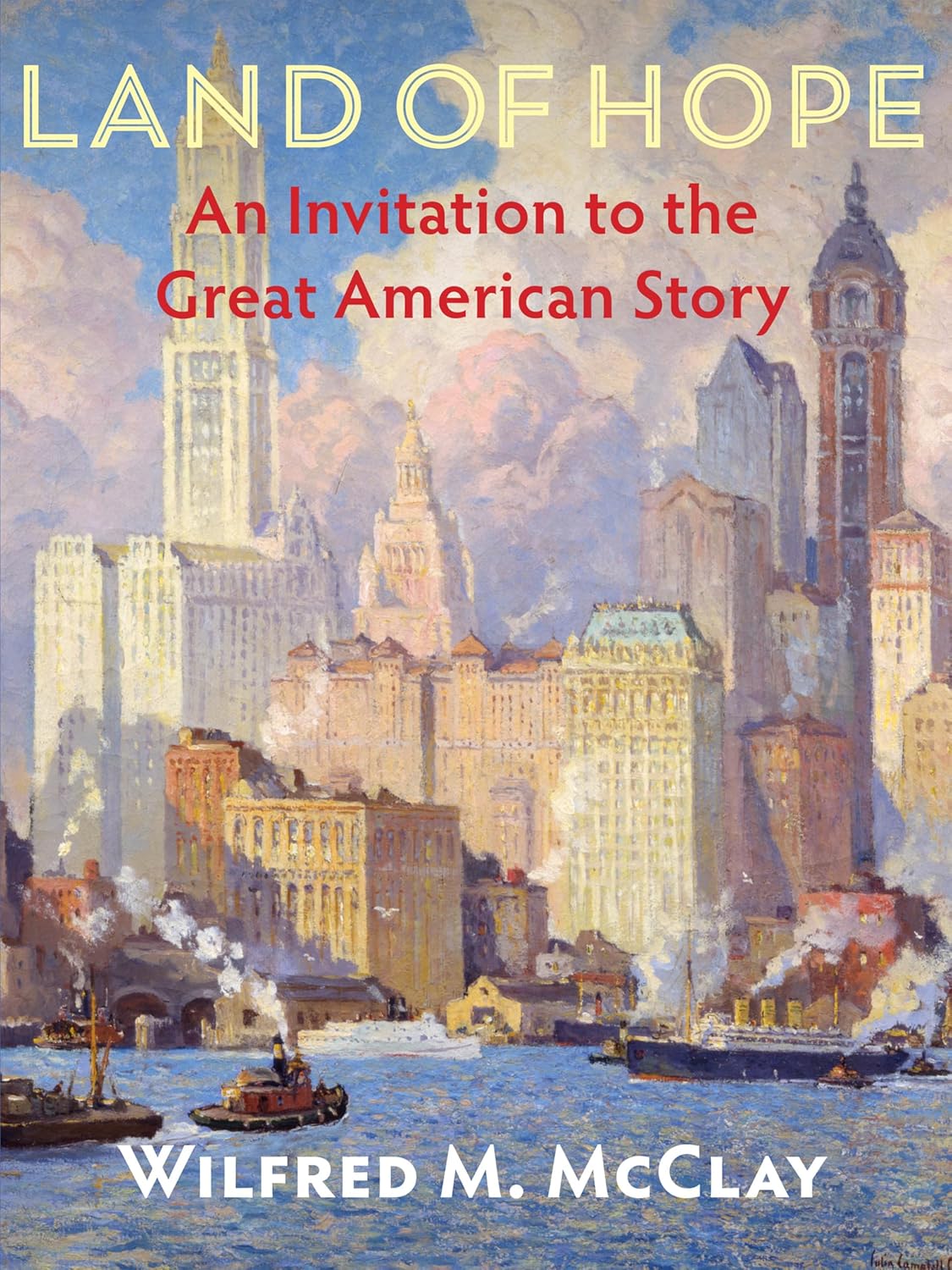
Land of Hope: An Invitation to the Great American Story

July 1, 2024 by Daniel Dignan Leave a Comment

At the beginning of the modern age, Christopher Columbus sailed across the Atlantic Ocean, seeking a shorter trade route to the Eastern lands, but discovered North America instead. Although he never understood the significance of his discovery, it changed the world forever. The story of America is inspiring and fascinating, yet few today comprehend its rise, struggles, triumphs, leaders, and what made it a land of hope.

Wilfred McClay’s best-selling book tells America’s story, helping readers see the big picture and revealing invaluable, meaningful lessons. I highly recommend the book to parents of middle and high school kids. This is a great book to read as we approach America’s 250th birthday in 2026.

McClay is a master historian who believes history contains valuable lessons that support a healthy patriotism and responsible citizenship. In this book, he focuses on America’s political history from colonial times to the present. He writes engagingly, avoids partisan politics, yet is open about his belief that America was and is a land of hope. 

The author does an excellent job explaining major events and their causes and effects in ways that delight and reveal. He explains what led to European settlement, and he continues into colonial America, the Great Awakening, the founding, the Civil War, the World Wars, the Depression, and the Cold War. The Louisiana Purchase, the Monroe Doctrine, Reconstruction, modernization, the Progressive Era, the civil rights movement, and Vietnam are also covered. 

One of the book’s greatest strengths is its treatment of America’s leaders. He interposes stories of George Washington, Benjamin Franklin, Abraham Lincoln, and many other presidents. He also shares about lesser-known American leaders who played a significant role in America’s story. 

Some of the most interesting and helpful parts include chapter 3 “The Revolution of Self-Rule”, chapter 7 “The Age of Democracy” (where he describes the significance of Alexis de Tocqueville’s political and social analysis of America in his famous book Democracy in America), chapter 8 “The Old South and Slavery”, chapter 12 “A Nation Transformed” (about the Civil War’s aftermath), and chapter 14 “The Progressive Era.”

Land of Hope is suitable for teenagers who want to understand the time they find themselves in, what is happening around them, and what role they should play. 

In conclusion, here is a quote that McClay used to emphasize the importance of history:

Every generation rewrites the past. In easy times history is more or less of an ornamental art, but in times of danger we are driven to the written record by a pressing need to find answers to the riddles of today. We need to know what kind of firm ground other men, belonging to generations before us, have found to stand on. In spite of changing conditions of life they were not very different from ourselves, their thoughts were the grandfathers of our thoughts, they managed to meet situations as difficult as those we have to face, to meet them sometimes lightheartedly, and in some measure to make their hopes prevail. We need to know how they did it.

In times of change and danger when there is a quicksand of fear under men’s reasoning, a sense of continuity with generatoins gone before can stretch like a lifeline across the scary present and get us past that idiot delusion of the exceptional Now that blocks good thinking. That is why, in times like ours, when old institutions are caving in and being replaced by new institutions not necessarily in accord with most men’s preconceived hopes, political thought has to look backwards as well as forwards.

John Dos Passos “The Use of the Past,” from The Ground We Stand On: Some Examples from the History of a Political Creed (1941)

Land of Hope: An Invitation to the Great American Story

Filed Under: Civic Responsibility Tagged With: American history, American history textbook, Land of Hope, Land of Hope: An Invitation to the Great American Story, Wilfred McClay

George Washington’s Epic Forest Adventure

June 28, 2024 by Daniel Dignan Leave a Comment

George Washington’s behavior and achievements in the American War for Independence are legendary and heroic. Yet, his early life is not as well-known, though his energy, activity, bravery, and leadership were striking. James Thomas Flexner tells the story of a 21-year-old Washington leading six men through the wilderness on behalf of the King of England. This trek put George Washington on the map.

Functioning as an emissary and spy for the king, Washington embarked on a cold, dangerous, and grueling journey through forests and paths (known only to indians and explorers) from eastern Virginia to the Ohio Valley, south of Lake Erie. The result of his mission would be a world war, remarkable military leadership, and the command of the Virginia Regiment charged with the protection of the settlers and families of the Shenandoah Valley.

It all began when George Washington strongly pursued military responsibility and leadership. His “visible intelligence and energy” (52) marked him, as did his woodland experience as a surveyor, as one dependable for a unique and essential mission.

Here I tell the story that you can read about in Flexer’s wonderful book, in chapter 6: Forest Adventure:

Filed Under: Personal Growth Tagged With: George Washington, James Thomas Flexner, Ohio Valley, The Forge of Experience

George Washington: The Forge of Experience

June 25, 2024 by Daniel Dignan Leave a Comment

Reading biographies can help a young person develop character and become a better leader. Even a single biography can make a huge difference. George Washington is a great place to start.

It has been said that Washington is the most unknown well-known person in American history. Very few people know much about his life or what made him one of the most significant leaders of all time and a universally loved figure. Washington’s character, leadership, bravery, work ethic, and consideration for others made him indispensable. Generations of people have benefited from his life.

I have enjoyed learning about the early life experiences of Washington, in particular, his hardships as a young man in his early twenties, leading men in wilderness adventures.

Here, I review a top biography of his early life:

Filed Under: Personal Growth Tagged With: George Washington, James Thomas Flexner, The Forge of Experience

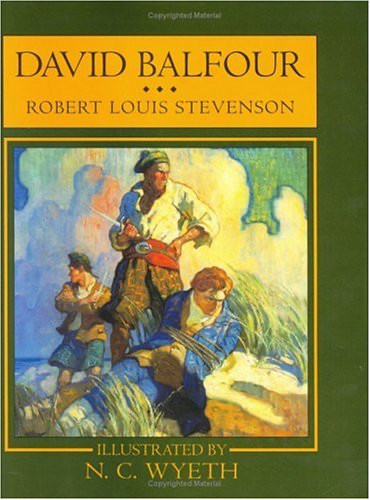
David Balfour

June 22, 2024 by Daniel Dignan Leave a Comment


Robert Louis Stevenson’s sequel to “Kidnapped” picks up where the first left off. David risks his life and fortune to testify for a man wrongly accused of murder. During this time, he falls in love with Catriona, a young woman with a perplexing and deceitful father. A page-turner to the end, David Balfour might be better than its more famous prequel. 

The story is set in mid-18th-century Scotland, six years after the English victory over the Scottish clans and Bonnie Prince Charlie’s attempt to restore his father to the British throne. 

The central characters include Lord William Grant Prestongrange, a powerful judge and politician, Alan Breck, a valiant warrior, the fiery and honorable Catriona, and James MacGregor Drummond, her father.

Early in the book, a man named Fraser—secretly directed by Prestongrange—sought to terrify David into changing his story about the accused man’s innocence. But David sought to speak truthfully even though it would have been easier, safer, and much to his economic and social advantage to drop his claims. (Read Kidnapped for a complete account of the murder.)

To block David’s testimony, Prestongrange kidnaps David, yet protects his life. (David’s relationship with the morally complicated and political Prestongrange vexes David, and is one of the most thought-provoking parts of the book.)

On a lighter note, although just interesting, a moving courtship between David and Catriona develops. Here’s a beautiful moment in their budding relationship:

“I have seen you but a small time, but I put you very high. You are true, you are brave; in time I think you will be more of a man yet. I will be proud to hear of that. If you should speed worse, if it will come to fall as we are afraid–O well! think you have the one friend. Long after you are dead and me an old wife, I will be telling the bairns about David Balfour, and my tears running. I will be telling how we parted, and what I said to you, and did to you. God go with you and guide you, prays your little friend: so I said–I will be telling them–and here is what I did.”

She took up my hand and kissed it. This so surprised my spirits that I cried out like one hurt. The color came strong in her face, and she looked at me and nodded.

“O yes, Mr. David,” said she, “that is what I think of you. The heart goes with the lips.”

Throughout the story, David experiences many challenges and decision points, including:

  • Whether or not he is ready for marriage and fatherhood
  • Whether to duel or flee due to a lack of training
  • Pressure from Prestongrange and the political establishment to ignore the truth about a condemned man
  • Do the right thing or help Prestongrange avoid calamity

Like other great classic works of fiction, David Balfour is an entertaining and thought-provoking experience. The reader is made to see that life is full of moral decisions and that drastic action is often required to avoid moral catastrophes. Teenagers need stories like this in their heads when moral challenges come their way.

Finally, the book is full of interesting tidbits of Scottish history, Highland dialogue, duels, political intrigue, romance, and lessons for all ages. Teens will learn the importance of convictions, ethics, education, and quality friends.

I recommend reading the N. C. Wyeth illustrated version from Charles Scribner’s Sons.

Filed Under: Personal Growth Tagged With: Catriona, David Balfour, Robert Louis Stevenson

Reasons Why Trekking Is Worth The Pain

June 19, 2024 by Daniel Dignan Leave a Comment

In this video I share reasons why trekking is worth all the difficulties you will face in preparation for and during the trip.

If you have another reason why trekking is worth the difficulties, please comment!

Filed Under: Personal Growth Tagged With: Armenia, Camping, Hiking, Trek

Aremenia Trekking Takeaways

June 17, 2024 by Daniel Dignan Leave a Comment

Here are top takeaways from my trek through Armenia. These are intended to help your kid benefit from adventures.

Please subscribe for updates.

Filed Under: Personal Growth Tagged With: Armenia, lessons learned, takeaways, Trek, Trekking

Armenia Trekking Preparation Recommendations

June 12, 2024 by Daniel Dignan Leave a Comment

Trekking long distance is rewarding but it takes advanced preparation. In this video, I share recommendations to help make your family’s trek successful and a happy one.

More videos are coming. Please subscribe to my YouTube channel for updates.

Filed Under: Personal Growth Tagged With: Armenia, Preparation, Recommendations, Trek, Trekking

Armenia Trek Highlights

June 8, 2024 by Daniel Dignan Leave a Comment

I recorded a video of some of the highlights of my recent trekking trip to Armenia. If you want an amazing adventure, it’s hard to beat the land that Noah. 

Filed Under: Personal Growth

Kidnapped

May 26, 2024 by Daniel Dignan Leave a Comment

Kidnapped, Robert Louis Stevenson’s epic tale set in the Scottish highlands, is a delightful read about David Balfour, a young man who, while seeking his rightful inheritance, is tricked by his uncle and committed to slavery in the Carolinas.

However, Balfour’s fate is checked by a most unusual man—the vainglorious and heroic Alan Breck, who David notes as “a man I would rather call my friend than my enemy.” One of the most colorful characters in literature, Alan would rather die than fail in his duty or forfeit his honor.

Early in the story, in an unforgettable scene, David—having been kidnapped by a Jekyll-like ship captain, forced to work as the ship’s bartender, and enticed by the captain to betray Alan—warns Alan of treachery.

”¦scarce had Alan spoken, when the captain showed his face in the open door.

“Stand!” cried Alan, and pointed his sword at him. The captain stood, indeed; but he neither winced nor drew back a foot.

“A naked sword?” says he. “This is a strange return for hospitality.”

“Do you see me?” said Alan. I come of kings; I bear a king’s name. My badge is the oak. Do you see my sword? It has slashed the heads of mair Whigmores than you have toes upon your feet. Call up your vermin to your back, sir, and fall on! The sooner the clash begins, the sooner ye’ll taste this steel throughout your vitals.

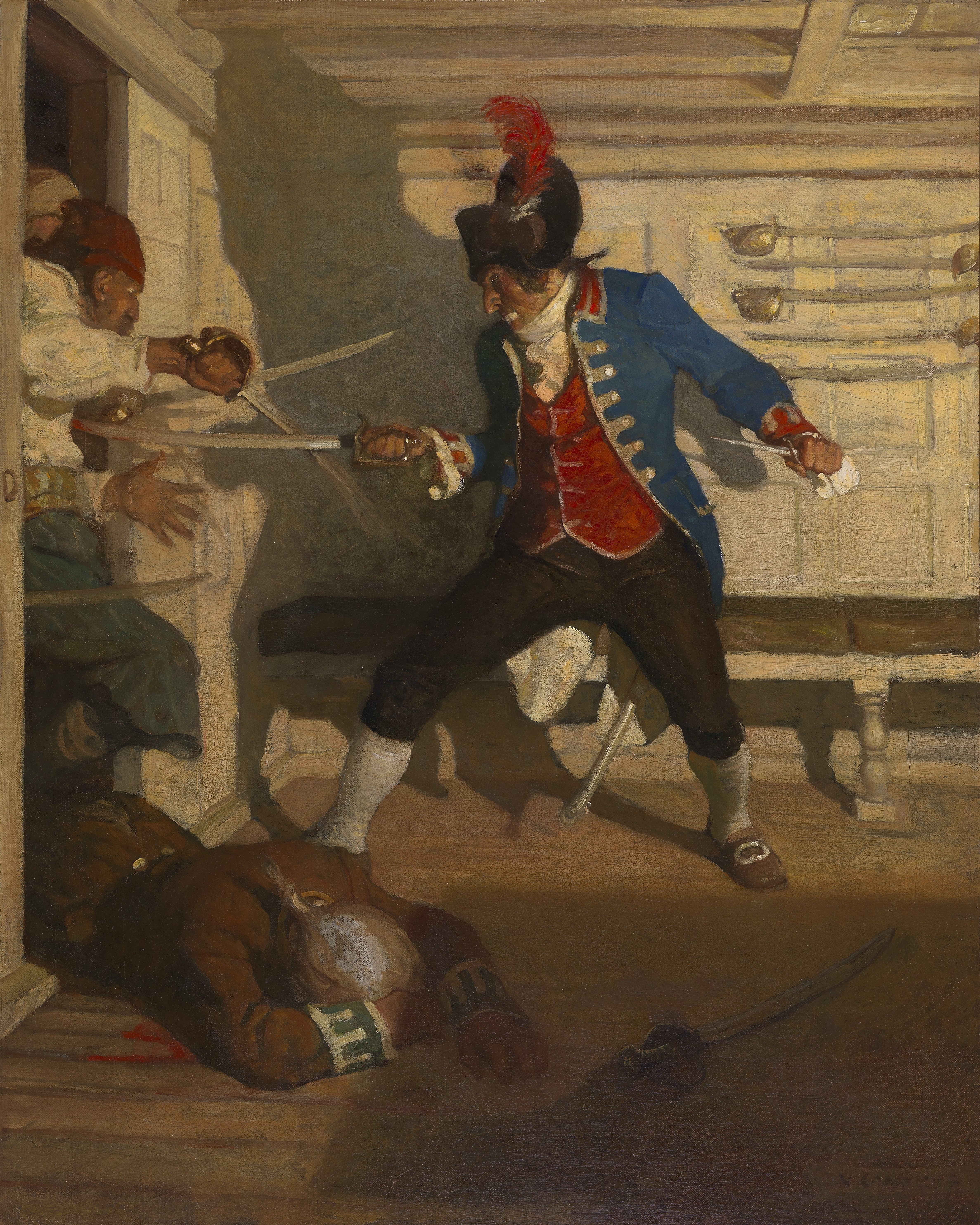
A fight ensued, two against all hands: Alan at the roundhouse door, David guarding the rear. The famous illustrator, N.C. Wyeth captured the deseparate moment well.

N.C. Wyeth (1882-1945), The Siege of the Round-House, it all came all of a sudden when it did, with a rush of feet and roar, and then a shout from Alan, 1913, oil on canvas, 40 x 32 1/8 in. Brandywine Museum of Art, Bequest of Mrs. Russell G. Colt, 1986

As the story progresses, their journey becomes increasingly difficult. Moreover, bad pride threatens their friendship and mission. David said: “So I went like a sick, silly and bad hearted schoolboy, feeding my anger against a fellow-man, when I would have been better on my knees, crying to God for mercy. And at each of Alan’s taunts, I hugged myself. “Ah!” thinks I to myself, “I have a better taunt in readiness; when I lie down and die, you will feel it like a buffet in your face; ah, what a revenge! ah, how you will regret your ingratitude and cruelty!”

A near death experience compels them to make amends and lay aside their anger.

The story’s incidents take place across the highlands and reveal old Scotland after England defeated the clans in a battle led by Charles Edward Stuart, known as Bonnie Prince Charlie. Stevenson, a Scotsman, gives readers an odyssey of an experience not unlike the great epic poem, reopening an old world of treachery, danger, adventure, and prowess.

Events like the ship sword fight, the murder of Roy Campbell, and the bagpipe dual are classic scenes worthy of reading. David Balfour is honest, brave, and conscientious, and Alan is heroic, charming, and indomitable. Both strive to fulfill their duties amid perilous circumstances.

Finally, the Walt Disney 1960 movie is wonderful (though some of the complexity of the plot and thinking of David Balfour is lost); it was one of my favorite childhood films.

This version of the book looks good.

This one has a lot of illustrations.

I read this paperback edition; it has grey versions of the classic N.C. Wyeth illustrations.

Filed Under: Personal Growth Tagged With: Alan Breck Stewart, David Balfour, Kidnapped, Robert Louis Stevenson, Scotland

  • « Previous Page
  • 1
  • …
  • 9
  • 10
  • 11
  • 12
  • Next Page »