
Fill the Stage

Daniel Dignan

Fill The Stage

“Character is Destiny”

start / index / about
YouTube

high school 

middle school


terms / privacy

Subscribe via Email

Greek and Shakespearian Drama

June 14, 2025 by Daniel Dignan Leave a Comment

Classic movies and stories often incorporate elements of either tragedy or comedy. A classic modern tragedy is Gone with the Wind. The main character, Scarlett O’Hara, never learns and doubles down on her destructive behavior. The ending is sad, indeed. Conversely, comedies have happy endings.

What is the point?

Tragedies and comedies help us make sense of human experience. Leland Ryken notes that the exaggerated content encourages wisdom and virtue. A tragedy shocks our sensibilities, causing us to think more deeply about life. A comedy gently nudges us toward what is true, good, and beautiful. It helps us appreciate and love what should be valued.

William Shakespeare’s dramas are entertaining and unforgettable experiences. Some are haunting and serve as warnings to the reader. Who can forget Macbeth’s attempt to cleanse his hands of the blood he shed?

When C.S. Lewis was a child in Ireland during the early 20th century, he would read Shakespeare’s plays for entertainment. One of Lewis’s biographers, Dr. Harry Lee Poe, observed that attending a Shakespearean play was akin to watching a movie today.

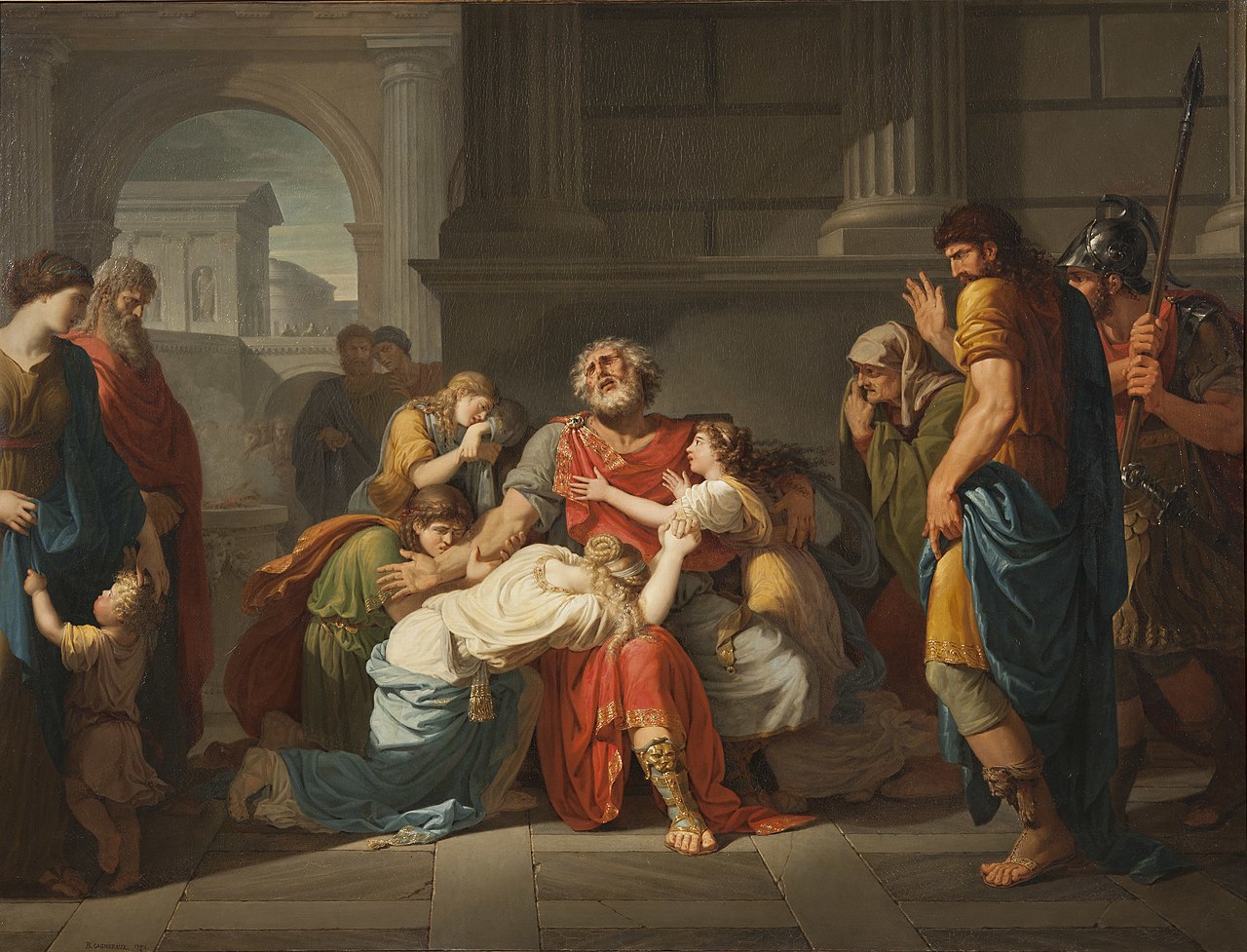
If you plan on reading Shakespeare to your kids, read a couple of the best Greek dramas first. They form the foundation of the tradition that Shakespeare built upon. Tragedies like Oedipus Rex (Oedipus the King) and Antigone by Sophocles are the greatest dramas ever written. One commentator noted that the plot of Oedipus Rex might be the best.
Bénigne Gagneraux

The stories are not only gripping and entertaining, but lessons are apparent. (Antigone’s uncle Creon is a parable for power’s corrupting influence and the dangers of pride.)

In closing, Leland Ryken made an invaluable point about the difference between Greek and Shakespearean dramas: the focal point of Greek dramas is fate, while Shakespeare emphasizes human responsibility. In the former, the main characters had no final say in what happened to them; in the latter’s work, it’s as Sir Walter Scott so famously wrote: “Oh what a tangled web we weave….”
Filed Under: Personal Growth Tagged With: Antigone, Leland Ryken, Oedipus, Oedipus Rex, William Shakespeare

A Christian Guide to the Classics

June 1, 2025 by Daniel Dignan Leave a Comment

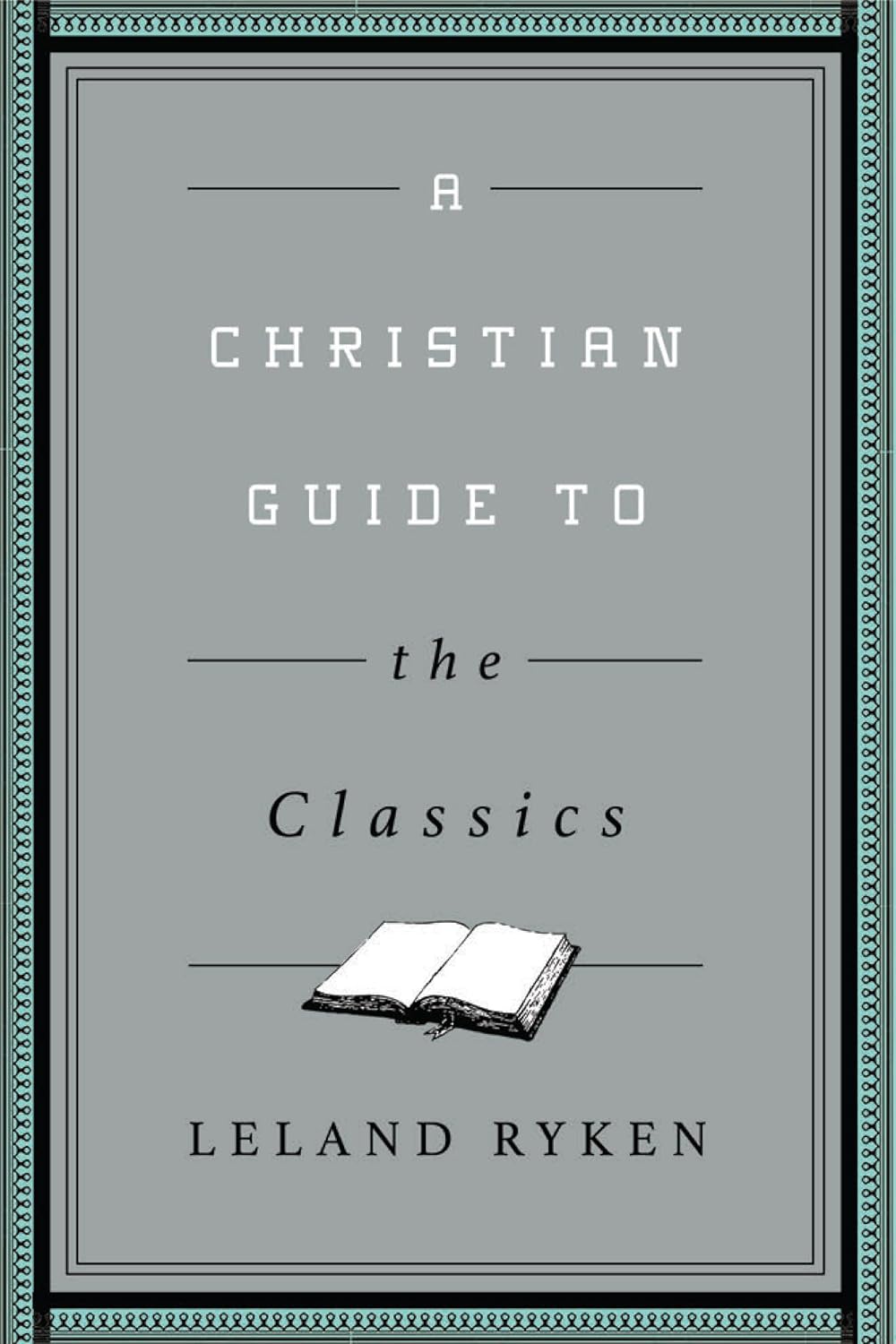
This book is an excellent guide to acquiring an education. It describes what classic books are, why they should be read, and how to read them effectively. Moreover, the author shares a short list of classic book recommendations, most of which are suitable for high school students.

The book is concise, well-written, and features helpful quotes from Horace, Augustine, T.S. Eliot, and C.S. Lewis.

The author taught literature at Wheaton College, wrote many books, and was the primary literary advisor for the English Standard Bible translation.

In this book, Ryken provides an organized accounting and general commentary of the English and Western literary canon, helping newcomers make sense of it. Also, he describes key classics such as John Milton’s Paradise Lost. He dedicates chapters of the guide to the Bible, Christian classics, and secular works, helping the reader understand the difference between helpful and less helpful classics.

Finally, Ryken emphasizes that classic literature helps one make sense of life and human experience and live well. I appreciated his emphasis on the enjoyment great books bring to readers. This is a book that a high school student can benefit from significantly.

Filed Under: Personal Growth Tagged With: Leland Ryken

On Second Readings

March 22, 2025 by Daniel Dignan Leave a Comment

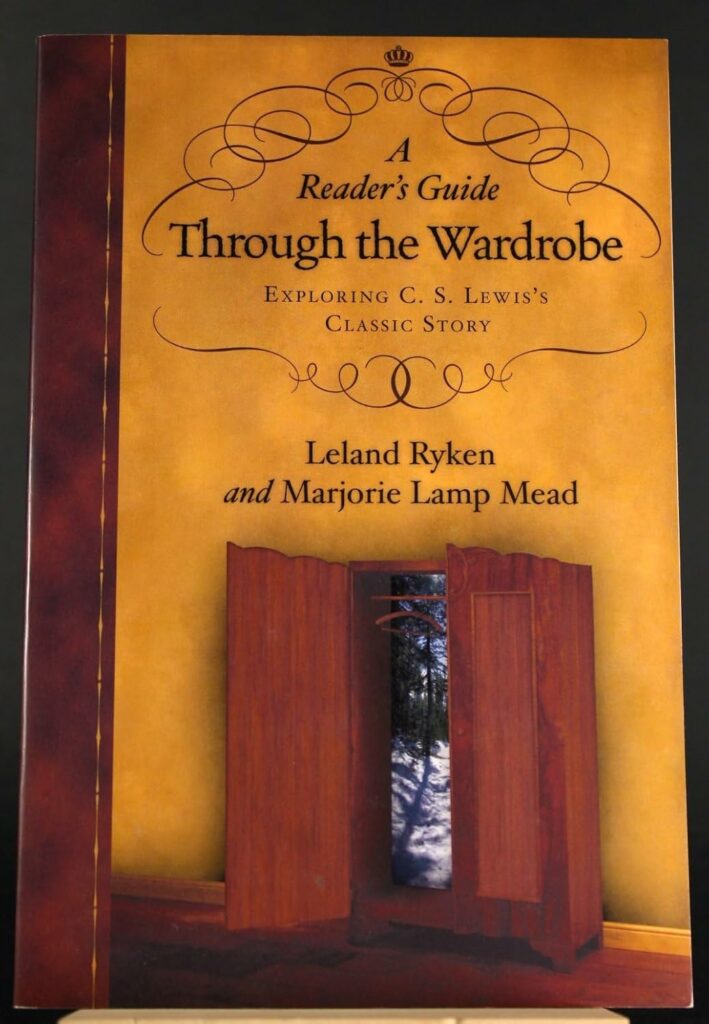
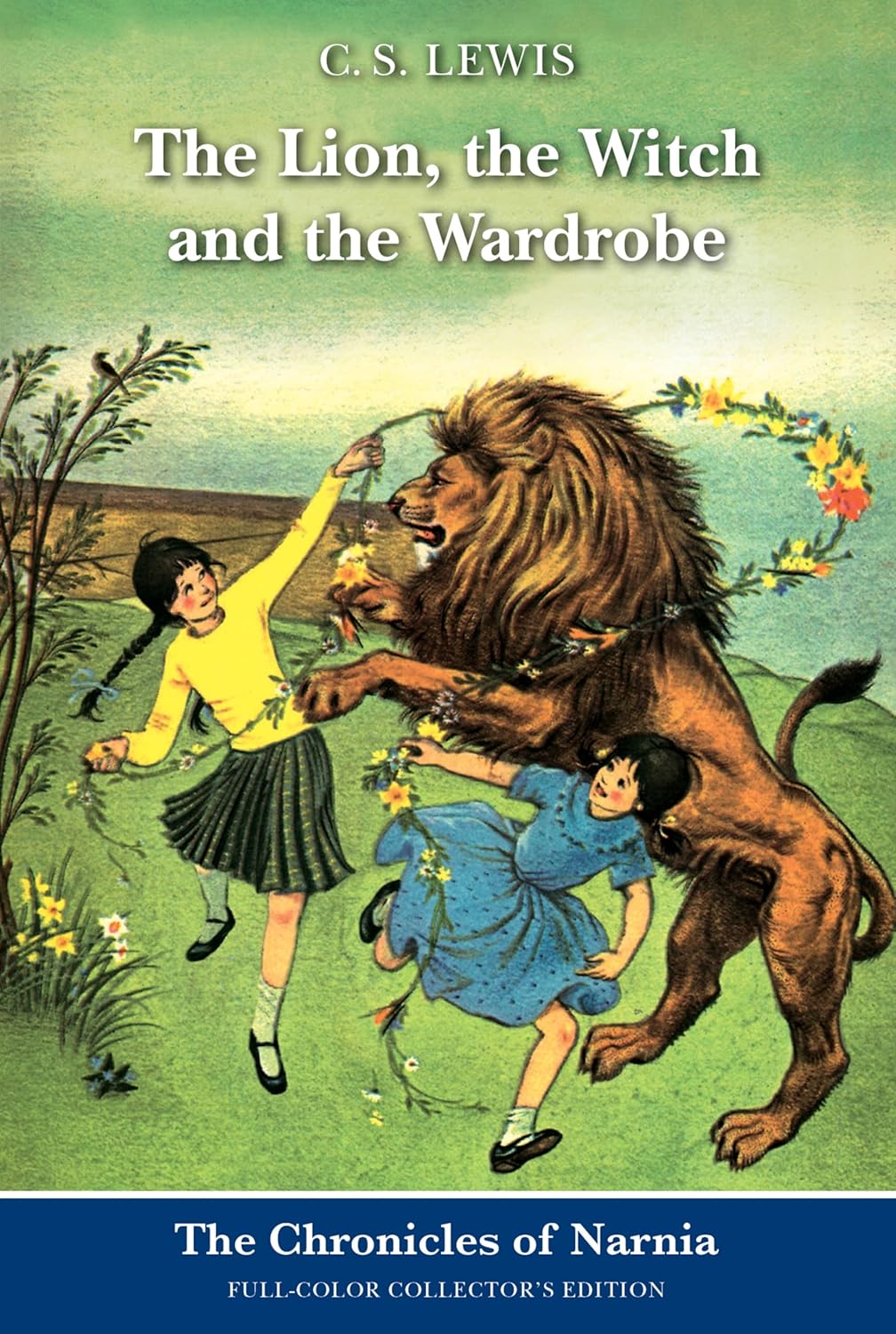
I completed a second reading of C.S. Lewis’s The Lion, the Witch, and the Wardrobe (LWW). Leland Ryken and Marjorie Lamp Mead’s A Reader’s Guide Through the Wardrobe: Exploring C.S. Lewis’s Classic Story enriched the second beyond my initial expectations. The guide explains the storyteller’s craft and the purpose and meaning of story types (genres) like fairy tales and romance literature. Moreover, Ryken is exceptionally well-versed in C. S. Lewis.

At the end of his guide, Ryken quotes Lewis regarding the importance of reading great books more than once. Lewis believed that one could do well without reading some of the greatest writers, but he did not think that a reader of great books should be satisfied with a single read. This is because great books, by definition, offer more than a first reading can provide. Books like Homer’s Odyssey require many readings.

This is also true of modern works, such as Shakespeare’s tragedies and comedies, which can be read repeatedly for enjoyment and benefit. The great classics educator Mortimer Adler said as much in his book How to Read a Book: the best books cannot be fully mastered; they are over us and require more than a single reading to gain rich dividends of wisdom and insight.

The LWW is a classic, one that should be and is often read more than once. The ancient story type of the quest in pursuit of a noble goal, the journey, the coming of age story, the fight against evil, the nature of the good, the reality of a supernatural world, and ancient archetypes that picture these realities all make this classic a memorable and thought-provoking reread.

The most significant part of the LWW is its insight into human experience and the beautiful ways that it relates this to students, young and old.

Filed Under: Personal Growth Tagged With: CS Lewis, Leland Ryken, the lion the witch and the wardrobe

A Reader’s Guide Through the Wardrobe

March 16, 2025 by Daniel Dignan Leave a Comment

Through the Wardrobe is an enlightening guide to C.S. Lewis’s classic fairy tale The Lion, the Witch, and the Wardrobe. Literature expert Leland Ryken provides readers with a chapter-by-chapter account of the story. Elements such as characterization, plot, story world, and archetypes are explained in an engaging and accessible manner. Throughout each chapter, he includes discussion and reflection questions that aid personal reading and group teaching. After reading the guide, the reader will be a more informed reader of fiction and will be greatly helped in understanding the truth and beauty Lewis conveys.

Ryken studied Lewis’s life and work in detail. (His suggested reading list at the end of the book is extensive.) Ryken also taught literature to college students and wrote over 60 books. In this book, he guides the reader through the ancient story types that Lewis enjoyed, studied, and drew upon in The Chronicles of Narnia, including romance literature, fairy tales, and myth. All of this is presented in concise chapters that are accessible to high school students.

Fair Use

I enjoyed every chapter. In particular, the chapters on the White Witch and Edmund’s temptation, Peter’s first battle and romance literature, fairy tales, and Aslan were profound and educational. The final part of the book explains the origins of the Narnia books, their reception, their Christian vision, and biographical information about Lewis.

The guide will help your student enjoy the best literature and gain a deeper understanding of the Bible and human experience.

Filed Under: Personal Growth Tagged With: A reader's guide, CS Lewis, Leland Ryken, the lion the witch and the wardrobe, Through the wardrobe

Guides to The Odyssey

March 8, 2025 by Daniel Dignan Leave a Comment

Leland Ryken, one of the great literary minds of the 20th and 21st centuries, wrote a helpful short guide to The Odyssey. His great contribution is making the famous Greek narrative epic understandable and applicable to modern readers. The guide provides short summaries of the plot and profound commentaries of the important ideas in the epic. Ryken also provides helpful questions and thoughts for reflection, conversation, and study.

Ryken emphasizes the presence of the domestic code that governs the story of The Odyssey and helps one understand why the epic’s content is timeless and matters today. He points out Homer’s literary achievements, explains the essential parts of Odysseus’ adventures, trials, and tests during his journey home after the Trojan War, and underlines the significance of encounters and conversations that are difficult to pick up unless one carefully studies the book.

If you want a short guide to help your kid understand why The Odyssey matters and what lessons it teaches, I highly recommend the book.

Another enlightening and helpful resource is a talk Ryken gave a few years ago about Greek classics and The Odyssey in particular. In this talk he explains his approach to teaching the epic to college students, and what is true, good, and helpful about it.

Filed Under: Personal Growth Tagged With: greek epic, Homer, Leland Ryken, The Odyssey