

Fill the Stage

Daniel Dignan

Fill The Stage

“Character is Destiny”

start / index / about
YouTube

high school 

middle school


terms / privacy

Subscribe via Email

Start Here

August 2, 2025 by Daniel Dignan Leave a Comment

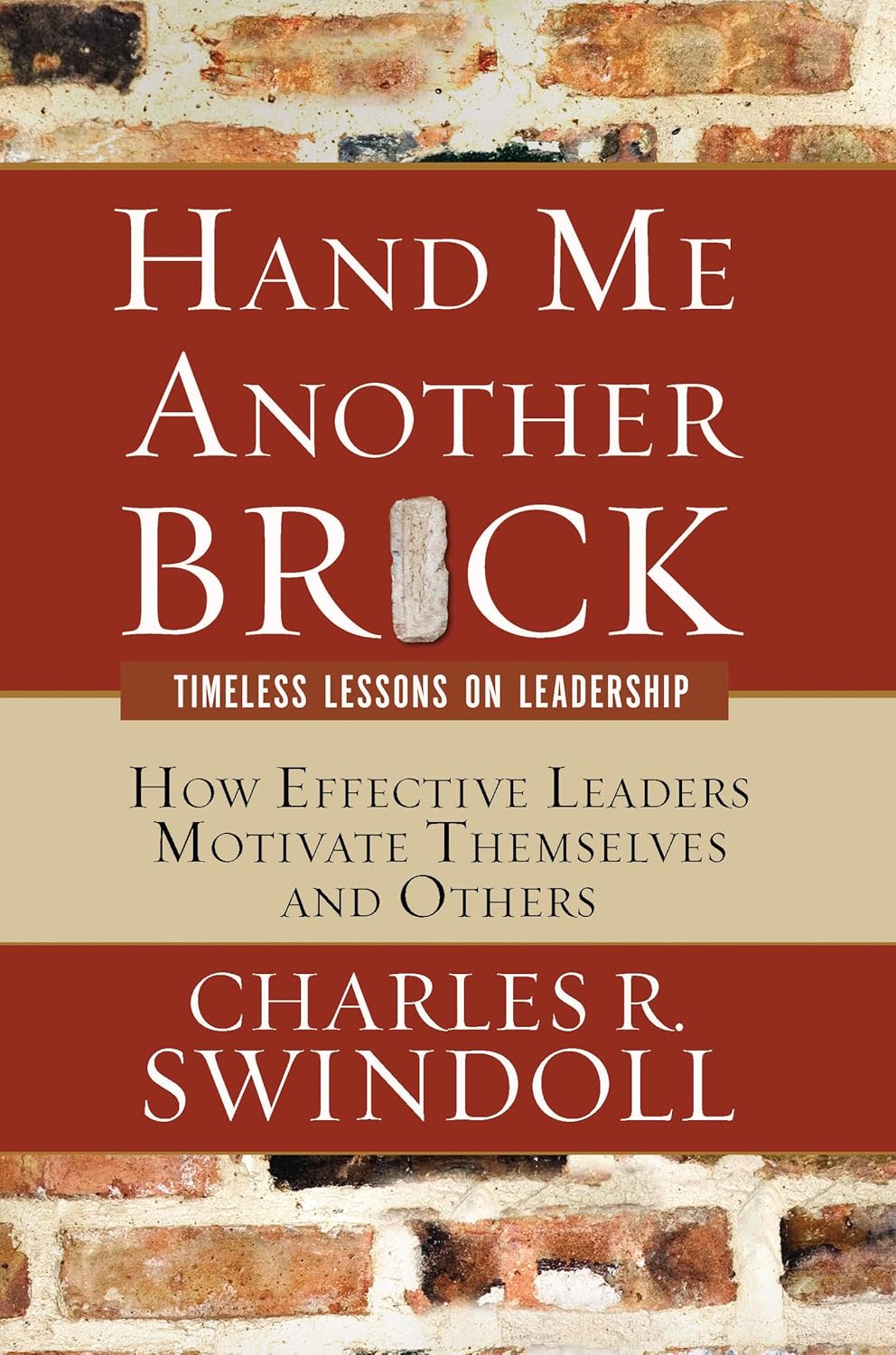
The Start Here page contains links to enrichment experiences and opportunities. I recommend books I’ve read and places I’ve visited that support character and leadership development. More coming!

Filed Under: Personal Growth

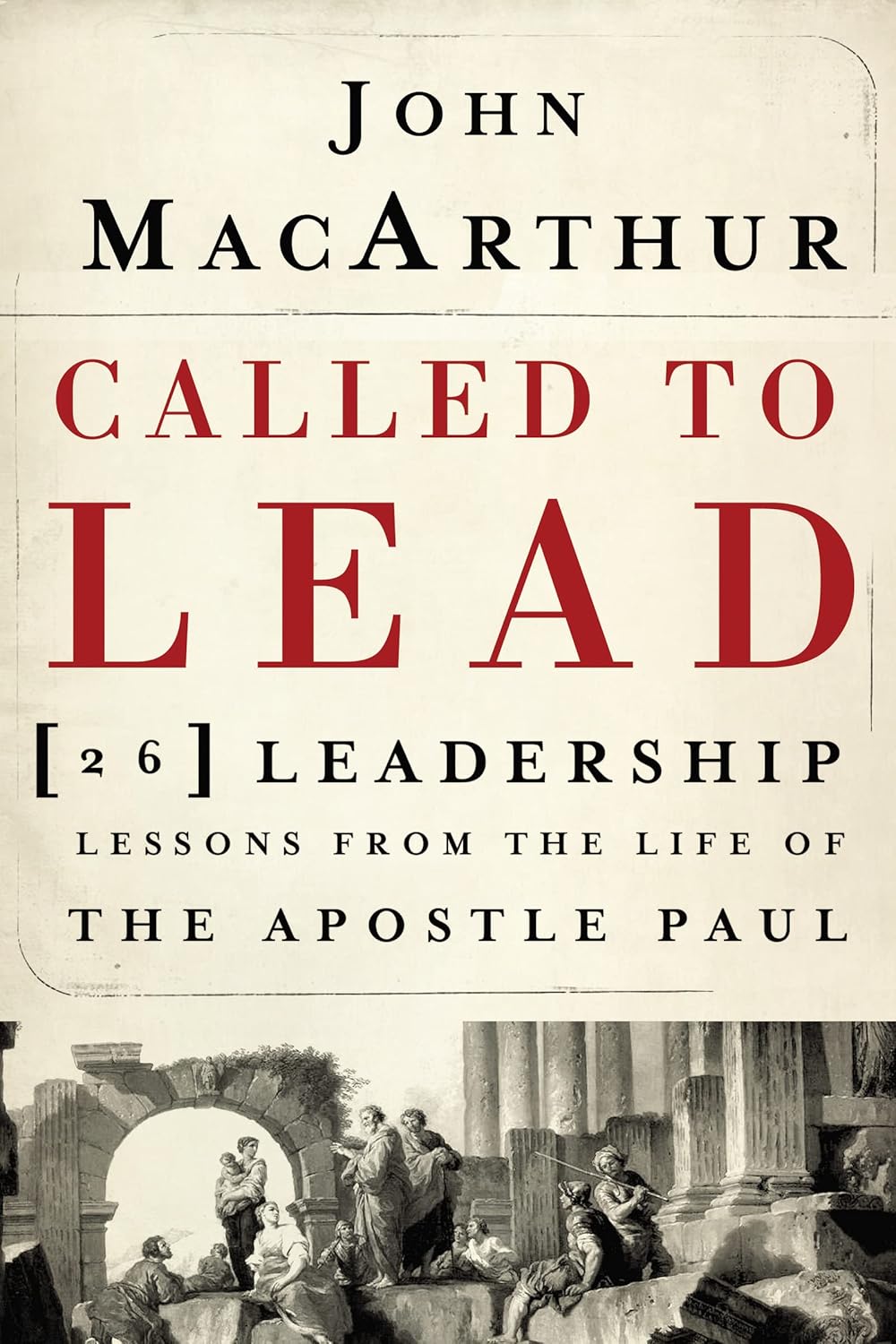
Called to Lead

July 27, 2025 by Daniel Dignan Leave a Comment

John MacArthur, the late pastor of Grace Community Church and chancellor of the Master’s University in California, wrote an excellent book on leadership principles drawn from the lives of St. Paul and Nehemiah.

Paul planted churches across the Roman Empire, wrote much of the New Testament, and is largely responsible for the rise of Christianity in the first century. Nehemiah served as King Artaxerxes’ cupbearer in the 5th century BC. He was a Jewish exile from Israel who received permission to rebuild his city, Jerusalem, which the Babylonians had destroyed in 586.

Fair Use

Called to Lead transports readers to the time and place of Paul and Nehemiah and identifies what’s implied in the Bible about their leadership. The first lesson of leadership is trustworthiness. MacArthur explains how Paul gained trust and influence.

Students will not only gain insight into leadership but also deepen their understanding of the Bible’s meaning and message.

Filed Under: Civic Responsibility, Personal Growth Tagged With: Apostle Paul, Artaxerxes, John MacArthur, Nehemiah, Saint Paul

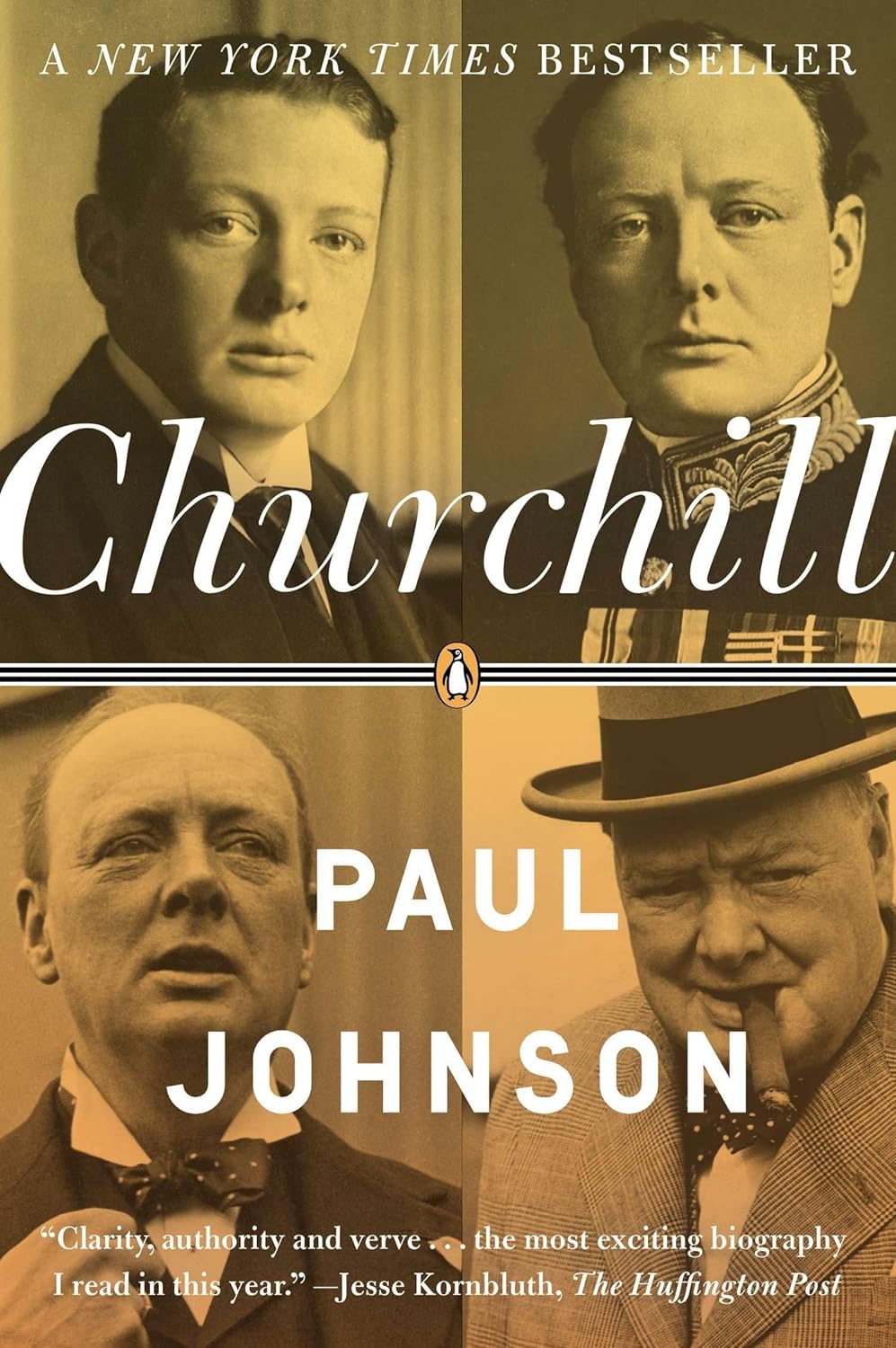
Churchill

July 21, 2025 by Daniel Dignan Leave a Comment

The best leadership development opportunity for a student is finding ways to help others. This can be achieved through coaching, tutoring, counseling, or assisting younger children.

Along the way, an aspiring leader must observe and spend time with leaders. One way to do this is to read about them. Reading great biographies is not only enjoyable, it’s a good use of time. Biographies expand one’s knowledge, vision, and self-awareness. And they introduce one to new worlds, virtues, and opportunities.

In difficult times, one can think back on biographies read for inspiration, motivation, and wisdom.

A high school student can benefit from men, women, missionaries, business leaders, scientists, musicians, preachers, and politicians.

Some leaders, like Winston Churchill, are worth reading over the course of one’s entire life, for their lives offer numerous and profound lessons.

Fair Use

Winston Churchill — war correspondent, war hero, grandson of a Duke, brilliant writer and speaker, member of Parliament, Prime Minister, savior of Western Civilization, gardener, brick layer, painter, historian, husband, and father — is hard to beat.

Over one thousand books have been written about him. The late Paul Johnson’s Churchill is arguably the best short single-volume biography of his life. Superbly written, the book introduces the life and times of a great man who had rare courage.

Filed Under: Civic Responsibility, Personal Growth Tagged With: Paul Johnson, Winston Churchill

Saint Paul in Thessaloniki

July 13, 2025 by Daniel Dignan Leave a Comment

After Philippi, Paul and Silas journeyed south to Thessaloniki (Acts 17:1-10, ESV). Located in the middle of Greece, and on the northwestern part of the Aegean Sea, Thessaloniki was (and is today) significant commercially and culturally. Named after Alexander the Great’s sister, it functioned as an independent city during Paul’s day, but would later become a Roman province.

Thessaloniki was highly valued among empires, changing hands several times. After Roman rule, Byzantium, the Bulgars, the Ottomans, and, starting in 1912, the Greeks ruled the city (Paul).

Paul’s preaching transformed the city, and the church he founded became influential. Though an angry mob forced him to leave, his New Testament letters to the church (1 and 2 Thessalonians) reveal that the church would go on to positively affect all of Greece (1 Thessalonians 1:6-9), and eventually, through the letters, the entire world.

One of the most famous passages in the letters regards the second coming of Christ (a future event), and Paul’s encouragement to Christians to be ready for that day. (1 Thessalonians 4:13-18, 5:1-11).

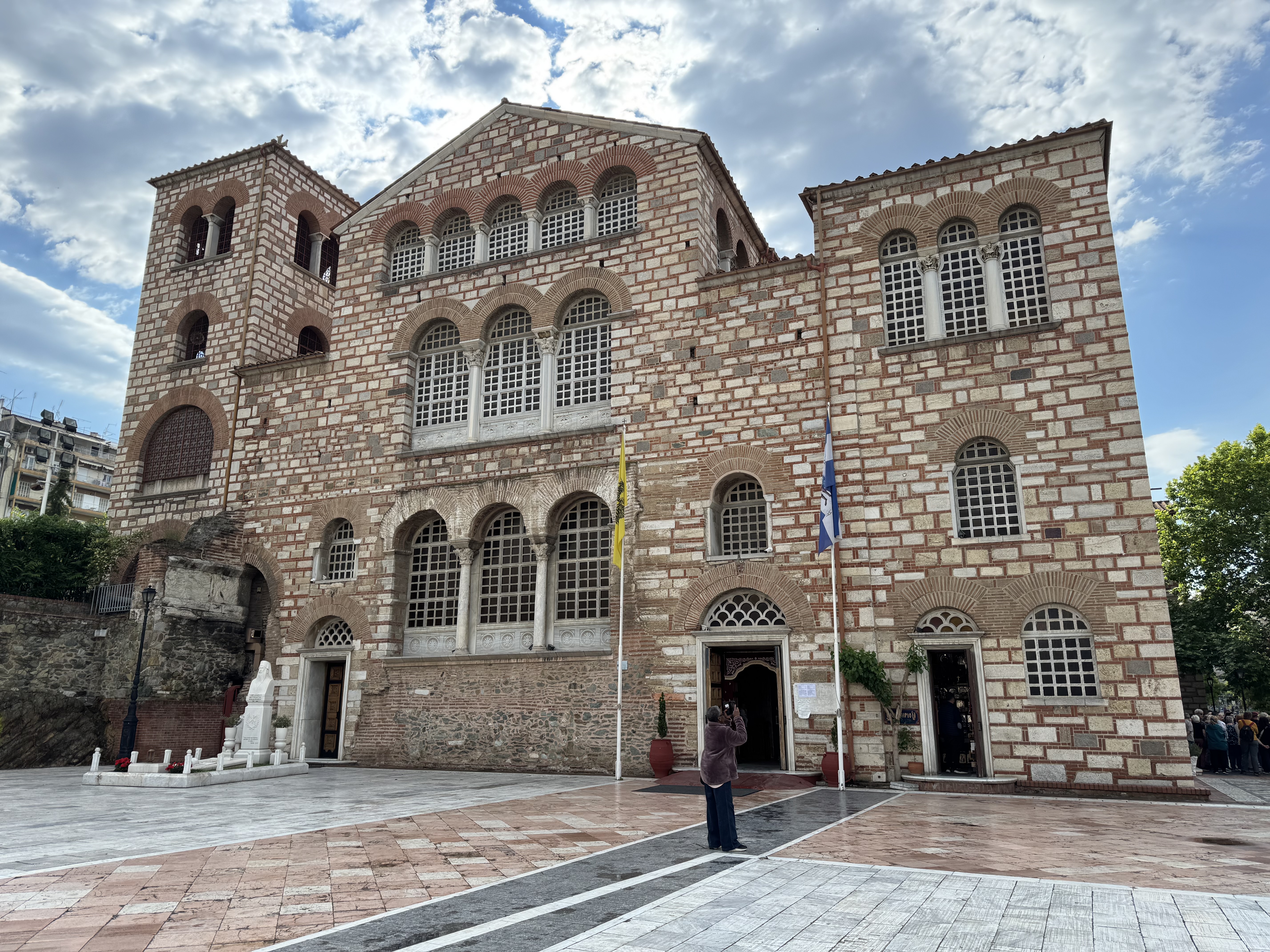
If you ever travel to Thessaloniki, be sure to notice the Roman forum, the medieval walls, and the ancient churches, particularly the fifth-century Basilica of St. Demetrius.

Basilica of St. Demetrius

Filed Under: Personal Growth Tagged With: Apostle Paul, Saint Paul, Thessaloniki

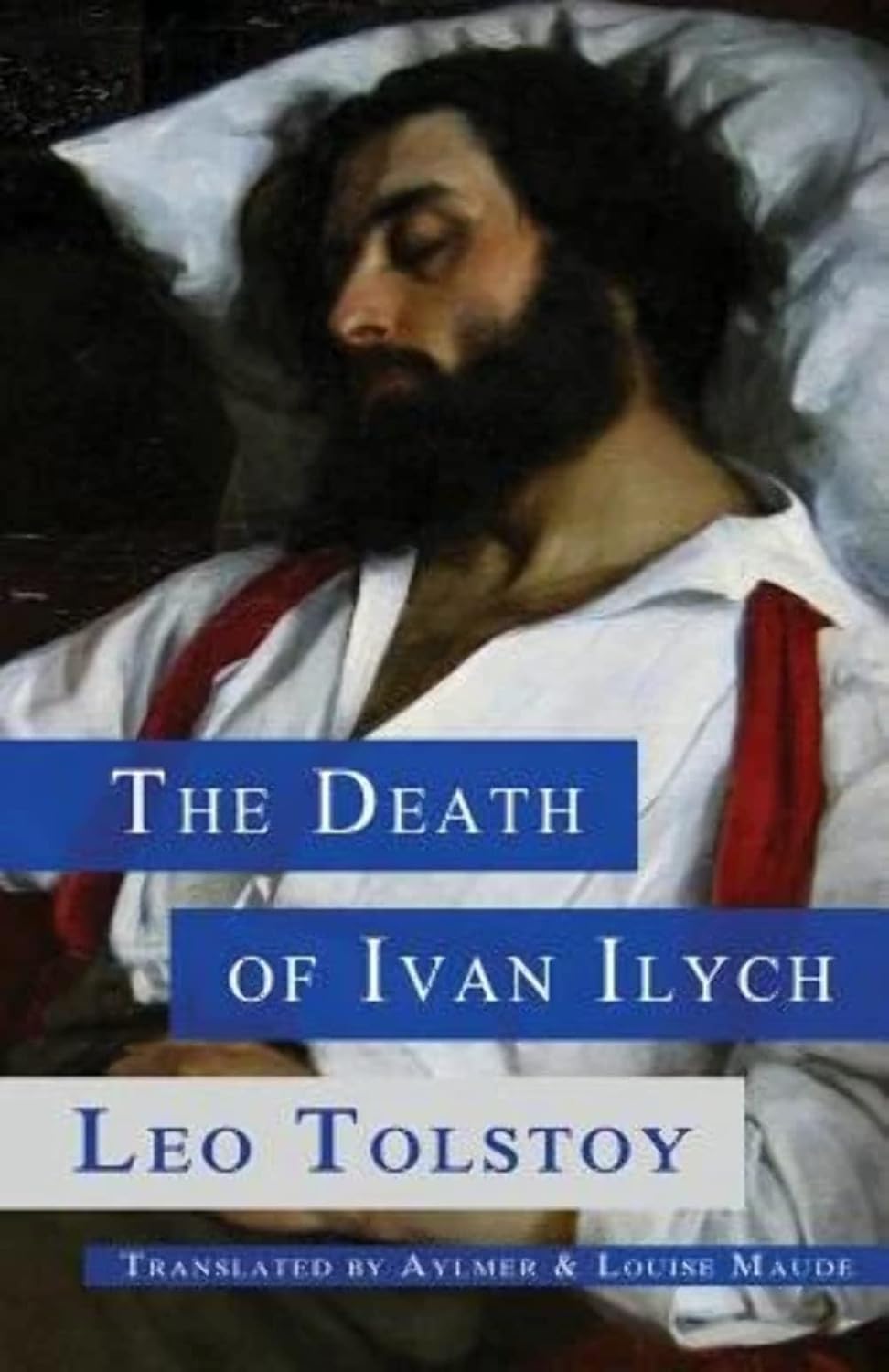
The Death of Ivan Ilych

July 5, 2025 by Daniel Dignan Leave a Comment

A successful middle-aged judge suffered a freak accident and faces a slow, terrible death. His family and friends aren’t much help. His pain, depression, and uncertainty grow.

Memories, including his childhood, ambitions, and career, crowd into his mind. He worries that he has not lived as he should have.

As his physical and mental agonies increase, a young servant boy shows mercy and cares for him. Ivan wonders if things can be made right.

This short story by Leo Tolstoy, regarded as one of the greatest novelists, is a shocking read. It makes one think seriously and question one’s own life: Am I living as I ought to live? Am I deceiving myself? Can what’s wrong be made right before it’s too late?

Literature professor Leland Ryken considers this book one of the best Christian classics of all time. High school students can benefit from the book. It will help them think about what really matters.

Spoiler alert:

Amidst his suffering, Ivan undergoes a radical transformation, dying in hope. His incremental yet sudden change makes sense in light of biblical teachings on regeneration and justification.

Fair Use

Filed Under: Personal Growth Tagged With: Leo Tolstoy, The Death of Ivan Ilych

Tom Brown’s Schooldays

June 29, 2025 by Daniel Dignan Leave a Comment

School has never been easy, but in pre-Victorian England, schools were particularly challenging. Boys learned Latin and ancient Greek, read classical literature, attended chapel, and participated in sports such as cricket and rugby.

English public schools (i.e., private schools) were a primary instrument for helping boys become men through a strict daily regimen, challenging academic expectations, and rough-and-tumble free play. Headmasters and older students maintained order and discipline and were feared.

Rugby School is one of the oldest public boarding schools. Memorialized in the 1857 book Tom Brown’s Schooldays, it shaped the religious, moral, and academic imagination of generations of students.

Fair Use

The book features the famous headmaster, Thomas Arnold, but the author (a former student of the school) follows the life and development of a fictional boy named Tom Brown, who represents a host of young men who benefited from such schools.

Tom Brown began his school days at Rugby as a pre-teen. His father encouraged him to stand against bullies and say his prayers. We see him grow up within the school’s thick culture and social life. He serves the older students, makes friends, and struggles to maintain his honor against a bully, an evil student who, at one point, holds him over a fire.

Tom develops courage, yet he breaks rules, jeopardizing his future at the school. The headmaster shows mercy, believing Brown needs a younger student to look after, if he is to overcome his rebellious ways.

The book offers a behind-the-scenes look at how boys became men in the forge of an Anglican boarding school, where students received a classical education, as well as instruction in the Christian religion and gentlemanly conduct.

Tom Brown became a leader; the story shows how it happened.

Today, parents face a challenge in helping their kids become responsible adults. Smartphones and social media have made a generation of young people anxious and depressed. (This is documented in Jonathan Haidt’s best-selling book.)

Children need parental involvement, real-world experiences (and fewer virtual ones), an education, rigorous Bible instruction, and physical challenges.

Tom Brown’s Schooldays shows what this used to look like, revealing the blessing of academic rigor, high expectations, biblical instruction, and quality friendship. Although Brown experienced dangers and bullies, the hardship and instruction made him a virtuous man.

Filed Under: Personal Growth Tagged With: Tom Brown's Schooldays

Prince Caspian

June 22, 2025 by Daniel Dignan Leave a Comment

After the events of The Lion, the Witch and the Wardrobe, the children are once again called to Narnia—a Narnia that is unrecognizable. They find themselves near an old, deserted castle. A dictator rules Narnia, who has driven the talking animals and dwarfs into hiding, and the old beliefs in Aslan away. But there’s hope.

Fair Use

A young prince named Caspian still believes in the ancient truths of Narnia. His nurse taught him the old stories, and later, a half-dwarf named Cornelius added to his knowledge of old Narnia and taught him the ways of leadership.

Suddenly, everything changes, and his life is in danger. He must flee, but unknown to him, an exciting adventure awaits.

Prince Caspian is about the old beliefs in Aslan, those who believe, and those who want to destroy those beliefs forever. A war looms. One that will test the courage of Caspian and his friends.

C.S. Lewis’s imagination is on full display: dancing trees, festive parties, a violent duel, and a heroic mouse. Surprises are woven through this page-turning story.

I strongly recommend this book to students. Lewis, philosopher and literature scholar, shows the way to the most profound truths about courage, happiness, and freedom.

Filed Under: Civic Responsibility, Personal Growth Tagged With: C.S. Lewis, Prince Caspian, The Chronicles of Narnia

Saint Paul in Philippi

June 18, 2025 by Daniel Dignan Leave a Comment

During Paul’s first missionary journey, he and Barnabas traveled through Cyprus and south-central Asia Minor (modern-day Turkey). Many Jews and Gentiles responded to their message, but others rejected it and persuaded many to turn against Paul. In one city, an angry mob stoned him. Nonetheless, churches were established, and Christian leaders were appointed to carry on the work. (Acts 13 and 14.)

After a major Church Council (Acts 15), Paul began his second journey, traveling west through Asia Minor and returning to the churches he had founded. While in Lystra, Paul and his friend Silas met a young man named Timothy, who became Paul’s protege (Acts 16).

Together they journeyed northwest, where they were prevented from entering Northern Asia Minor (Bithynia). In Troas, of the famed Trojan War, unsure where to go, Paul had a vision:

And a vision appeared to Paul in the night: a man of Macedonia was standing there, urging him and saying, “Come over to Macedonia and help us.” And when Paul had seen the vision, immediately we sought to go on into Macedonia, concluding that God had called us to preach the gospel to them. (Acts 16:9-10, ESV)

They sailed across the northern Aegean Sea, reaching Philippi, in Northern Greece. Philippi was a Roman city named after Philip II of Macedon, the father of Alexander the Great. It is the site of the consequential Battle of Philippi, where Octavian (eventually Caesar Augustus) defeated Brutus. In Paul’s day, the city included a Roman forum, commercial buildings, and a theater. Mountains nearby were mined for gold. And the town had become a retirement destination for Roman soldiers.

The ruins can be seen today. The video below shows the city center.

Nearby, Paul and his team met a woman named Lydia, who sold purple clothing to wealthy leaders. She became the first convert to Christianity in Europe, and her house the site of the first church (Acts 16:11-15).

Soon after, Paul confronted a demon-possessed slave and was imprisoned, where a most extraordinary thing happened:

As we were going to the place of prayer, we were met by a slave girl who had a spirit of divination and brought her owners much gain by fortune-telling. She followed Paul and us, crying out, “These men are servants of the Most High God, who proclaim to you the way of salvation.” And this she kept doing for many days. Paul, having become greatly annoyed, turned and said to the spirit, “I command you in the name of Jesus Christ to come out of her.” And it came out that very hour.

But when her owners saw that their hope of gain was gone, they seized Paul and Silas and dragged them into the marketplace before the rulers. And when they had brought them to the magistrates, they said, “These men are Jews, and they are disturbing our city. They advocate customs that are not lawful for us as Romans to accept or practice.” The crowd joined in attacking them, and the magistrates tore the garments off them and gave orders to beat them with rods. And when they had inflicted many blows upon them, they threw them into prison, ordering the jailer to keep them safely. Having received this order, he put them into the inner prison and fastened their feet in the stocks.

About midnight Paul and Silas were praying and singing hymns to God, and the prisoners were listening to them, and suddenly there was a great earthquake, so that the foundations of the prison were shaken. And immediately all the doors were opened, and everyone’s bonds were unfastened. When the jailer woke and saw that the prison doors were open, he drew his sword and was about to kill himself, supposing that the prisoners had escaped. But Paul cried with a loud voice, “Do not harm yourself, for we are all here.” And the jailer called for lights and rushed in, and trembling with fear he fell down before Paul and Silas. Then he brought them out and said, “Sirs, what must I do to be saved?” And they said, “Believe in the Lord Jesus, and you will be saved, you and your household.” And they spoke the word of the Lord to him and to all who were in his house. And he took them the same hour of the night and washed their wounds; and he was baptized at once, he and all his family. Then he brought them up into his house and set food before them. And he rejoiced along with his entire household that he had believed in God.

But when it was day, the magistrates sent the police, saying, “Let those men go.” And the jailer reported these words to Paul, saying, “The magistrates have sent to let you go. Therefore come out now and go in peace.” But Paul said to them, “They have beaten us publicly, uncondemned, men who are Roman citizens, and have thrown us into prison; and do they now throw us out secretly? No! Let them come themselves and take us out.” The police reported these words to the magistrates, and they were afraid when they heard that they were Roman citizens. So they came and apologized to them. And they took them out and asked them to leave the city. So they went out of the prison and visited Lydia. And when they had seen the brothers, they encouraged them and departed. (Acts 16:16-40, ESV)

Paul’s message was consequential and comprises much of the New Testament of the Bible. He spoke of God’s future judgement, the debt humans owe to God, Christ’s atonement for sin on the cross, and forgiveness and imputation of righteousness by faith in Christ. We are told that some believed it, while others rejected it (Acts 14). In Philippi, after being beaten and put in stocks, Paul’s unusual behavior and the earthquake caught the jailer’s attention, and he and his family became followers of Christ.

When the city officials let Paul go, he did not leave quietly. His rights as a Roman citizen had been violated, and he had been publicly humiliated. He compelled the city leaders to acknowledge this. Roman and Christian convictions of the importance, privileges, and responsibilities of citizenship would go on to impact the modern world.

Filed Under: Personal Growth Tagged With: Philippi, Saint Paul

Greek and Shakespearian Drama

June 14, 2025 by Daniel Dignan Leave a Comment

Classic movies and stories often incorporate elements of either tragedy or comedy. A classic modern tragedy is Gone with the Wind. The main character, Scarlett O’Hara, never learns and doubles down on her destructive behavior. The ending is sad, indeed. Conversely, comedies have happy endings.

What is the point?

Tragedies and comedies help us make sense of human experience. Leland Ryken notes that the exaggerated content encourages wisdom and virtue. A tragedy shocks our sensibilities, causing us to think more deeply about life. A comedy gently nudges us toward what is true, good, and beautiful. It helps us appreciate and love what should be valued.

William Shakespeare’s dramas are entertaining and unforgettable experiences. Some are haunting and serve as warnings to the reader. Who can forget Macbeth’s attempt to cleanse his hands of the blood he shed?

When C.S. Lewis was a child in Ireland during the early 20th century, he would read Shakespeare’s plays for entertainment. One of Lewis’s biographers, Dr. Harry Lee Poe, observed that attending a Shakespearean play was akin to watching a movie today.

If you plan on reading Shakespeare to your kids, read a couple of the best Greek dramas first. They form the foundation of the tradition that Shakespeare built upon. Tragedies like Oedipus Rex (Oedipus the King) and Antigone by Sophocles are the greatest dramas ever written. One commentator noted that the plot of Oedipus Rex might be the best.

Bénigne Gagneraux

The stories are not only gripping and entertaining, but lessons are apparent. (Antigone’s uncle Creon is a parable for power’s corrupting influence and the dangers of pride.)

In closing, Leland Ryken made an invaluable point about the difference between Greek and Shakespearean dramas: the focal point of Greek dramas is fate, while Shakespeare emphasizes human responsibility. In the former, the main characters had no final say in what happened to them; in the latter’s work, it’s as Sir Walter Scott so famously wrote: “Oh what a tangled web we weave….”

Filed Under: Personal Growth Tagged With: Antigone, Leland Ryken, Oedipus, Oedipus Rex, William Shakespeare

Saint Paul’s Heavenly Vision

June 8, 2025 by Daniel Dignan Leave a Comment

Paul, originally Saul of Tarsus (a city in Asia Minor, now modern-day Turkey), is responsible for half of the books in the New Testament (NT) of the Bible. A titanic figure in his day, trained to be a Jewish religious leader by one of the most respected rabbis, a contemporary of Jesus Christ, he became early Christianity’s most aggressive persecutor: “But Saul was ravaging the church, and entering house after house, he dragged off men and women and committed them to prison.” (Acts 8:3, ESV)

Yet in the middle of his efforts to stamp out Christianity, on the road to Damascus, he was dramatically and forever changed by a vision of Jesus Christ.

But Saul, still breathing threats and murder against the disciples of the Lord, went to the high priest and asked him for letters to the synagogues at Damascus, so that if he found any belonging to the Way, men or women, he might bring them bound to Jerusalem. Now as he went on his way, he approached Damascus, and suddenly a light from heaven shone around him. And falling to the ground, he heard a voice saying to him, “Saul, Saul, why are you persecuting me?” And he said, “Who are you, Lord?” And he said, “I am Jesus, whom you are persecuting. But rise and enter the city, and you will be told what you are to do.” The men who were traveling with him stood speechless, hearing the voice but seeing no one. Saul rose from the ground, and although his eyes were opened, he saw nothing. So they led him by the hand and brought him into Damascus. And for three days he was without sight, and neither ate nor drank. (Acts 9:1-9, ESV)

This tectonic event led to the spread of Christianity worldwide, particularly in Europe. Paul would undertake three missionary journeys, possibly four, preaching the gospel of Jesus Christ, planting churches in key cities, and writing letters to the churches that became crucial to the New Testament’s message. This was documented by Luke, Paul’s physician, in the New Testament’s Acts of the Apostles.

Paul describes his early life and conversion in two places: Acts 22 and 26. On the first occasion, his audience was an angry mob that wanted to kill him. The second was before King Agrippa in Caesarea. Paul had become the most consequential person in the world. One whom kings, and eventually Caesar, were compelled to hear.

In Paul’s vision on the Damascus road, Jesus Christ told Paul the following:

But rise and stand upon your feet, for I have appeared to you for this purpose, to appoint you as a servant and witness to the things in which you have seen me and to those in which I will appear to you, delivering you from your people and from the Gentiles—to whom I am sending you to open their eyes, so that they may turn from darkness to light and from the power of Satan to God, that they may receive forgiveness of sins and a place among those who are sanctified by faith in me.’ (Acts 26:16-18, ESV)

This divine purpose continues to affect the world to this day and began to arise in Paul’s missionary journeys.

Filed Under: Personal Growth Tagged With: Acts of the Apostles, Saint Paul

  • « Previous Page
  • 1
  • 2
  • 3
  • 4
  • 5
  • 6
  • …
  • 9
  • Next Page »