
Frank Turek is a Christian apologist, a person who publicly defends the Christian faith. A friend of Charlie Kirk, he very clearly shared the Gospel at Kirk’s memorial service on Sunday.
Remembering Charlie Kirk

If you are within driving distance of Glendale, Arizona, consider attending Charlie Kirk’s public funeral. It will be held at State Farm Stadium, starting at 11 AM tomorrow. Details here. (The event will be livecast.)
The assassination of Charlie Kirk is a national tragedy. His funeral is an opportunity for young people to reflect on the brevity of life, to witness family and leaders honor a life well lived, and to consider how they want to steward the freedoms, opportunities, and time they’ve been given.
It is better to go to the house of mourning than to go to the house of feasting, for this is the end of all mankind, and the living will lay it to heart. (Ecclesiastes 7:2, ESV)
Remember also your Creator in the days of your youth, before the evil days come and the years draw near of which you will say, “I have no pleasure in them”… (12:1, ESV)
Photo by Troutfarm27, CC BY-SA 4.0, via Wikimedia Commons
Introducing Fill The Stage Book Club

One of the most important things a student can gain a love for is reading books. One way to encourage this is by reading a book together. A great deal is achieved by joint reading and discussing great books; at the very least, it is really enjoyable.
I am a big fan of C.S. Lewis and his writings. His books for young students, The Chronicles of Narnia, are hard to beat. A few of my middle school students and I have been reading these books in an online book club.
If you know a middle school student who would enjoy reading The Chronicles of Narnia and discussing it with peers, see our book club page for details.
An Interview about Reading Heroic Literature
I interviewed David Morton, pastor, musician, and an avid reader of heroic literature. We discussed examples, the value of reading heroic literature, and how to read it for maximum benefit.
Hand Me Another Brick

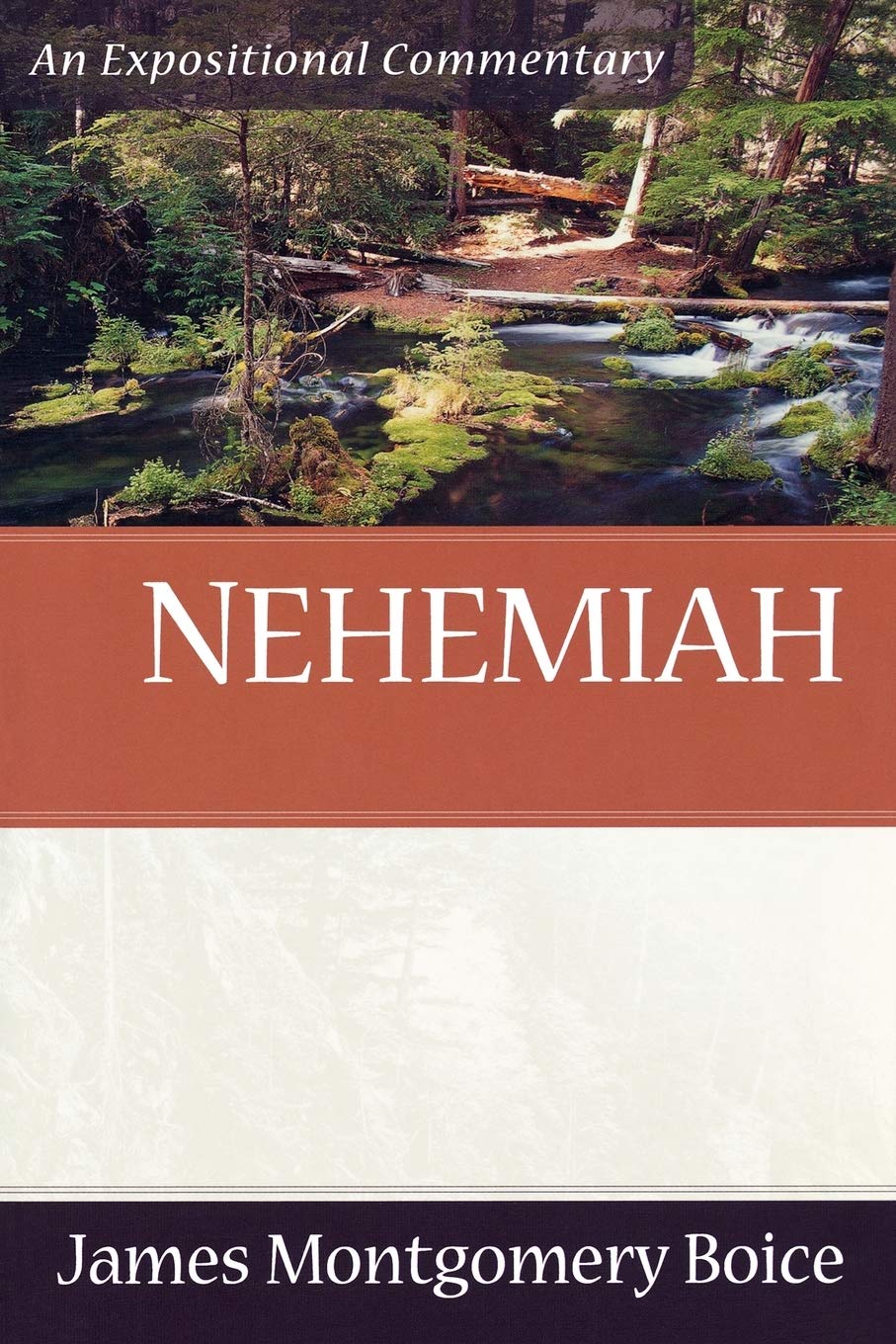
That man is Nehemiah, a Jewish official who served Artaxerxes, the Persian king, in the 5th century BC. At that time, Persia was the world’s superpower, having recently (under Cyrus the Great) defeated the Babylonian Empire.*
One day, Nehemiah received a report that Jerusalem was in dire straits. Nehemiah reveals that he prayed, planned, and persuaded the king to permit him to rebuild Jerusalem.
As the leader of a great project and eventually Judah’s governor, he faced many problems and dangers. He dealt with enemies and intimidation. And he handled promotion, success, and the temptations that high office and power introduce. He became a trusted leader and revived his nation.
I recommend this book to students interested in leadership and character development.
Charles Swindoll is a well-known Bible teacher and author. He helps readers identify the leadership lessons of Nehemiah and apply them to their own lives.
(*In 597 and 586 BC, the Babylonian Empire defeated, destroyed, and enslaved Judah and Jerusalem. (Nehemiah was likely a descendant of one of the Jewish captives.) In 538 BC, Cyrus decreed that the Jews could return. But things had not gone in Jerusalem.)
1 Samuel for You
This book is a chapter-by-chapter guide to Samuel. The author delves deeply into the literary and theological details, revealing great practical lessons in character and leadership.

Samuel is an epic in the Old Testament of the Bible that describes ancient Israel about 1,000 years before Christ. It’s a story about the rise and fall of the house of Saul, Israel’s first king, and the fall and rise of David, who defeated a giant named Goliath.
Samuel is a gateway to the Bible’s overarching story, helping learners understand the Bible as a whole. The guide Samuel For You is a great aid in understanding this.
By reading this book, young leaders will learn the following:
- How friendships are made and lost
- How to handle difficulties
- How one of the greatest leaders led and treated those around him
- How to become a happy person
- Knowledge of the Bible’s story and message
Beowulf
Beowulf, a Scandinavian warrior, fights a monster named Grendel, then Grendel’s mother, and finally, years later, a fire-breathing dragon. Winning great honor, he eventually became a king and a bulwark of his people.
An ancient and renowned tale, Beowulf is over 1,000 years old and was originally written in Anglo-Saxon, or Old English. This translation is regarded as one of the finest—poetic, epic, and gripping. About 100 pages; it’s a quick read and hard to put down.
The unknown author offers a glimpse into the ancient heroic age of the Germanic peoples, who migrated to England and Denmark. They lived by the warrior code and sought glory through warfare. The author also offers a glimpse of Christianity’s influence.

Some of the great literary minds studied the tale. J.R.R. Tolkien, the author of The Lord of the Rings, translated Beowulf and taught it for decades, writing a commentary. (I have not read it.) According to Joseph Loconte’s book The War for Middle Earth, it was a major influence on his writings.
Beowulf demonstrated great courage in his confrontation with pure evil. There are thrilling moments, happy seasons; however, a perceptive observer noted that the book begins and ends with a funeral, revealing that the world is not enough.
The epic tale is one I recommend to young people for its entertainment value and its clear example of a good, strong hero confronting evil characters (including a dragon). It forces the reader to think seriously about the need for courage, the importance of moral and physical preparation, and life after death.
In this translation, you can see the Old English on the left-facing pages; modern English is on the right.
Start Here

The Start Here page contains links to enrichment experiences and opportunities. I recommend books I’ve read and places I’ve visited that support character and leadership development. More coming!
Called to Lead
John MacArthur, the late pastor of Grace Community Church and chancellor of the Master’s University in California, wrote an excellent book on leadership principles drawn from the lives of St. Paul and Nehemiah.
Paul planted churches across the Roman Empire, wrote much of the New Testament, and is largely responsible for the rise of Christianity in the first century. Nehemiah served as King Artaxerxes’ cupbearer in the 5th century BC. He was a Jewish exile from Israel who received permission to rebuild his city, Jerusalem, which the Babylonians had destroyed in 586.
Called to Lead transports readers to the time and place of Paul and Nehemiah and identifies what’s implied in the Bible about their leadership. The first lesson of leadership is trustworthiness. MacArthur explains how Paul gained trust and influence.
Students will not only gain insight into leadership but also deepen their understanding of the Bible’s meaning and message.
Churchill
The best leadership development opportunity for a student is finding ways to help others. This can be achieved through coaching, tutoring, counseling, or assisting younger children.
Along the way, an aspiring leader must observe and spend time with leaders. One way to do this is to read about them. Reading great biographies is not only enjoyable, it’s a good use of time. Biographies expand one’s knowledge, vision, and self-awareness. And they introduce one to new worlds, virtues, and opportunities.
In difficult times, one can think back on biographies read for inspiration, motivation, and wisdom.
A high school student can benefit from men, women, missionaries, business leaders, scientists, musicians, preachers, and politicians.
Some leaders, like Winston Churchill, are worth reading over the course of one’s entire life, for their lives offer numerous and profound lessons.
Winston Churchill — war correspondent, war hero, grandson of a Duke, brilliant writer and speaker, member of Parliament, Prime Minister, savior of Western Civilization, gardener, brick layer, painter, historian, husband, and father — is hard to beat.
Over one thousand books have been written about him. The late Paul Johnson’s Churchill is arguably the best short single-volume biography of his life. Superbly written, the book introduces the life and times of a great man who had rare courage.
- « Previous Page
- 1
- …
- 3
- 4
- 5
- 6
- 7
- …
- 11
- Next Page »