
Fill the Stage

Daniel Dignan

Fill The Stage

Helping students live well

new / index / about

YouTube


terms / privacy

Subscribe via Email

Washington’s First Annual Address to Congress

August 31, 2026 by Daniel Dignan Leave a Comment

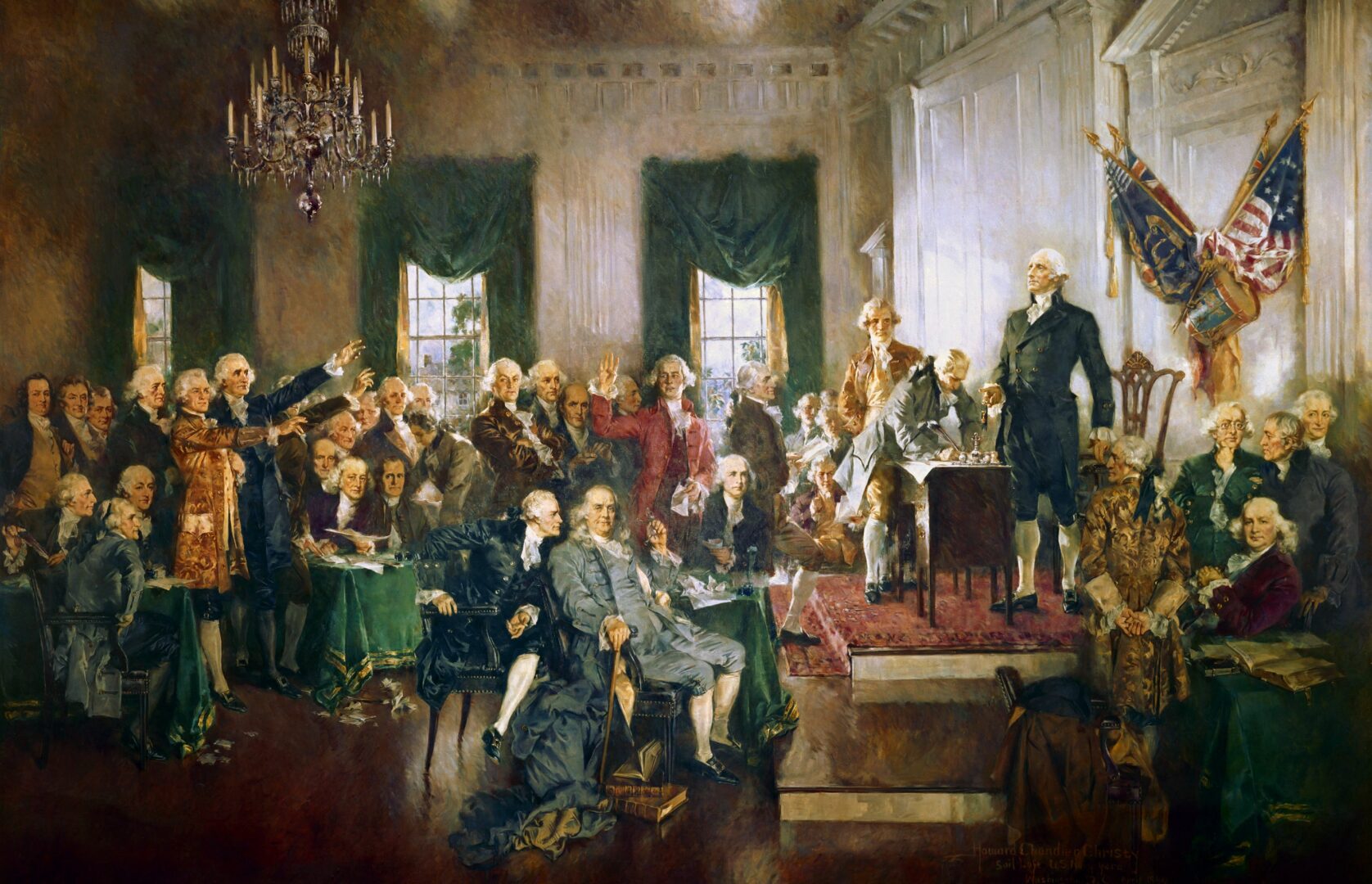
Scene at the Signing of the Constitution of the United States by Christy

After decades of colonial rule under Parliament and the British Crown, the thirteen states ratified the Articles of Confederation during the American War for Independence, which served as America’s first constitution. Ultimately, the Articles were insufficient to provide for unity and the necessary executive power to lead the nation.

Aware of the Articles’ limitations yet cautious of centralized power, America’s Founding Fathers debated and wrote a Constitution that established executive authority. After ratification by 9 states, the US Constitution became the supreme law of the United States in 1788. Shortly after, in February 1789, the states elected George Washington as the first president.

Washington knew that his words and actions would guide future presidential interaction with Congress. Thus, he carefully crafted his First Annual Address to Congress, delivered in January of 1790, showing due respect for Congress’ constitutional authority while also rising to the occasion as chief executive to recommend legislation for the country’s welfare.

By reading Washington’s address, one can see his respect for Congress, his priorities, and his leadership. He prudently and directly addressed particular necessities under debate, such as the need for a standing army, immigration policy, trade standards, and the promotion of literature and science education.

This article provides an overview of his method. This page contains his address. Here is a picture of his hand-written address.
Filed Under: Civic Responsibility Tagged With: George Washington, US Constitution

Washington’s First Inaugural Address

August 27, 2026 by Daniel Dignan Leave a Comment

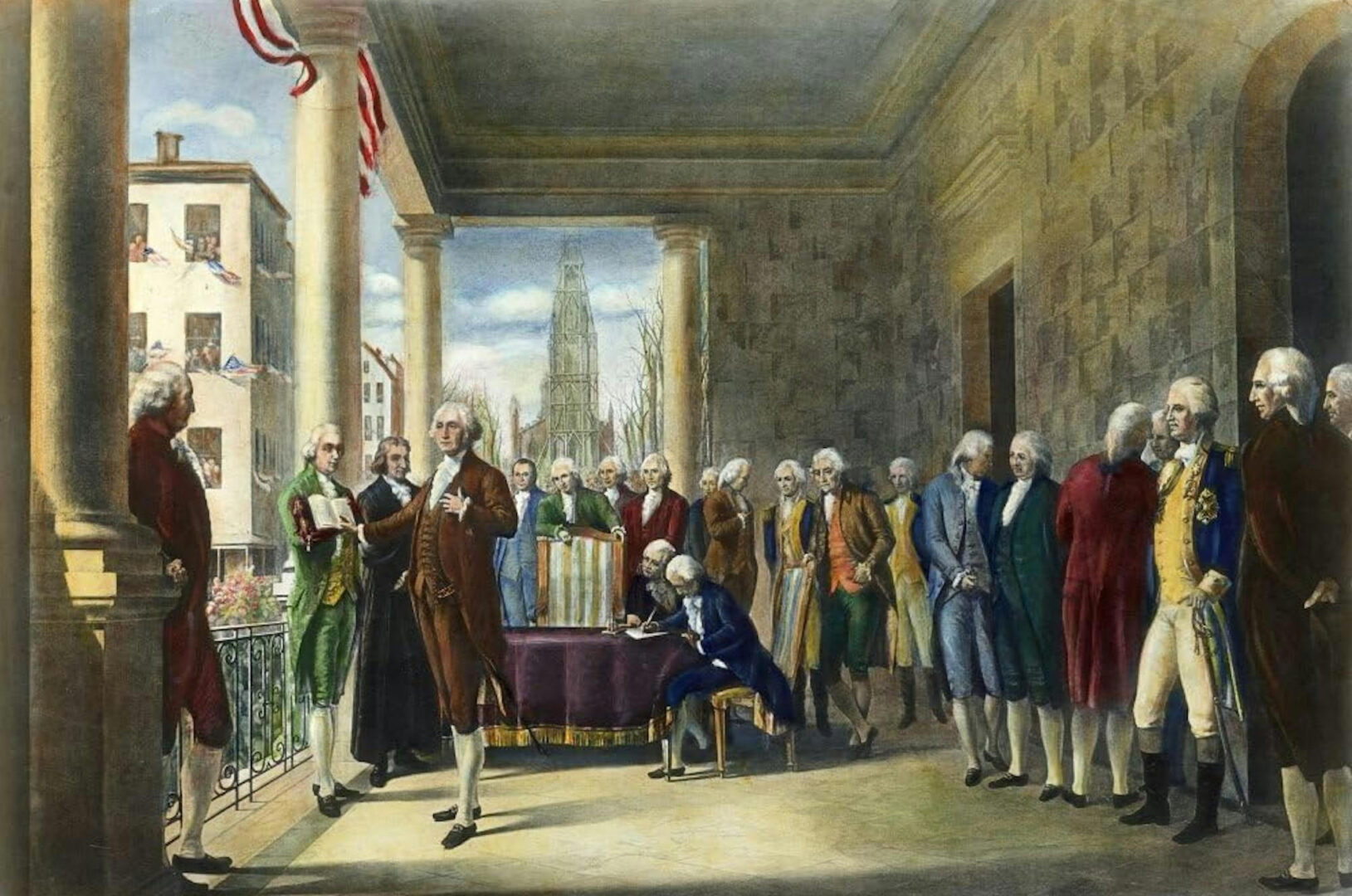
President George Washington’s first official address to the United States is fascinating for its subject and focus. Of particular note is Washington’s reference to Providence, or God’s care, guidance, and management of the young nation’s affairs.

“…it would be peculiarly improper to omit in this first official Act, my fervent supplications to that Almighty Being who rules over the Universe, who presides in the Councils of Nations, and whose providential aids can supply every human defect, that his benediction may consecrate to the liberties and happiness of the People of the United States, a Government instituted by themselves for these essential purposes: and may enable every instrument employed in its administration, to execute with success, the functions allotted to his charge.”

“No People can be bound to acknowledge and adore the invisible hand, which conducts the Affairs of men more than the People of the United States. Every step, by which they have advanced to the character of an independent nation, seems to have been distinguished by some token of providential agency. And in the important revolution just accomplished in the system of their United Government, the tranquil deliberations, and voluntary consent of so many distinct communities, from which the event has resulted, cannot be compared with the means by which most Governments have been established, without some return of pious gratitude along with an humble anticipation of the future blessings which the past seem to presage. These reflections, arising out of the present crisis, have forced themselves too strongly on my mind to be suppressed.“

The address is brief and worth reading.

Lastly, this video reveals the extent to which America’s founders recognized Providence in America’s founding and rise, and where things stand today.

Filed Under: Civic Responsibility Tagged With: First Inaugural Address, George Washington

George Washington’s Newburgh Address

August 22, 2026 by Daniel Dignan Leave a Comment

At the end of the American War for Independence, Continental soldiers and officers nearly mutinied against General George Washington and Congress. For eight years, Congress had been unable to adequately provide provisions and pay, and the men feared they would never be paid. However, if the military rebelled, Washington knew it would risk their victory, tarnish their country’s reputation, and subvert their hard-won liberty under military tyranny. So Washington announced what James Thomas Flexner (his great biographer) considered to be the most important meeting ever called in American history.

In 1783, near the Continental military headquarters in Newburgh, New York, Washington delivered an address to a room full of his officers. He communicated the danger and consequences of mutiny, the need to maintain dignity and honor, and encouraged them to trust that their country and leaders would repay their sacrifice.

Then, in conclusion, Washington did and said something that shocked his officers, turning them away from certain doom and making them repent of their rebellion.

Read Washington’s Newburgh Address here and learn what happened. (It’s a five-to-eight-minute read.)

Filed Under: Civic Responsibility Tagged With: George Washington, Newburgh Address

George Washington’s Farewell Address

August 20, 2026 by Daniel Dignan Leave a Comment

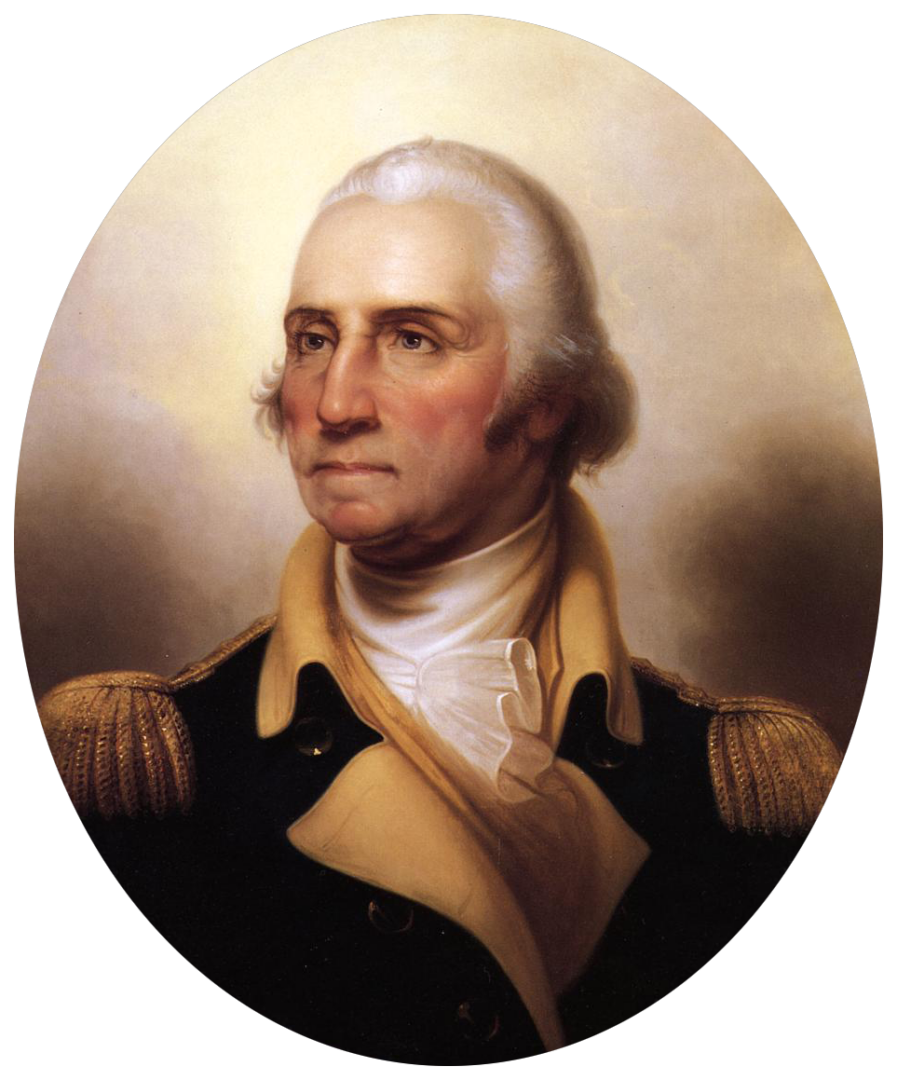
Essential to the founding and rise of the United States, George Washington became known as the “Father of His Country.” Toward the end of his presidency in 1796, Washington published a farewell address, offering his gratitude and counsel to the people he served. It’s considered one of the greatest addresses in American history and is still read aloud in Congress.

President Washington warned of political factions and foreign entanglements. He encouraged religion and morality, calling them “indispensable supports” of “political prosperity” and “pillars of human happiness.” And he cautioned against the notion that morality could be enjoyed without religion.

The address is worthy of several reads.

House of Representatives reading:

Senate reading:

Filed Under: Civic Responsibility Tagged With: Farewell Address, George Washington

George Washington’s Speeches

August 13, 2026 by Daniel Dignan Leave a Comment

George Washington’s best speeches are a must-read for students interested in identifying their duty to their neighbors and country.

Hillsdale College provides a short summary of five of Washington’s greatest speeches.

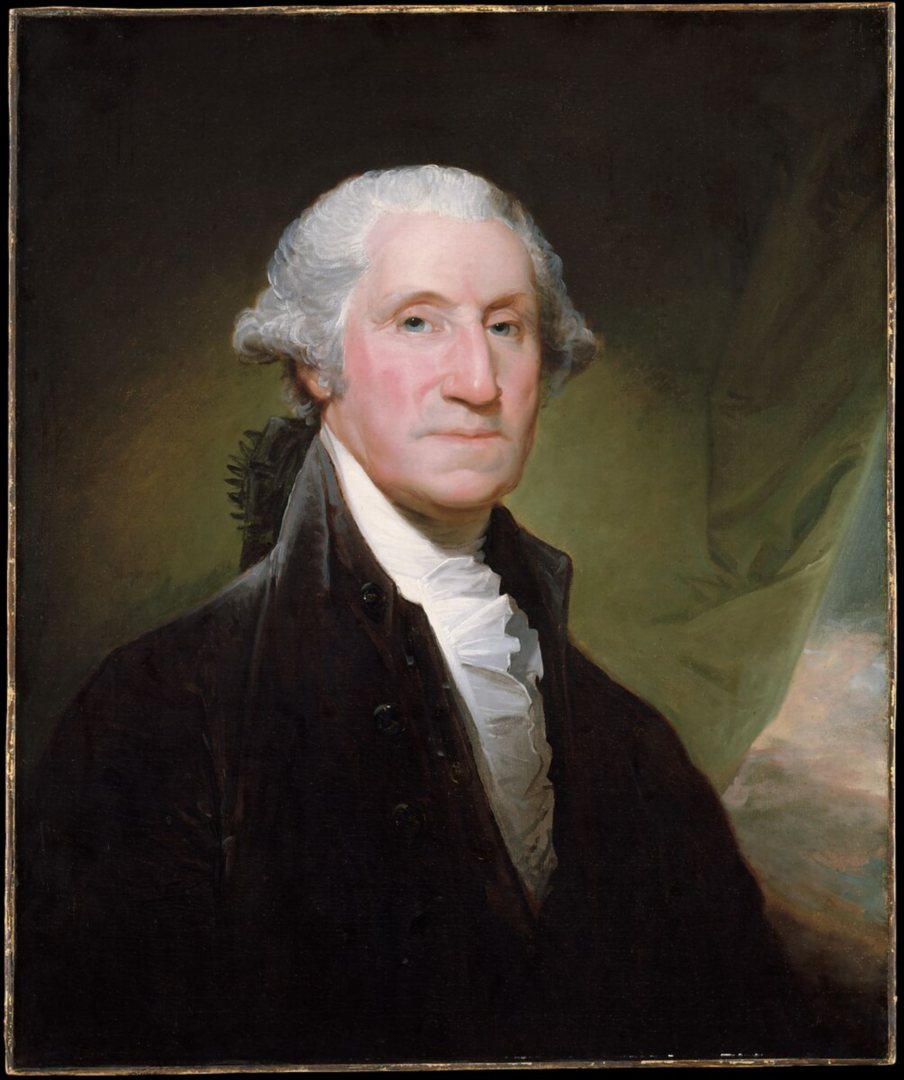
George Washington, 1795, by Gilbert Stuart

Filed Under: Civic Responsibility Tagged With: George Washington, speeches

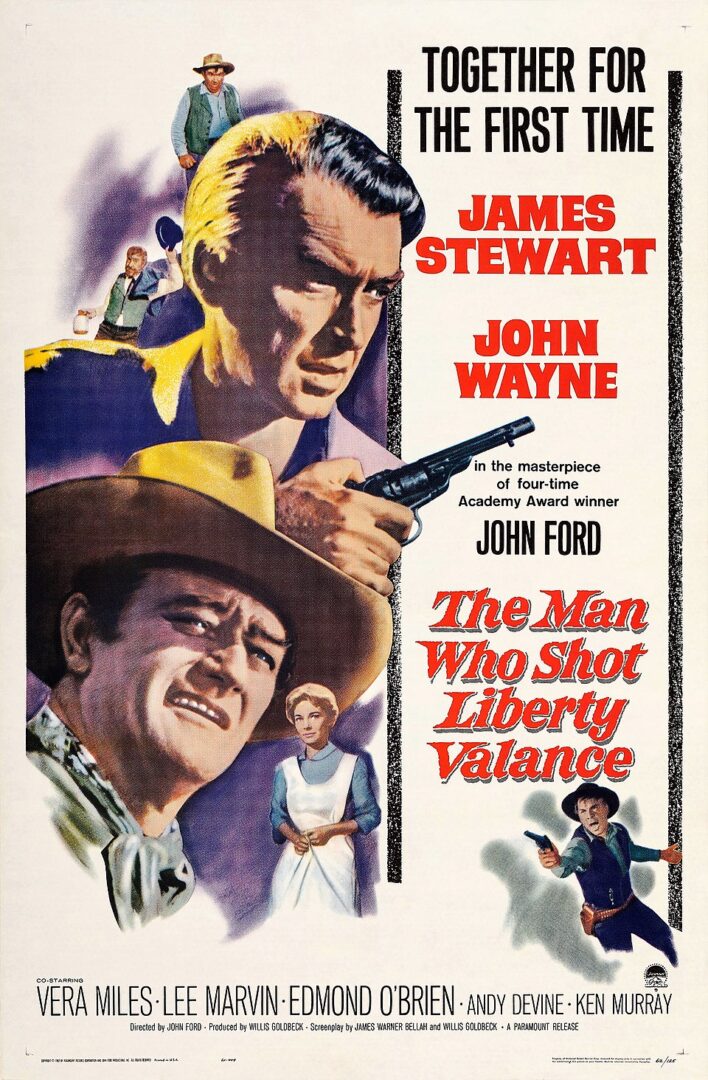
The Man Who Shot Liberty Valance

June 29, 2026 by Daniel Dignan Leave a Comment

A classic Western that entertains and alludes to timeless ideas that have deeply influenced Western civilization. The movie is about the accomplishment of ordered liberty and the humanities over anarchy and chaos. It captures education’s role in America’s experiment in self-government.

Ransom “Ranse” Stoddard (Jimmy Stewart), a lawyer, symbolizes civilization and full humanity. He is confronted by Liberty Valance (Lee Marvin), the brutish agent of chaos, who endeavors to kill him. Force is needed for civilization to rise; Tom Doniphon (John Wayne) is that force and plays a critical role, but eventually takes a back seat to civilization’s higher good.

Lastly, the cardinal virtues of prudence, temperance, courage, and justice are on display in beautiful ways.

Highly recommend for middle and high school students.

Filed Under: Civic Responsibility Tagged With: Jimmy Stewart, John Wayne, The Man Who Shot Liberty Valance, Western

Declaration of Independence

June 26, 2026 by Daniel Dignan Leave a Comment

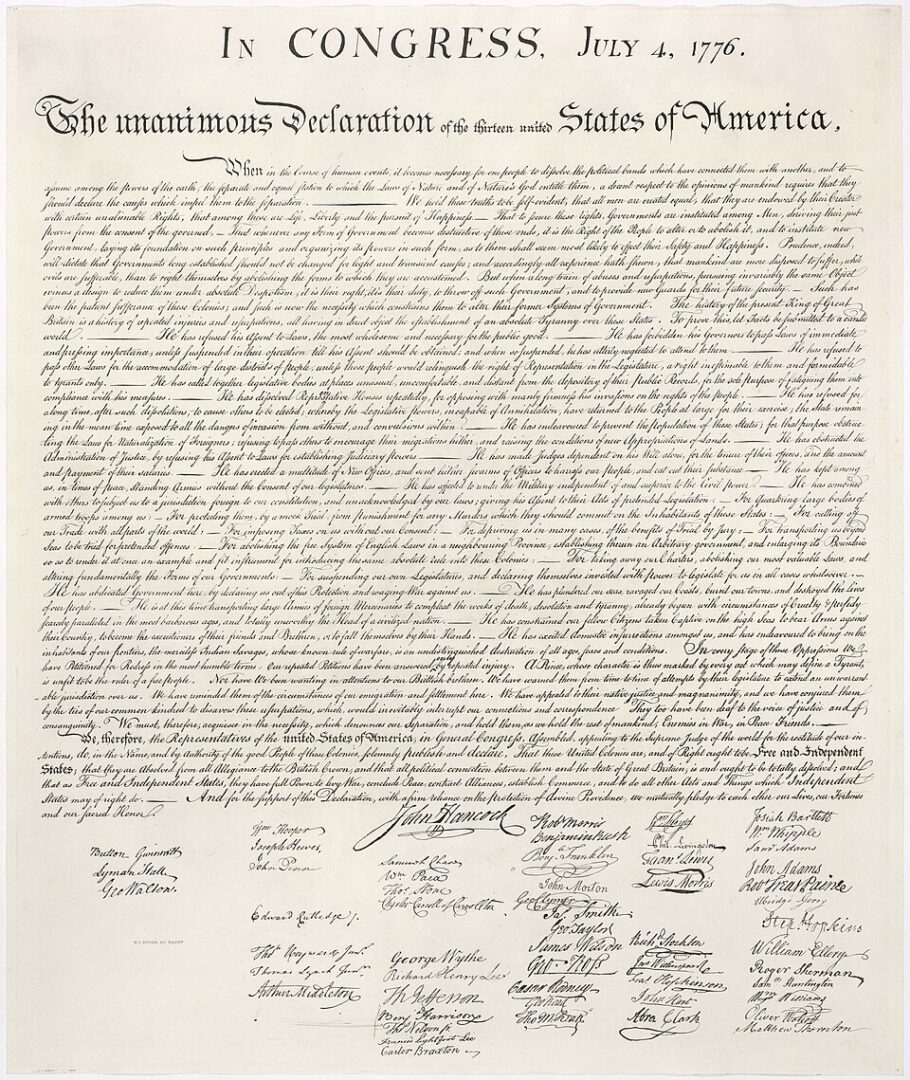
In “A Revolution for All Mankind”, Princeton historian Allen Guelzo reveals the global impact of the U.S. Declaration of Independence and the social and political paradigm shift behind its most famous line:

We hold these truths to be self-evident, that all men are created equal, that they are endowed by their Creator with certain unalienable Rights, that among these are Life, Liberty and the pursuit of Happiness.

Guelzo’s article is a fascinating read and recommended for middle and high school students.

Filed Under: Civic Responsibility Tagged With: The Declaration of Independence, United States

Justice Clarence Thomas Speech on Declaration of Independence

May 15, 2026 by Daniel Dignan Leave a Comment

As we near America’s 250th birthday, I recommend this speech to your high school and middle school students.

Filed Under: Civic Responsibility Tagged With: Declaration of Independence, Justice Clarence Thomas, The University of Texas at Austin

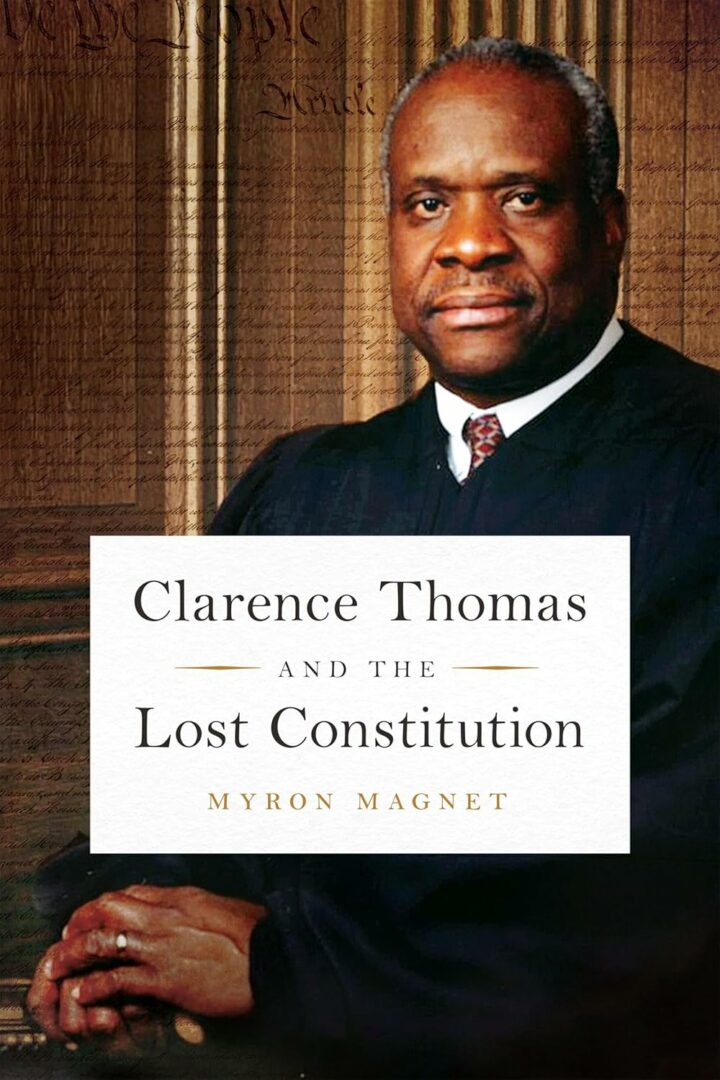
Clarence Thomas And The Lost Constitution

May 14, 2026 by Daniel Dignan Leave a Comment

Award-winning historian Myron Magnet tells the story of Justice Clarence Thomas’ upbringing, intellectual journey, and judicial philosophy. Raised by his grandparents, Thomas rose from crushing poverty, segregation, oppression, and political radicalism to become one of America’s greatest and most consequential legal minds.

After reading this book, your student will have a better understanding of America’s founding ideals, the historical and judicial shifts that fundamentally changed America’s constitutional system, and Thomas’ efforts to restore America’s original constitutional worldview that protects God-given natural rights and promotes individual responsibility and prosperity.

This was truly a fascinating, moving, and enlightening read.

Filed Under: Civic Responsibility Tagged With: Justice Clarence Thomas, Myron Magnet, U.S. Constitution

US House Speaker Speaks at Parliament

January 25, 2026 by Daniel Dignan Leave a Comment

The US House Speaker is a Constitutionally mandated office, second in line to the American President. Mike Johnson became the first Speaker to address the British Parliament. He spoke about the theological and civic principles that formed Western Civilization.

Filed Under: Civic Responsibility Tagged With: Britain, Mike Johnson, Parliament, US House Speaker

  • 1
  • 2
  • 3
  • Next Page »