
Fill the Stage

Daniel Dignan

Fill The Stage

Helping students live well

start / index / about

YouTube
book club

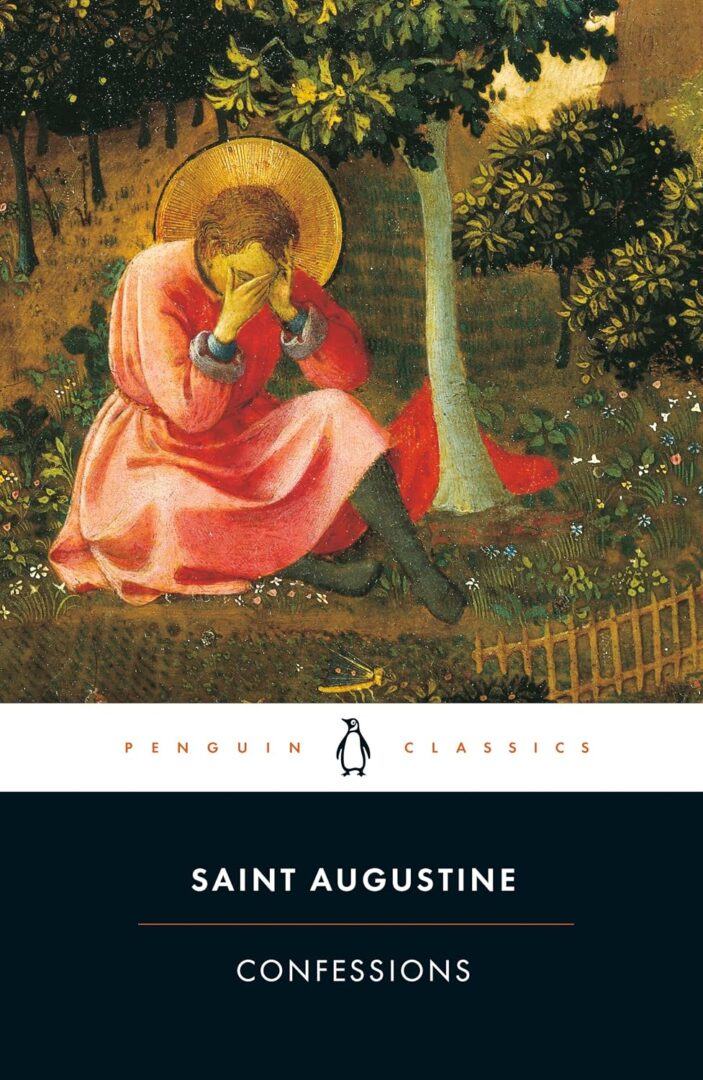
Confessions

October 26, 2026 by Daniel Dignan Leave a Comment

Except for the writers of the New Testament, Augustine of Hippo, Algeria (a.k.a. Saint Augustine), is the most influential church father. His theological-philosophical writings, second to the Bible, shaped Christendom and the West for centuries.

Born in Algeria in 354 AD, Augustine became a professor of rhetoric, teaching ambitious young men how to argue in the Roman law courts. He became a Manichean, and lived a carnal lifestyle, but grew intellectually dissatisfied and spiritually unfulfilled with his religion and life. Through the Christian influence of his mother Monica, and Ambrose, the influential bishop of Milan, he converted to Christianity after reading a Bible passage in a garden.

In his breathtaking spiritual autobiography Confessions, Augustine explained and confessed his early thoughts and sins, revealing the intellectual shifts and divine intervention that led to his Christian faith and conversion. He famously prayed “…you made us for yourself and our hearts find no peace until they rest in you.”

Lastly, after the Visigoths sacked Rome, Augustine wrote The City of God, which contended for the truth, benefits, and happiness of Christian teaching and God’s coming city.

Confessions is a must read for high school students. Strong 8th-grade readers could also benefit, but recommend they focus on the first half of the book.
Filed Under: Personal Growth Tagged With: Augustine of Hippo, Confessions, Saint Augustine

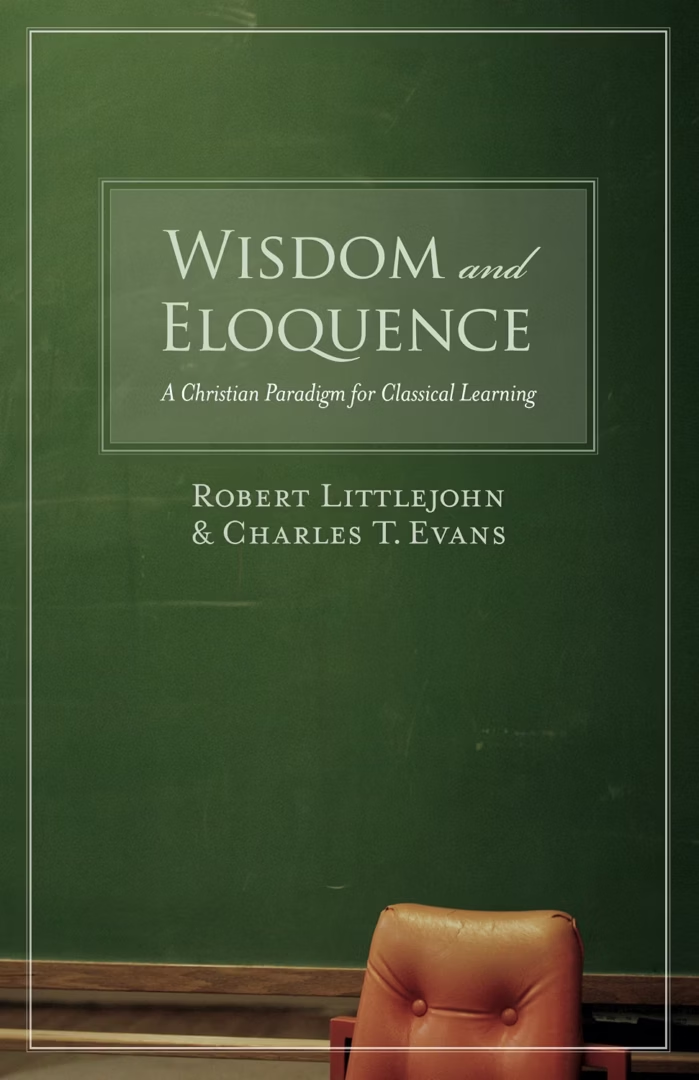
Wisdom and Eloquence

September 21, 2026 by Daniel Dignan Leave a Comment

This wonderful book helps Christian educators and parents understand the original purpose of liberal arts education and how it ought to be practiced in light of classical and Christian teaching for the good of students and society.

Education, in the classical sense, sought to prepare individuals for lifelong and “self-directed learning” (p. 29). Greek and Roman educators sought to produce wise, eloquent future leaders who would benefit the city and society.

The authors are classical educators; their thesis is that the trivium (i.e., grammar, logic, and rhetoric), the primary building blocks of classical education, must be taught from day one and throughout a child’s education. This includes the quadrivium, or the mathematical arts.

They also recommend that teachers and homeschooling parents educate their students by keeping the end in mind. This means setting out what a student should know and be able to do by grade 12 and working backward.

The book summarizes what the parts of the trivium (language arts) and the quadrivium (mathematical arts) entail and require. It summarizes classical subjects and curriculum, though not in step-by-step detail.

Appendix B, “The Liberal Arts Tradition in the Public Square: A Historical Apologetic for the Liberal Arts,” was outstanding. It offers a brief history of classical education, focusing on the ancient debate regarding the use and value of rhetoric versus philosophy. Most importantly, it explores Augustine of Hippo’s thoughts on rhetoric for Christian education and ministry. In short, truth and wisdom surpass eloquence, though practical eloquence is essential for helping Christians grow.

Filed Under: Personal Growth Tagged With: Augustine of Hippo, Classical education, Plato