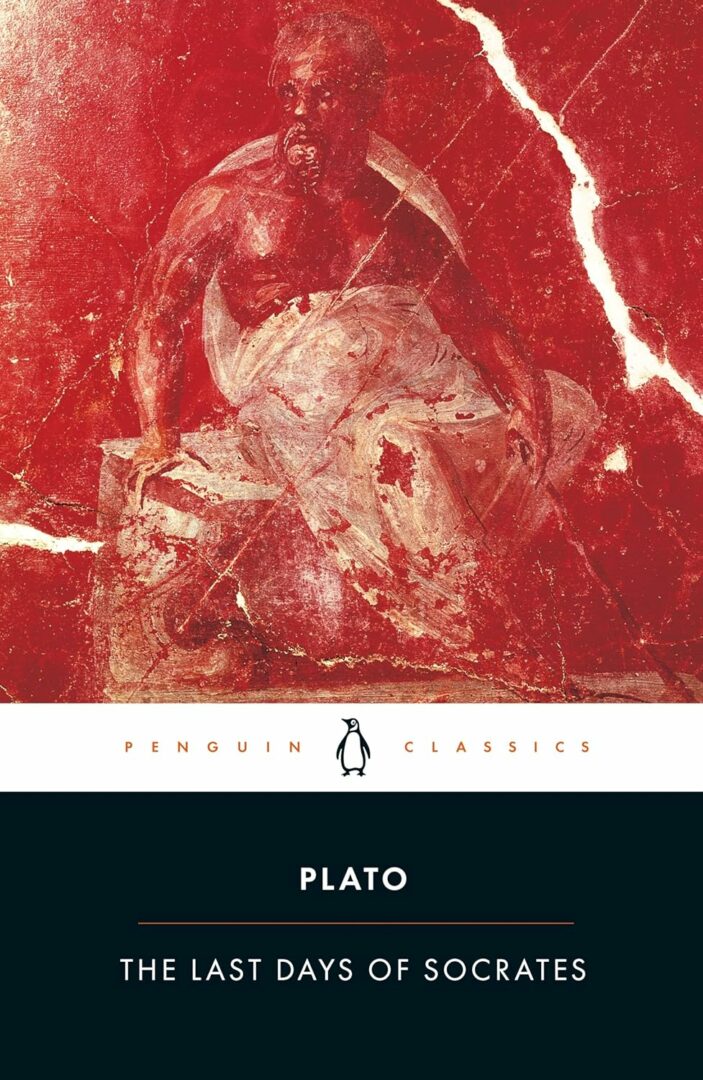

Crito follows the Apology, Socrates’ trial defense. Wrongly accused of promoting bad religion and corrupting the youth of Athens, he was condemned to die. While in prison, Crito, his friend, tries to persuade Socrates to escape, arguing that anything less would be unjust.
Socrates argues that it would be unjust to disregard his city’s government and laws. Stating that the city’s legal regime gave him life (via marriage laws), education, and happiness, if there is no legal recourse, and if he is unsuccessful in persuading city officials, he must submit to the law.
He believes that any decision to escape would not only be unjust but would also cost him all credibility in a foreign land.
This guy explains Crito well.
In the Apology, Socrates admitted that if he were set free or banished, he would continue to have conversations with people about living well. The very conversations that led to his trial. Socrates was more concerned about doing what was right and just than what was politically correct. At the same time, if condemned, he would not seek to escape the city illegally.