
Fill the Stage

Daniel Dignan

Fill The Stage

Welcome to Fill The Stage. This site helps students live well. New? Click start page.

start / index / about

YouTube

high school 

middle school


terms / privacy

Subscribe via Email

Euthyphro

April 13, 2026 by Daniel Dignan Leave a Comment

Socrates, Plato, and Aristotle (the three great Greek philosophers of antiquity) investigated life’s big questions: What is real? (Metaphysics) How do we know what we know? (Epistemology) And how should we live? (Ethics)

They believed in the objectivity of truth and sought to understand how to live the good life.

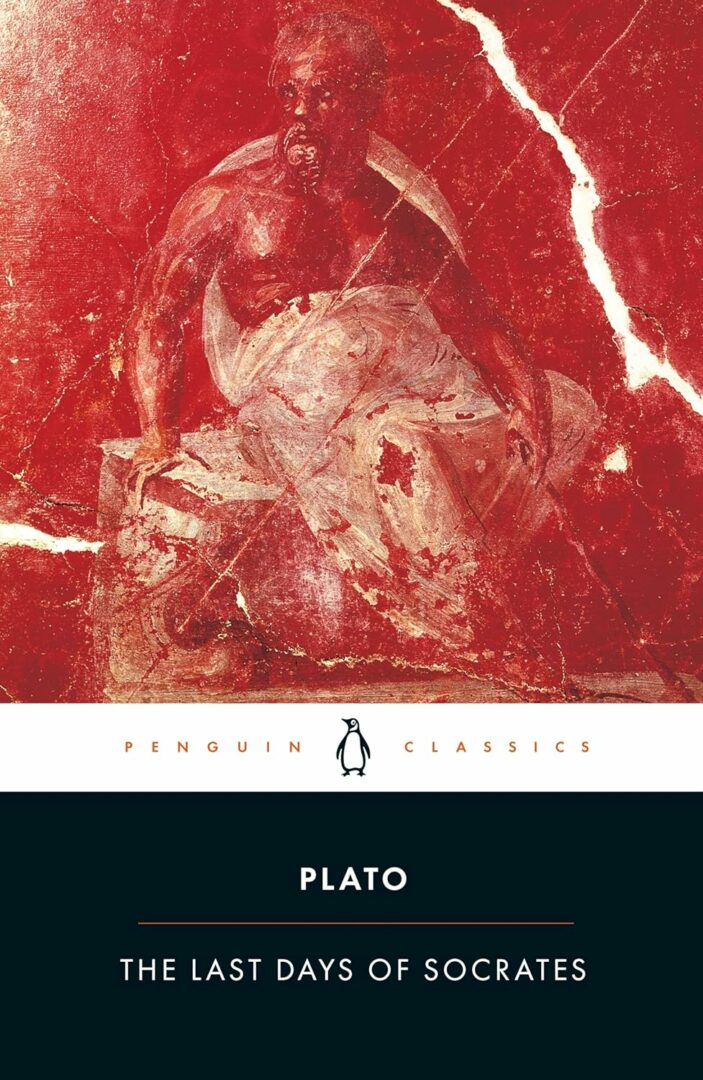
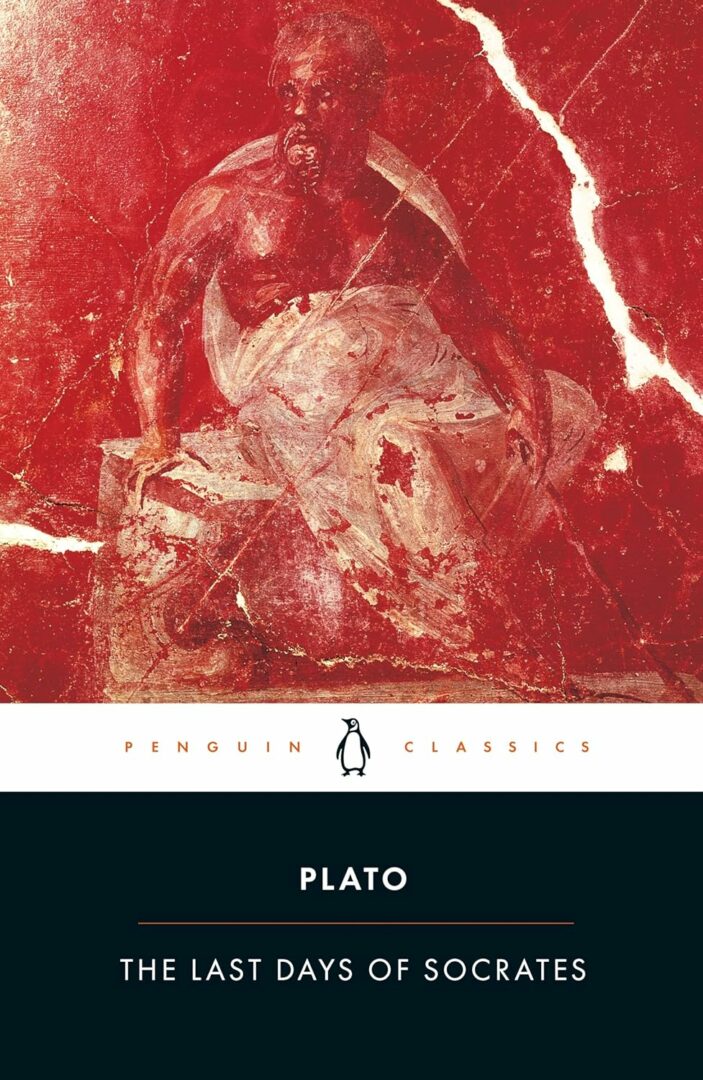
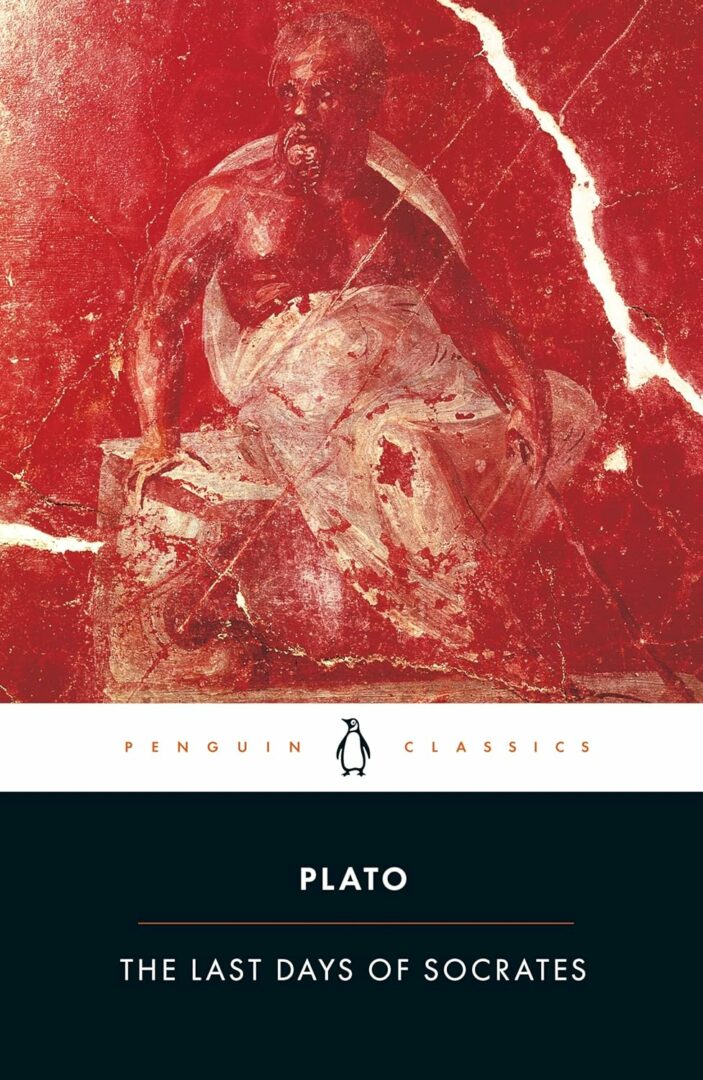
In The Dialogues, Plato, Socrates’ student, recorded Socrates’ thinking and beliefs. They are quite entertaining and thought-provoking, and they increase understanding of ideas through intensive questioning, which became known as Socratic questioning.

One dialogue is titled Euthyphro. In it, Socrates and his friend Euthyphro strike up a conversation (while on their way to court) about the nature of piety (i.e., holiness or the good). Socrates asked what it is and how it relates to justice.

After much back and forth, Socrates asked a famous question, known as Euthyphro’s dilemma: Do the gods love something because it is good, or is something good because the gods love it?

The question deals with the nature of God and what it means to live the good life.

I recommend the translation by Benjamin Jowett. (A high school student can read it in one hour. Skip the introduction.)

Finally, while thought-provoking, the dilemma is false. These Christian philosophers explain why:

Filed Under: High School, Personal Growth Tagged With: Euthyphro, Euthyphro's Dilemma, Socrates, The Dialogues of Plato

Jesus The Great Philosopher

January 17, 2025 by Daniel Dignan Leave a Comment

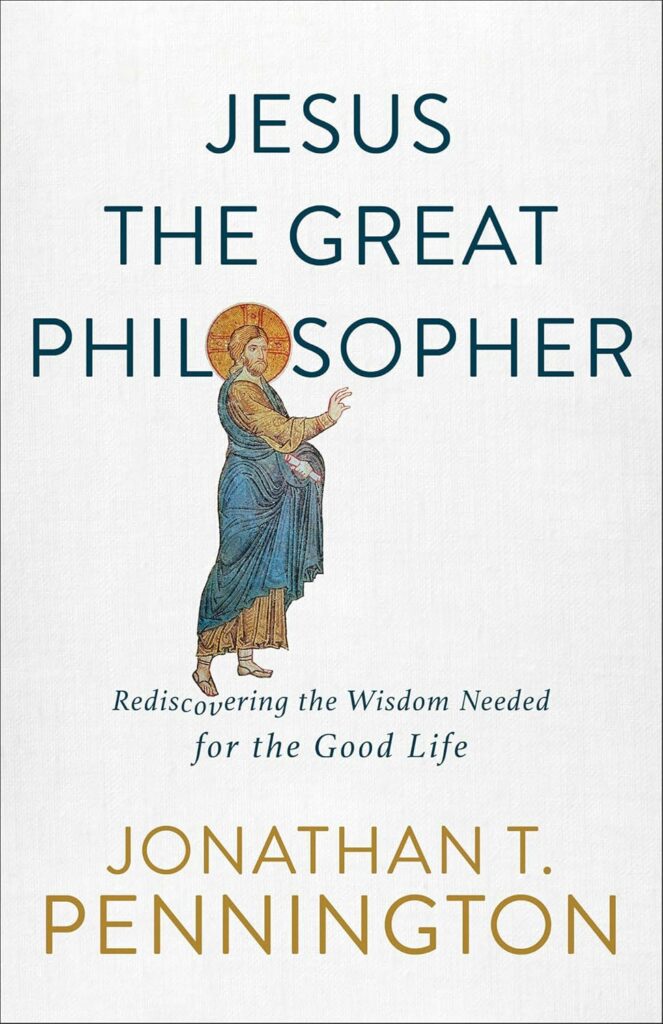
Jesus The Great Philosopher provides a helpful introduction to Socrates, Plato, and Aristotle, and the big philosophical domains they explored. The domains are metaphysics (reality), epistemology (human knowledge), ethics (what is just and good), and politics (how to order society for justice and happiness).

Jonathan T. Pennington contends that while Christianity should be viewed as a religion (in that it addresses man’s relationship with God), it’s also “a philosophy of happiness” (205), in that it deals with the ultimate questions.

The author shows that the Bible provides thick answers and intentionally so. Moreover, ancient art and the Bible reveal that Jesus was not only considered to be the Messiah, the Son of God, the Lord, and the Savior, but also a philosopher. Pennington cites texts like John 10:10 and the Sermon on the Mount (Matthew 5-7) as evidence that Jesus was a philosopher of happiness.

Furthermore, the book explains the importance of emotions and relationships, examines ancient philosophical views that continue to affect Western civilization today, and discusses how Christianity provides emotional renewal and relational restoration between God and man, and between people. The author also helpfully discusses biblical disciplines like reflection and prayer.

The author believes that a lapse in serious reflection on ultimate philosophical questions and on the philosophy of Christianity has led to confusion about how to live well.

The book is a page-turner and suitable for high school students. It’s a valuable introduction to Socrates, Plato, and Aristotle, as well as the primary philosophical questions.

Here are a few short videos from the author about the book.

Filed Under: Civic Responsibility, Personal Growth Tagged With: Aristotle, Bible, Greek philosophy, Jesus, Jesus the great philosopher, Jonathan Pennington, Plato, Socrates, the bible