

Fill the Stage

Daniel Dignan

Fill The Stage

Helping students live well

reviews / index / about

YouTube


terms / privacy

Subscribe via Email

Minor Prophets

July 23, 2026 by Daniel Dignan Leave a Comment

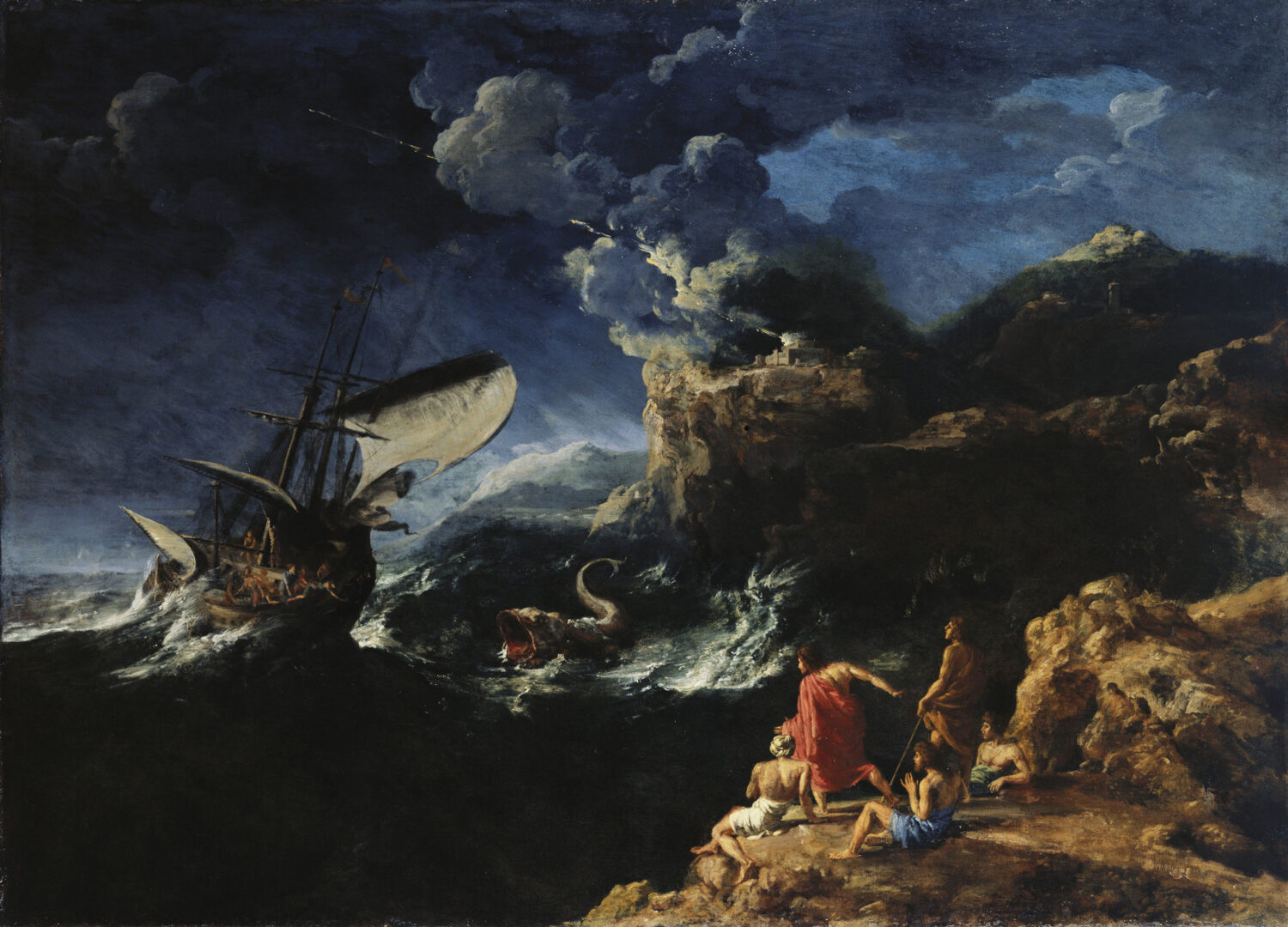
Gaspard Dughet – Seascape with Jonah and the Whale c. 1653-4

After Moses led Israel out of Egypt, God made a covenant (serious agreement) with Israel. (The Old Testament books of Exodus and Deuteronomy document the deal.) If the Israelites loved God with everything they had and treated their neighbors justly, God would bless them and make them a light to the nations. If they broke the terms of the covenant and did not change their ways, they would be cursed. (See Deuteronomy 28.)

The Old Testament histories, including Samuel, Kings, and Chronicles, detail the choices, actions, golden age (King David and King Solomon), successes, and, mostly, failures to keep the covenant, and the attendant consequences.

The prophets call Israel back to their covenant, indict them for their crimes, warn them of God’s judgment, plead with them to change their ways, and provide hope of God’s future mercy.

The prophetic books are divided into major and minor ones. Major prophets like Isaiah, Jeremiah, and Daniel are long works. The Twelve Minor Prophets (e.g., Jonah) are relatively short.

They reveal God’s sovereignty over the nations, His love for humanity and concern for justice, the horrors of idolatry, and God’s salvation plan through His Messiah and King, whom the New Testament identifies as Jesus of Nazareth.

Middle school or high school students who’ve read Genesis, Exodus, Deuteronomy, Samuel, Isaiah, and Jeremiah are well-positioned to enjoy and learn from the Minor Prophets. The message and literature move readers to consider what really matters.

For reading, I recommend the New Living Translation or the English Standard Version. For closer study, I recommend the New American Standard Bible (1995).
Filed Under: Personal Growth Tagged With: Bible, Jonah, Minor Prophets, Old Testament, Twelve Minor Prophets

Isaiah

June 22, 2026 by Daniel Dignan Leave a Comment

The heart of the Bible, Isaiah, is a literary masterpiece and the most-quoted Old Testament book in the New Testament. Set in ancient Israel about 700 years before Christ, it predicts Israel and Jerusalem’s fall to the Assyrian and Babylonian empires, the Messiah’s suffering and atoning work on the cross, His coming kingdom, and the redemption of his people: both ethnic Jews and gentiles.

Stunningly, the exodus of Israel from slavery in Egypt via Moses (told in Exodus, the Bible’s second book) is shown to foreshadow a greater exodus of God’s people from sin and death via Christ’s (Messiah) atoning work (Isaiah 53). The New Testament gospels reveal that this exodus is available to all who believe in and follow Jesus as Messiah.

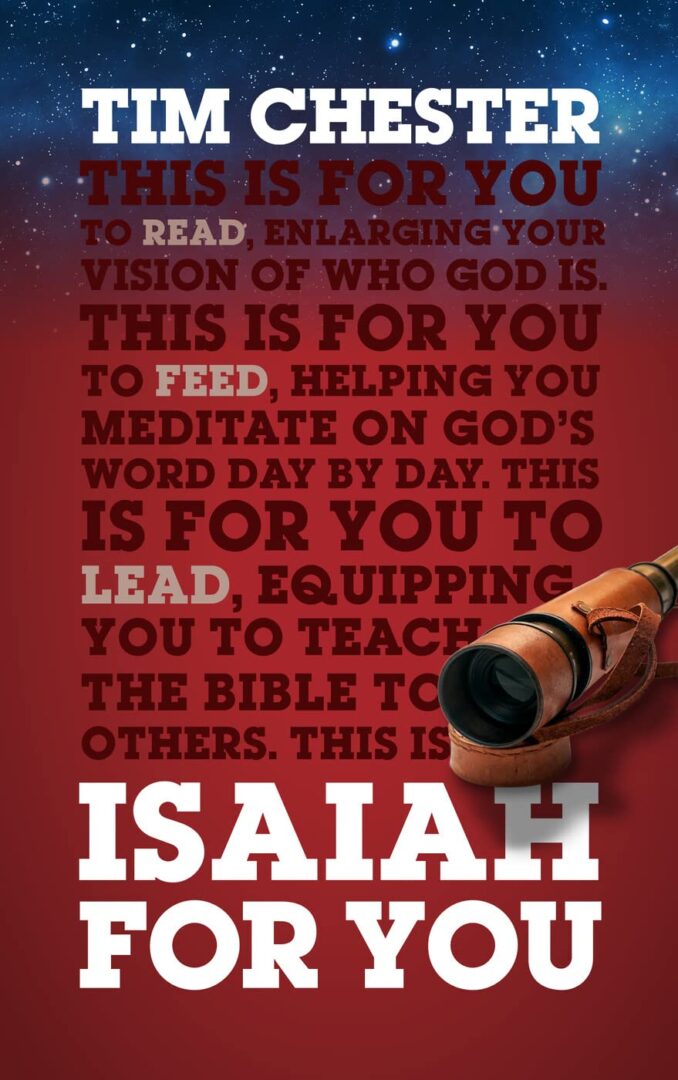
The scope, drama, and poetry are breathtaking and beautiful. As a study aid, I recommend Tim Chester’s popular commentary, Isaiah For You. It will deepen the reader’s understanding of the Bible’s good news and help him or her profit from it. Highly recommend this study for middle and high school students.

But those who die in the Lord will live; their bodies will rise again! Those who sleep in the earth will rise up and sing for joy! For your life-giving light will fall like dew on your people in the place of the dead! (Isaiah 26:19, New Living Translation)

Filed Under: Personal Growth Tagged With: Bible, Isaiah, Tim Chester

Jesus The Great Philosopher

January 17, 2025 by Daniel Dignan Leave a Comment

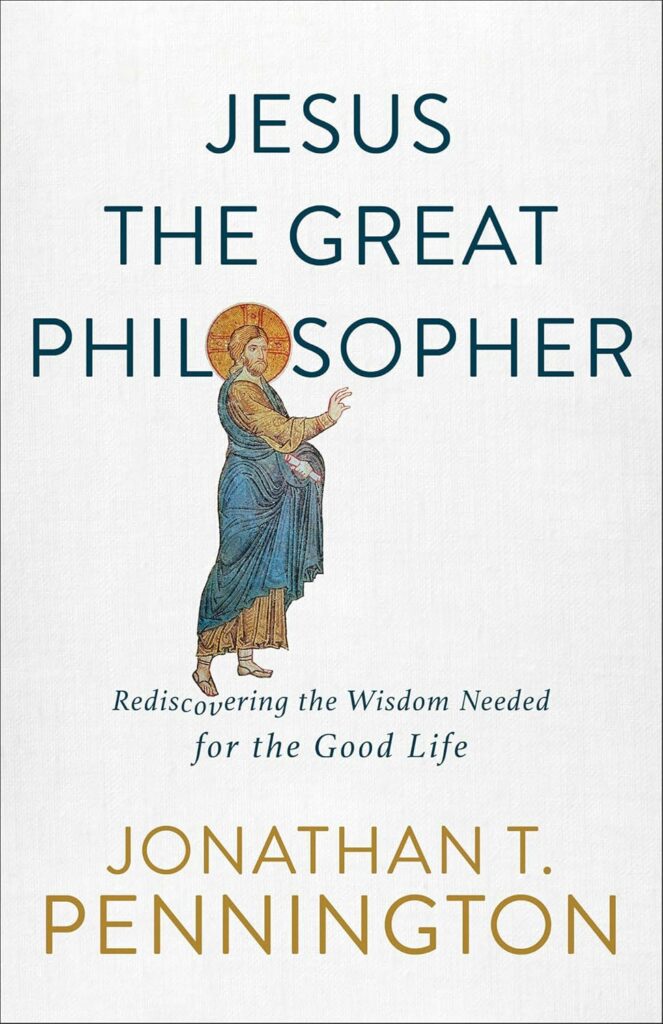
Jesus The Great Philosopher introduces Socrates, Plato, and Aristotle, and the big philosophical questions they explored. These range from metaphysics (reality) to epistemology (knowledge), ethics, and politics. He also shows how Jesus provided thick answers to these questions.

Jonathan T. Pennington contends that while Christianity should be viewed as a religion that addresses man’s relationship with God, it’s also “a philosophy of happiness” (205), providing real answers to life’s challenges and humanity’s quest for happiness, fulfillment, and peace.

In particular, ancient art and the Bible reveal Jesus as the Messiah and also a philosopher of happiness. Pennington cites texts like John 10:10 and the Sermon on the Mount (Matthew 5-7) as evidence.

Moreover, the author examines ancient philosophical views about emotions and relationships and how Christianity provides renewal and restoration. The author also examines disciplines of reflection and prayer.

Pennington successfully illuminates the thick wisdom of Jesus’ teaching in an easy-to-read form, offering solid answers to questions classical philosophy sought to answer. The book is suitable for high school readers or anyone who wants to understand the philosophy of happiness and Jesus.

Here are short videos from Pennington about the book.

Filed Under: Civic Responsibility, Personal Growth Tagged With: Aristotle, Bible, Greek philosophy, Jesus, Jesus the great philosopher, Jonathan Pennington, Plato, Socrates, the bible