

Fill the Stage

Daniel Dignan

Fill The Stage

Helping students live well

reviews / index / about

YouTube


terms / privacy

Subscribe via Email

Minor Prophets

July 23, 2026 by Daniel Dignan Leave a Comment

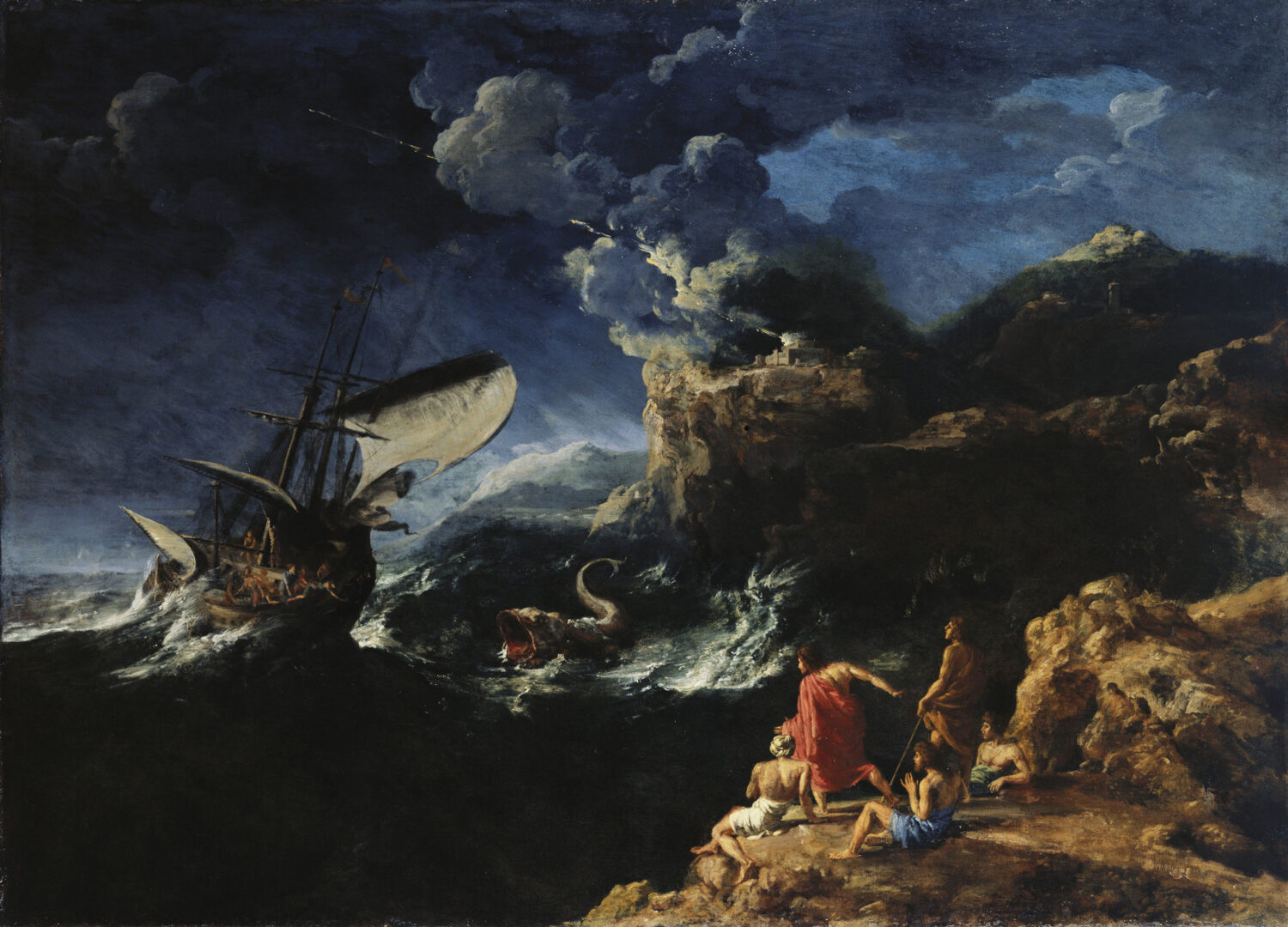
Gaspard Dughet – Seascape with Jonah and the Whale c. 1653-4

After Moses led Israel out of Egypt, God made a covenant (serious agreement) with Israel. (The Old Testament books of Exodus and Deuteronomy document the deal.) If the Israelites loved God with everything they had and treated their neighbors justly, God would bless them and make them a light to the nations. If they broke the terms of the covenant and did not change their ways, they would be cursed. (See Deuteronomy 28.)

The Old Testament histories, including Samuel, Kings, and Chronicles, detail the choices, actions, golden age (King David and King Solomon), successes, and, mostly, failures to keep the covenant, and the attendant consequences.

The prophets call Israel back to their covenant, indict them for their crimes, warn them of God’s judgment, plead with them to change their ways, and provide hope of God’s future mercy.

The prophetic books are divided into major and minor ones. Major prophets like Isaiah, Jeremiah, and Daniel are long works. The Twelve Minor Prophets (e.g., Jonah) are relatively short.

They reveal God’s sovereignty over the nations, His love for humanity and concern for justice, the horrors of idolatry, and God’s salvation plan through His Messiah and King, whom the New Testament identifies as Jesus of Nazareth.

Middle school or high school students who’ve read Genesis, Exodus, Deuteronomy, Samuel, Isaiah, and Jeremiah are well-positioned to enjoy and learn from the Minor Prophets. The message and literature move readers to consider what really matters.

For reading, I recommend the New Living Translation or the English Standard Version. For closer study, I recommend the New American Standard Bible (1995).
Filed Under: Personal Growth Tagged With: Bible, Jonah, Minor Prophets, Old Testament, Twelve Minor Prophets

Jeremiah

July 6, 2026 by Daniel Dignan Leave a Comment

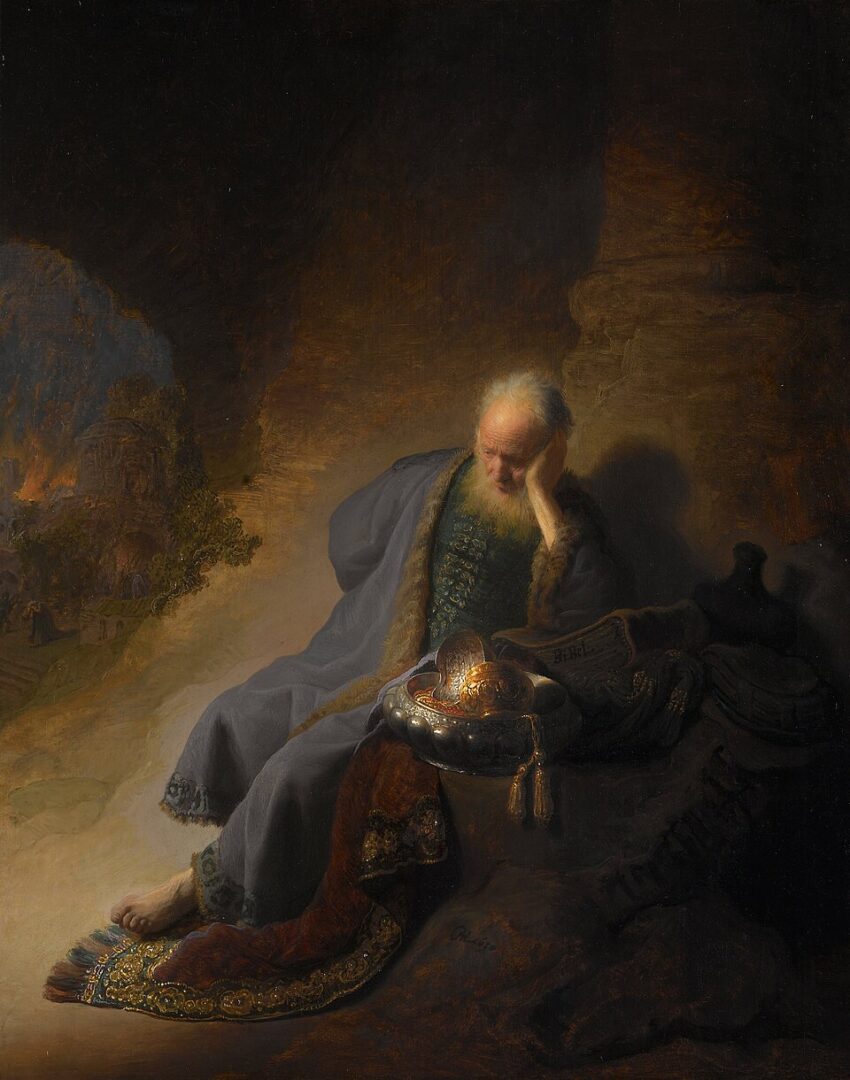
Jeremiah Lamenting the Destruction of Jerusalem, Rembrandt

Jeremiah, one of the Bible’s major prophetic works, foretold Jerusalem’s doom and destruction at the hands of Babylon, the superpower of the 7th and 6th centuries BC. Eventually, Babylon broke through Jerusalem’s walls, captured the king, and razed the city. At the end of the book, the unthinkable happens: Babylon, the golden empire, falls. Overthrown by an alliance of kings and nations led by Cyrus the Great of Persia.

Throughout the book, God, through the prophet Jeremiah, warns Judah and Jerusalem to forsake their rebellion and idolatry, but they refuse. Instead, they continue worshipping and offering sacrifices to idols and pagan gods. Even sacrificing their children, something God said never came to his mind.

The book’s scenes do not all unfold chronologically; instead, like a Christopher Nolan film, we are made to experience different aspects of the relentless drumbeat toward Jerusalem’s fall. Pressure builds as kings come and go; Jeremiah is targeted and imprisoned, left to die, and eventually rescued; Judah’s young king secretly seeks his counsel.

One thing is sure: the Babylonians are coming. And when they do, they eventually surround and besiege Jerusalem’s wall for two years. Famine, overconfidence, and terror fill their sad days. The great Nebuchadnezzar tightens his grip.

Judah’s national nightmare comes true, but it also intensifies. After Jerusalem is destroyed, those who remain are put under a Jewish governor named Gedaliah, only to be assassinated by a Jewish royal official. The people beg Jeremiah to ask God what they should do, promising to do as God commands. But when he tells them that they must not go to Egypt but remain in Judah, or they will suffer further destruction. They refuse to listen. While in Egypt, Jeremiah confronts the Judeans about their idol worship, but they brazenly declare, “We will not listen to your message from the LORD! We will do whatever we want…” (Jeremiah 44:15-16, New Living Translation).

The key to the book is the LORD’s promise to restore Judah’s line of kings (which originated with the great king David) and his introduction of the new covenant (23:5-6; 31:31-34). (The old covenant is the one God made with Moses and the people of Israel at Mount Sinai (see Exodus) and reaffirmed in Deuteronomy. The people broke the terms by worshipping other gods and acting unjustly.)

The new covenant is fully revealed in the New Testament (meaning New Covenant) and established and ratified by Christ’s atoning work on the cross and resurrection from the dead. The benefits- forgiveness from sin, righteousness, and peace with God- are available to all who are connected to Jesus by faith and are part of his church. Moreover, Jesus is revealed to be the King of kings who restores the line of King David.

The book is dark and terrorifying, causing the reader to shake his head in dismay, gasp for breath, and feel the agony of the people’s self-harm. But Jeremiah contains rays of hope, ones that allude to God’s future mercy in the new covenant for Israel and the nations: “They will bind themselves to the LORD with an eternal covenant that will never be forgotten.” (50:5)

A serious read, Jeremiah reveals the consequences of putting one’s trust in human beings and false gods, the blessings for those who put their trust in Jesus, and the deceitfulness of the human heart, which falls continually for idols that disappoint. (17:5-10).

Filed Under: Personal Growth Tagged With: Hebrew Bible, Jeremiah, Old Testament