
Fill the Stage

Daniel Dignan

Fill The Stage

Welcome to Fill The Stage. This site helps students live well. New? Click start page.

start / index / about

YouTube

high school 

middle school


terms / privacy

Subscribe via Email

Home » Page 12

Drawing Dinosaurs Vocationally and Advice for Young Artists

October 5, 2024 by Daniel Dignan Leave a Comment

Aram Papazyan, an Armenian citizen and dinosaur artist–one of the best in the world–shares how he became interested in dinosaurs and honed his artistic skill.

Using simple tools, roller ball ink pens and markers, he patiently and diligently developed advanced techniques that make his dinosaur drawings unique, beautiful, and accurate. His keen knowledge of paleontology and fossils adds life and authenticity to his art.

He shares tips and advice for young artists, like the importance of patience and diligence, drawing what you love, and drawing challenging topics to make what you love drawing better.

His career and vocation began when his grandfather, an architect of Yerevan, noticed his skill and encouraged him to draw. Overall, self-taught, Aram pursued formal art education that pushed him out of his comfort zone to higher levels of artistic competence.

In the interview, Aram shares the difference between AI-generated art and real art, what he hopes to accomplish, and advice for young people interested in art as a profession.

You can follow Aram and see his amazing drawings at the following locations:

  • Artstation : https://www.artstation.com/aram_rex (https://www.artstation.com/aram_rex)
  • Instagram : https://www.instagram.com/arampapazyan.art/
  • Youtube : https://m.youtube.com/c/ArtbyAP
  • Facebook : https://m.facebook.com/ArtbyAramPapazyan/
  • Patreon : www.patreon.com/ArtbyAP
Filed Under: Earning a Living Tagged With: Artist, Dinosaurs, T-Rex, Tyrannosaurus

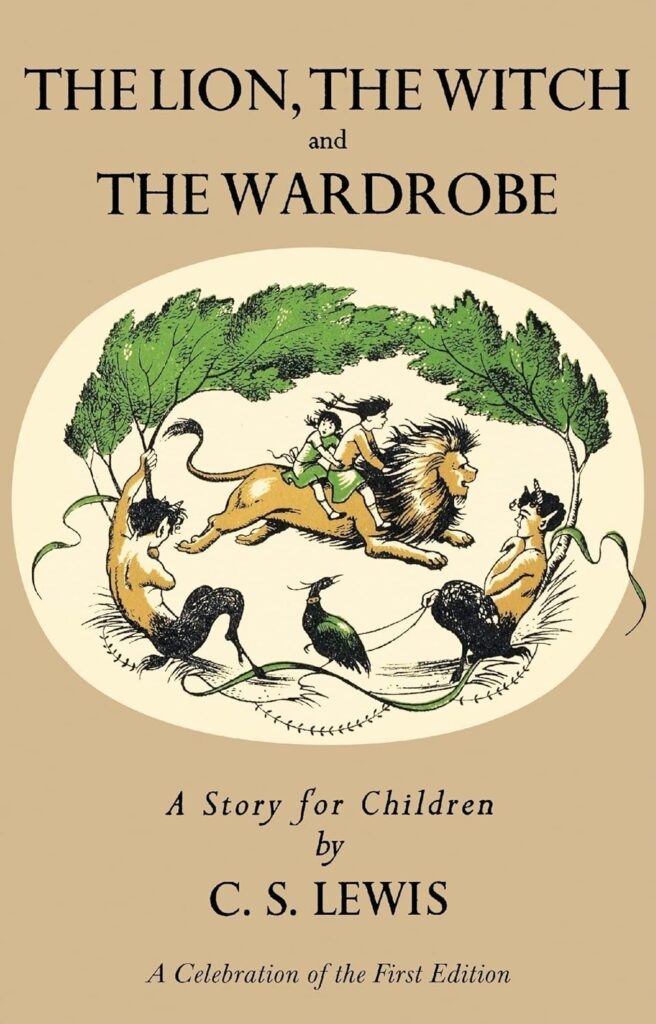
The Lion, the Witch and the Wardrobe

September 2, 2024 by Daniel Dignan Leave a Comment

The most famous of Narnia’s stories begins when four children are evacuated from London during the war to the countryside. They arrive at a large house with many rooms owned by a mysterious professor. Soon after, they are drawn into a world of talking animals and mythical creatures. And they are in danger.

Connected to The Magician’s Nephew and the other stories that comprise C.S. Lewis’s The Chronicles of Narnia, this story has served as the entry point into the land of Narnia for millions of children and adults. It is the most significant of all the stories, though all are intensely enjoyable classics with essential lessons.

In this story, Narnia is “Always winter and never Christmas” and is ruled by a White Witch, who turns creatures into stone with a wave of her wand. Several famous scenes stick with you, like the temptation scene and the stone table.

The main characters, the children —Peter, Susan, Edmund, and Lucy —struggle to overcome uncertainties and dangers. And they find that they need Aslan, the great lion’s help. However, they are unsure if he is safe, but they find him to be greater than imagined.

Lewis is a master storyteller; the book is not only great for young people, but it also improves with subsequent readings. 

I recommend The Complete Chronicles of Narnia, which features the illustrations of Pauline Baynes. You can purchase a single volume here.

Filed Under: Personal Growth Tagged With: C.S. Lewis, Narnia, The Chronicles of Narnia, The Lion, the Witch and the Wardrobe

The Iliad, Achilles, Hector, and What the Best Men Do Well

August 10, 2024 by Daniel Dignan Leave a Comment

I interview JP Shafer about the Iliad—the Greek epic poem about the Trojan War and one of greatest books of all time. We discuss the story, highlights, themes, characters, what the best men do well, and why one should put the poem’s lessons into practice.

You can read the Iliad in prose or poetry. I recommend Emily Wilson’s poetic translation.

Filed Under: Personal Growth Tagged With: Achilles, Hector, The Iliad, The Trojan War

Mayflower Compact

August 3, 2024 by Daniel Dignan Leave a Comment

File:The Mayflower Compact 1620 cph.3g07155.jpg
Signing the Mayflower Compact 1620 by Jean Leon Gerome Ferris

The Mayflower Compact is one of the world’s most important documents. It marked the Pilgrams’ endeavor to order themselves for liberty and prosperity in the Plymouth Colony in Massachusetts.

The Pilgrams sought freedom and a new life in a new world, and they knew they needed government to promote a flourishing community.

This short document reveals why they left home and were willing to face the unknown. It states, unequivacally, their commitment to their king, faith, each other, and a self-ruling community.

The language is old, but it is noble, profound, and worth comtemplation. It is langauge of a particular time and place, and for all times and places, because it highlights important realities, the purpose of government, and what is critical for prosperity and social happiness.

In the midst of terrifying dangers, the pilgrims wrote a humble document that foreshadowed the American project and experiement in constitutional self-government.

This is one of several documents I recommend having your kid read.

Great documents of Amerian history, coupled with beautifully written history books (e.g., Land of Hope), are one of the best ways to instill an appreciation for what made America unique and the American Dream a reality.

Text:

“In the name of God, Amen. We, whose names are underwritten, the Loyal Subjects of our dread Sovereigne Lord, King James, by the Grace of God, of Great Britaine, France and Ireland, King, Defender of the Faith, etc. Having undertaken for the Glory of God, and Advancement of the Christian Faith, and the Honour of our King and Country, a Voyage to plant the first colony in the Northerne Parts of Virginia; doe, by these Presents, solemnly and mutually in the Presence of God and one of another, covenant and combine ourselves together into a civill Body Politick, for our better Ordering and Preservation, and Furtherance of the Ends aforesaid; And by Virtue hereof to enact, constitute, and frame, such just and equall Laws, Ordinances, Acts, Constitutions and Offices, from time to time, as shall be thought most meete and convenient for the Generall Good of the Colony; unto which we promise all due Submission and Obedience. In Witness whereof we have hereunto subscribed our names at Cape Cod the eleventh of November, in the Raigne of our Sovereigne Lord, King James of England, France, and Ireland, the eighteenth, and of Scotland, the fiftie-fourth, Anno. Domini, 1620.”

Source

Filed Under: Civic Responsibility Tagged With: Mayflower Compact

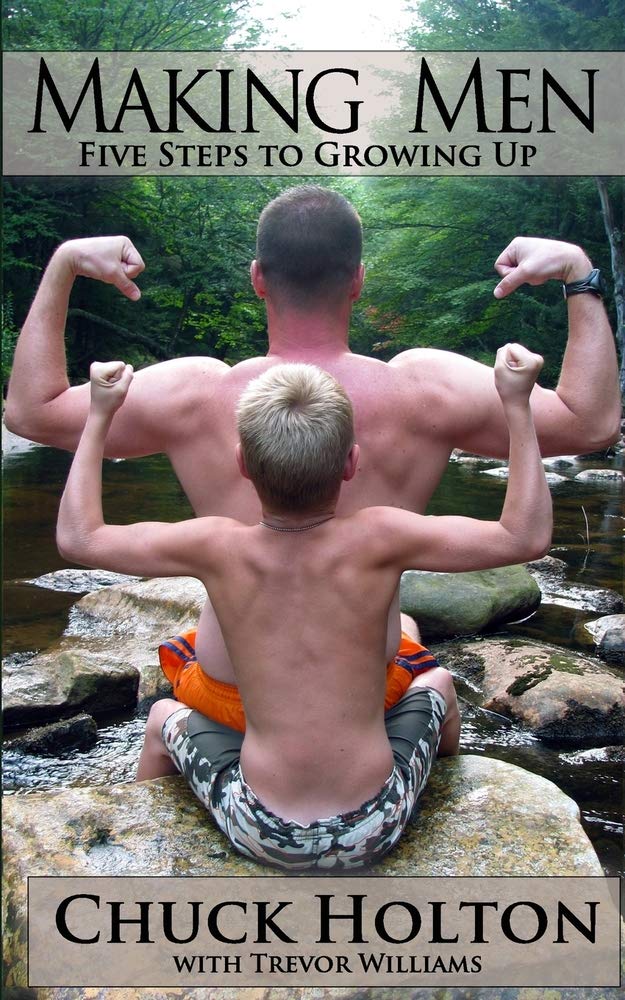
Making Men: Five Steps To Growing Up

July 29, 2024 by Daniel Dignan Leave a Comment

Chuck Holton, an Army Ranger and war correspondent, endeavors to help young men live happier, more fulfilling lives by embracing hardship and responsibility. His book explains what growing up and becoming a man looks like.

The book is structured around five qualities of manhood. Chuck describes each quality and weaves his story through the book, showing how he learned of and adopted them.

The qualities are submission, honor, assessment and improvement, perish and provide, and engagement. Chuck makes a critical point: Real men sacrifice for the good of others by embracing difficulty and hardship. This selfless leadership leads to a healthy family, an adventurous life, and personal fulfillment.

According to Chuck, submission is the foundation of manhood. A man must submit to God and proper authority. This means submitting to the Ultimate Being and orienting one’s life according to his design and commands, revealed in nature and the Bible.

Chuck explains that to live honorably, one must value things rightly. Chuck writes: “Understanding honor requires nothing more than learning what is most important and living appropriately based on that knowledge.” (66). This requires desiring what is true and good, serious thinking, prioritization, and a willingness to take action.

Chuck’s third quality, assess and improve, is likened to a farmer walking down a field, evaluating the quality of his crops and rooting out weeds. Chuck believes in the importance of assessing one’s life, including career, religious beliefs, and physical health, to make needed changes.

The following quality, perish and provide, is the heart of manhood and leadership. A man considers the needs of others as more important than his own. He is devoted to his wife, kids, and colleagues and fulfills his duties. Importantly, this quality of sacrificial service is the key to a fulfilled life. Chuck writes, “The more hardship a man is willing to embrace, the more fulfilling his life will become….” (138).

Lastly, Chuck explains that a man must engage and execute. This is the opposite of passivity. Knowing what one ought to do is not enough. One must act. Action, the key to an adventurous and fulfilling life, is the capstone quality that separates men from boys.

The book is accessible and practical, with many interesting stories that emphasize and illustrate the qualities of manhood. It would benefit high school, college, and middle school students. Girls and young women interested in marriage can also benefit from learning what to look for in a husband.

Filed Under: Personal Growth Tagged With: Chuck Holton, Five Steps to Growing Up, Making Men

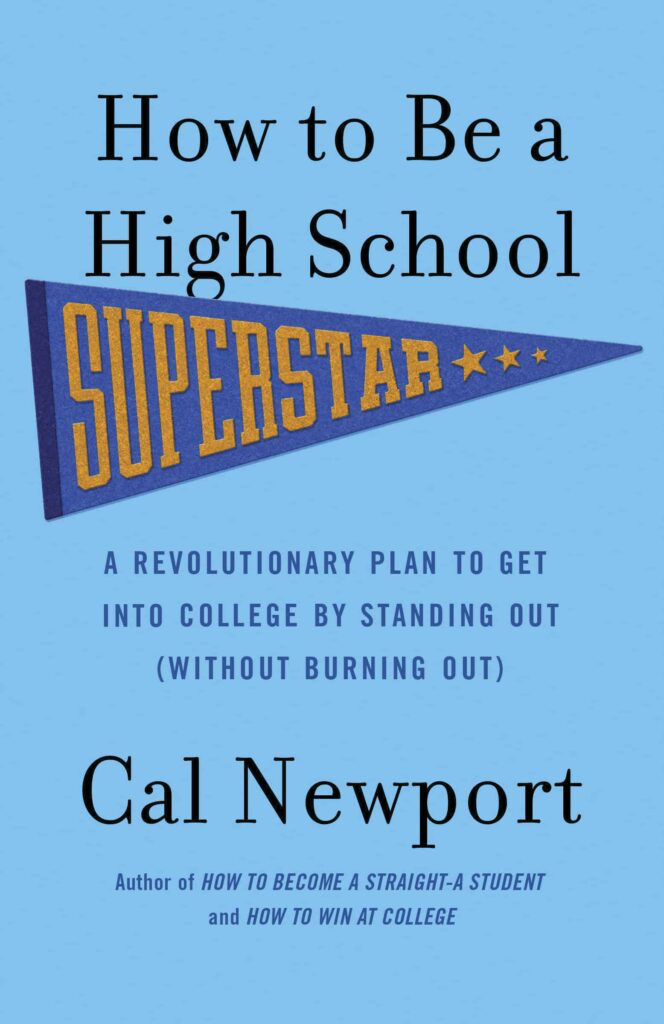
How to Be a High School Superstar

July 21, 2024 by Daniel Dignan Leave a Comment

This book can help your teenager develop an interest and discover opportunities. Top students across America have used the methods. Cal Newport shares their stories.

The main idea is that a student ought to identify an interest and develop knowledge and skills in that domain. The author shares an intentional method for doing so. The purpose is to help teens attract the attention of top colleges and universities. But the book is worth reading even if entering a top college is not the goal.  It can help your student identify a life vocation.

Summary

Newport emphasizes that identifying an interest requires setting aside time for constructive leisure. This is because a real interest cannot be contrived; it must be genuine. The interest must also drive one to serve people in ways that people value. In other words, one must go beyond an interest in ping-pong or extracurricular activities that anyone can do.

The book has three parts: unscheduling, focus, and innovation.

Overscheduling is a common problem, according to Newport. Many bright students do too much of what ultimately does not matter, such as taking challenging courses designed to impress college administrators. Underscheduling requires avoiding what does not matter and completing homework quickly so that evenings and weekends are free for the necessary trial and error to identify an interest. Students need time for reading, experimentation, volunteering, developing relationships, and working.

To complete schoolwork quickly, students must learn to study effectively and efficiently. Newport dedicates a portion of the book to examining the study habits of top students.

Next, regarding focus, Newport explains how to identify meaningful extracurricular activities. Not only should teens immerse themselves in the activities, but they should also investigate how others became effective in a given area. (This can be done by reading biographies.)

Finally, he explains how to innovate and turn an interest into something inexplicable and impressive. This can be achieved over time by volunteering and serving a particular community, gaining trust, and gradually taking on larger and more complicated projects as one gains experience, character, and knowledge.

All of this is explained in detail with many examples.

He shares how one high school student started a company and a successful entrepreneurship blog, leading to many opportunities. Another student became a teacher’s assistant and eventually transformed student reading programs. Another wrote a book, leading to speaking opportunities and significant relationships that helped the student become a sought-after expert and commentator.

In closing, this is the best career advancement book I’ve ever read. It could help your teen develop a plan of action and identify a calling earlier than most.

I have read the book twice and found it personally helpful. Parents should read the book first; it could help them in their endeavors and in guiding their students.

How to Be a High School Superstar

Filed Under: Earning a Living, Personal Growth Tagged With: Cal Newport, calling, How to Be a High School Superstar

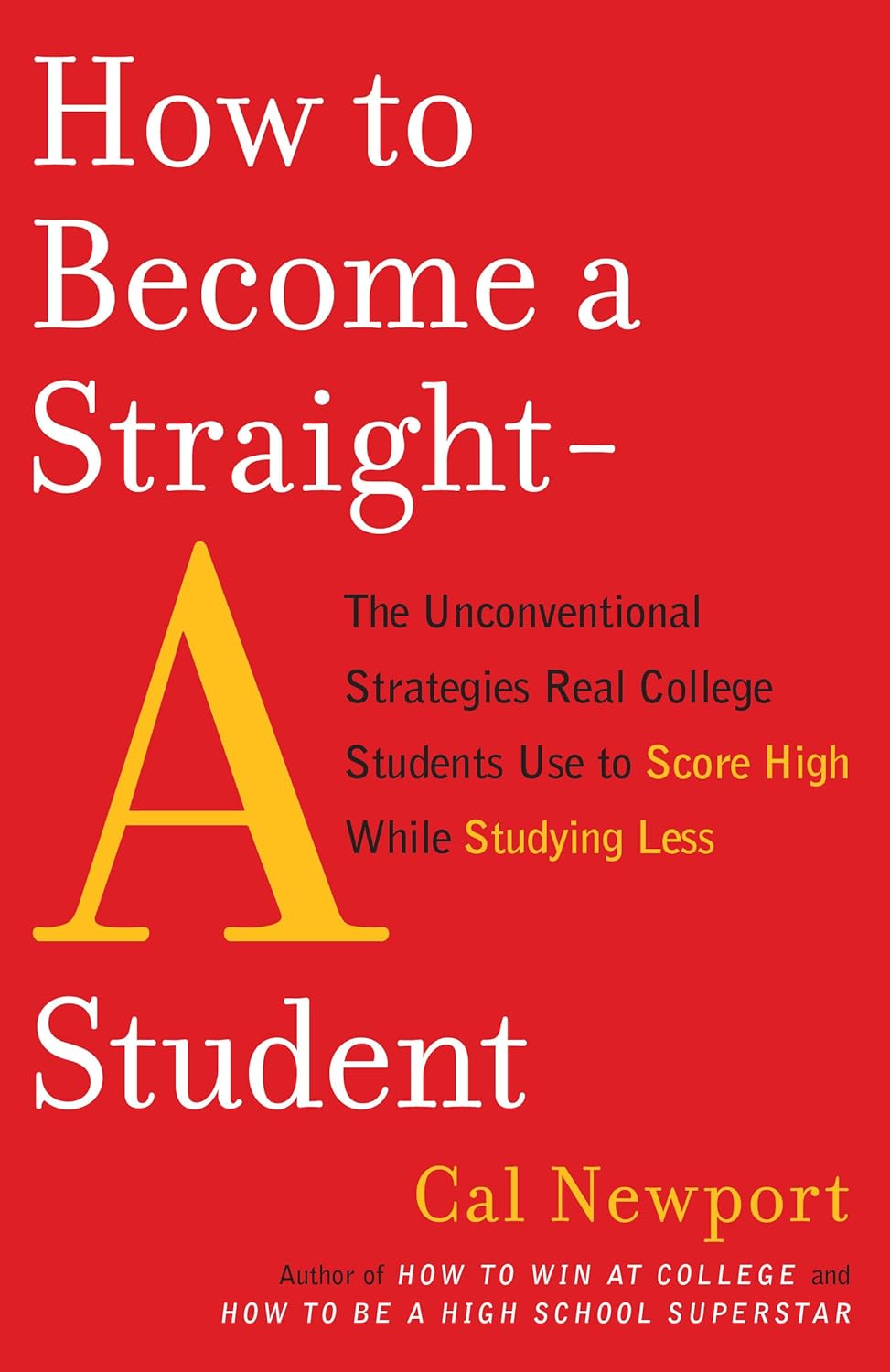
How to Become a Straight-A Student

July 5, 2024 by Daniel Dignan Leave a Comment

If your teenager needs to develop stronger study habits, I recommend Cal Newport’s How to Become a Straight-A Student. The author explains how top-college students earn high grades while studying less than their peers.

Topics include time management, note-taking, exam preparation, and research paper writing. The book is jam-packed with strategies, techniques, and tips from elite students and the author’s own academic experience.

Although college and university students are the target audience, middle and high school students could benefit from adopting the practices before facing the rigors of higher education. Moreover, those entering the workforce could also benefit because they need study skills for their careers.

The book is divided into three parts: basic study habits, quiz and exam preparation, and paper writing. The first part focuses on time management, limiting procrastination, and study tips. The exam preparation section shows how to take notes and study for tests, both technical and non-technical ones. The final section reveals how to research, write, and edit a paper — the author’s approach works for term papers, but it is also suitable for writing short nonfiction books. 

The most helpful parts are his strategies for time management, note-taking, test prep, and the research phase of paper writing. For note-taking, he teaches students to focus on the lecturer’s question, evidence, and conclusion. For test prep, Newport explains how prep ought to begin on day one of class. For paper writing, the most helpful section is the research section. He shows how to plan it out and find resources. He also emphasizes the need to separate the research, writing, and editing stages. (There is much more.)

I like how the book helps curb procrastination and encourages planning one’s activities, leaving room for interruptions and leisure. If followed, the book’s strategies and methods can lower stress and anxiety, and as the author contends, increase opportunities.

Takeaways: 

  • Plan your school semester out in advance.
  • Plan each week out in advance.
  • Schedule time periods for each day’s known activities. 
  • Jot tasks that come to mind throughout the day in a planner.
  • Reschedule tasks that were not completed the previous day, and schedule tasks that were jotted down.
  • When studying for a test, recall the main ideas and concepts, and explain them out loud. 

Warning: the book contains a few inappropriate references like “debauchery” and “party like a demon” (38).

Filed Under: Earning a Living

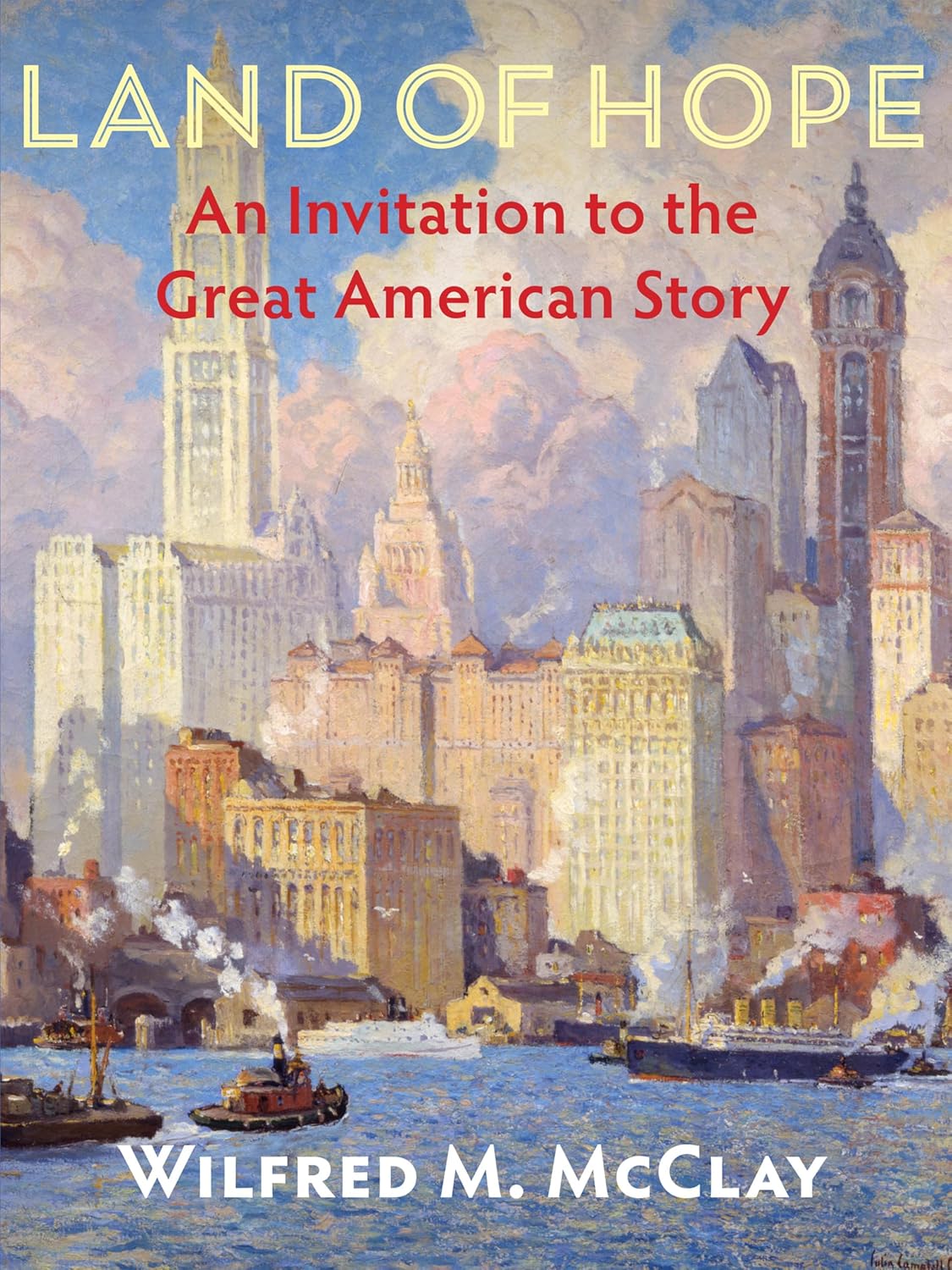
Land of Hope: An Invitation to the Great American Story

July 1, 2024 by Daniel Dignan Leave a Comment

At the beginning of the modern age, Christopher Columbus sailed across the Atlantic Ocean, seeking a shorter trade route to the Eastern lands, but discovered North America instead. Although he never understood the significance of his discovery, it changed the world forever. The story of America is inspiring and fascinating, yet few today comprehend its rise, struggles, triumphs, leaders, and what made it a land of hope.

Wilfred McClay’s best-selling book tells America’s story, helping readers see the big picture and revealing invaluable, meaningful lessons. I highly recommend the book to parents of middle and high school kids. This is a great book to read as we approach America’s 250th birthday in 2026.

McClay is a master historian who believes history contains valuable lessons that support a healthy patriotism and responsible citizenship. In this book, he focuses on America’s political history from colonial times to the present. He writes engagingly, avoids partisan politics, yet is open about his belief that America was and is a land of hope. 

The author does an excellent job explaining major events and their causes and effects in ways that delight and reveal. He explains what led to European settlement, and he continues into colonial America, the Great Awakening, the founding, the Civil War, the World Wars, the Depression, and the Cold War. The Louisiana Purchase, the Monroe Doctrine, Reconstruction, modernization, the Progressive Era, the civil rights movement, and Vietnam are also covered. 

One of the book’s greatest strengths is its treatment of America’s leaders. He interposes stories of George Washington, Benjamin Franklin, Abraham Lincoln, and many other presidents. He also shares about lesser-known American leaders who played a significant role in America’s story. 

Some of the most interesting and helpful parts include chapter 3 “The Revolution of Self-Rule”, chapter 7 “The Age of Democracy” (where he describes the significance of Alexis de Tocqueville’s political and social analysis of America in his famous book Democracy in America), chapter 8 “The Old South and Slavery”, chapter 12 “A Nation Transformed” (about the Civil War’s aftermath), and chapter 14 “The Progressive Era.”

Land of Hope is suitable for teenagers who want to understand the time they find themselves in, what is happening around them, and what role they should play. 

In conclusion, here is a quote that McClay used to emphasize the importance of history:

Every generation rewrites the past. In easy times history is more or less of an ornamental art, but in times of danger we are driven to the written record by a pressing need to find answers to the riddles of today. We need to know what kind of firm ground other men, belonging to generations before us, have found to stand on. In spite of changing conditions of life they were not very different from ourselves, their thoughts were the grandfathers of our thoughts, they managed to meet situations as difficult as those we have to face, to meet them sometimes lightheartedly, and in some measure to make their hopes prevail. We need to know how they did it.

In times of change and danger when there is a quicksand of fear under men’s reasoning, a sense of continuity with generatoins gone before can stretch like a lifeline across the scary present and get us past that idiot delusion of the exceptional Now that blocks good thinking. That is why, in times like ours, when old institutions are caving in and being replaced by new institutions not necessarily in accord with most men’s preconceived hopes, political thought has to look backwards as well as forwards.

John Dos Passos “The Use of the Past,” from The Ground We Stand On: Some Examples from the History of a Political Creed (1941)

Land of Hope: An Invitation to the Great American Story

Filed Under: Civic Responsibility Tagged With: American history, American history textbook, Land of Hope, Land of Hope: An Invitation to the Great American Story, Wilfred McClay

George Washington’s Epic Forest Adventure

June 28, 2024 by Daniel Dignan Leave a Comment

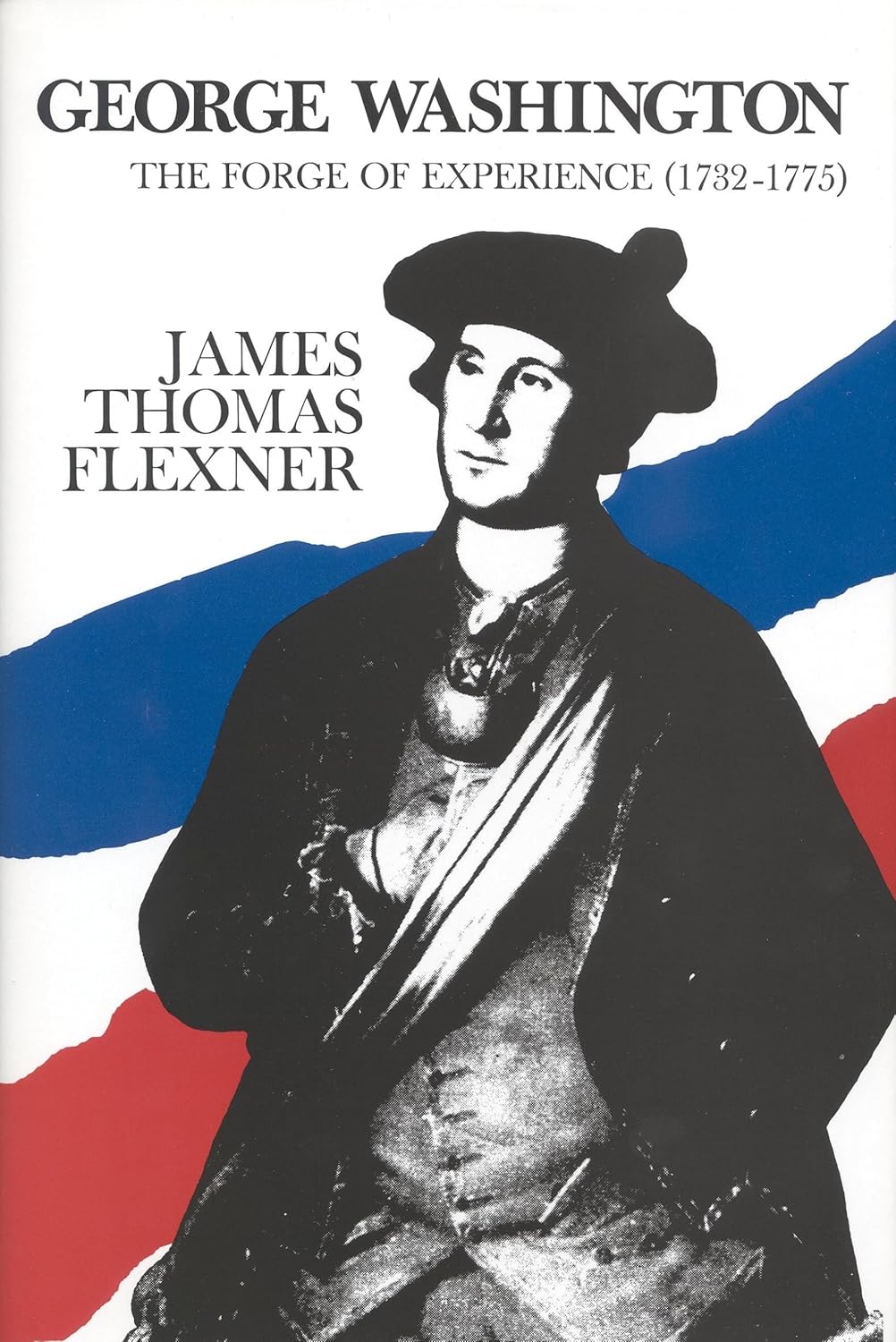
George Washington’s behavior and achievements in the American War for Independence are legendary and heroic. Yet, his early life is not as well-known, though his energy, activity, bravery, and leadership were striking. James Thomas Flexner tells the story of a 21-year-old Washington leading six men through the wilderness on behalf of the King of England. This trek put George Washington on the map.

Functioning as an emissary and spy for the king, Washington embarked on a cold, dangerous, and grueling journey through forests and paths (known only to indians and explorers) from eastern Virginia to the Ohio Valley, south of Lake Erie. The result of his mission would be a world war, remarkable military leadership, and the command of the Virginia Regiment charged with the protection of the settlers and families of the Shenandoah Valley.

It all began when George Washington strongly pursued military responsibility and leadership. His “visible intelligence and energy” (52) marked him, as did his woodland experience as a surveyor, as one dependable for a unique and essential mission.

Here I tell the story that you can read about in Flexer’s wonderful book, in chapter 6: Forest Adventure:

Filed Under: Personal Growth Tagged With: George Washington, James Thomas Flexner, Ohio Valley, The Forge of Experience

George Washington: The Forge of Experience

June 25, 2024 by Daniel Dignan Leave a Comment

Reading biographies can help a young person develop character and become a better leader. Even a single biography can make a huge difference. George Washington is a great place to start.

It has been said that Washington is the most unknown well-known person in American history. Very few people know much about his life or what made him one of the most significant leaders of all time and a universally loved figure. Washington’s character, leadership, bravery, work ethic, and consideration for others made him indispensable. Generations of people have benefited from his life.

I have enjoyed learning about the early life experiences of Washington, in particular, his hardships as a young man in his early twenties, leading men in wilderness adventures.

Here, I review a top biography of his early life:

Filed Under: Personal Growth Tagged With: George Washington, James Thomas Flexner, The Forge of Experience

  • « Previous Page
  • 1
  • …
  • 10
  • 11
  • 12
  • 13
  • Next Page »