
Fill the Stage

Daniel Dignan

Fill The Stage

“Character is Destiny”

start / index / about

YouTube

high school 

middle school


terms / privacy

Subscribe via Email

Saint Paul’s Heavenly Vision

June 8, 2025 by Daniel Dignan Leave a Comment

Paul, originally Saul of Tarsus (a city in Asia Minor, now modern-day Turkey), is responsible for half of the books in the New Testament (NT) of the Bible. A titanic figure in his day, trained to be a Jewish religious leader by one of the most respected rabbis, a contemporary of Jesus Christ, he became early Christianity’s most aggressive persecutor: “But Saul was ravaging the church, and entering house after house, he dragged off men and women and committed them to prison.” (Acts 8:3, ESV)

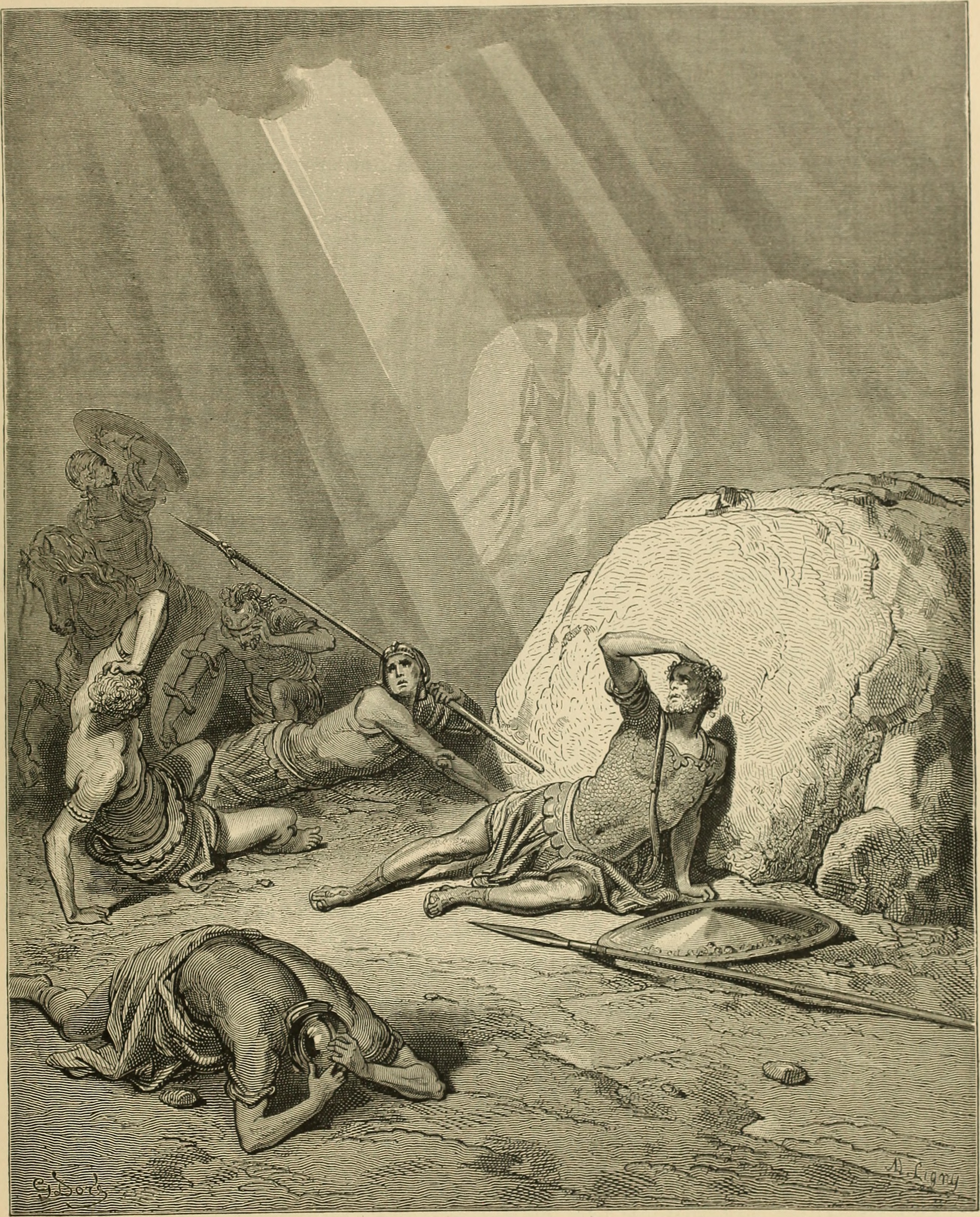
Yet in the middle of his efforts to stamp out Christianity, on the road to Damascus, he was dramatically and forever changed by a vision of Jesus Christ.

But Saul, still breathing threats and murder against the disciples of the Lord, went to the high priest and asked him for letters to the synagogues at Damascus, so that if he found any belonging to the Way, men or women, he might bring them bound to Jerusalem. Now as he went on his way, he approached Damascus, and suddenly a light from heaven shone around him. And falling to the ground, he heard a voice saying to him, “Saul, Saul, why are you persecuting me?” And he said, “Who are you, Lord?” And he said, “I am Jesus, whom you are persecuting. But rise and enter the city, and you will be told what you are to do.” The men who were traveling with him stood speechless, hearing the voice but seeing no one. Saul rose from the ground, and although his eyes were opened, he saw nothing. So they led him by the hand and brought him into Damascus. And for three days he was without sight, and neither ate nor drank. (Acts 9:1-9, ESV)
This tectonic event led to the spread of Christianity worldwide, particularly in Europe. Paul would undertake three missionary journeys, possibly four, preaching the gospel of Jesus Christ, planting churches in key cities, and writing letters to the churches that became crucial to the New Testament’s message. This was documented by Luke, Paul’s physician, in the New Testament’s Acts of the Apostles.

Paul describes his early life and conversion in two places: Acts 22 and 26. On the first occasion, his audience was an angry mob that wanted to kill him. The second was before King Agrippa in Caesarea. Paul had become the most consequential person in the world. One whom kings, and eventually Caesar, were compelled to hear.

In Paul’s vision on the Damascus road, Jesus Christ told Paul the following:

But rise and stand upon your feet, for I have appeared to you for this purpose, to appoint you as a servant and witness to the things in which you have seen me and to those in which I will appear to you, delivering you from your people and from the Gentiles—to whom I am sending you to open their eyes, so that they may turn from darkness to light and from the power of Satan to God, that they may receive forgiveness of sins and a place among those who are sanctified by faith in me.’ (Acts 26:16-18, ESV)

This divine purpose continues to affect the world to this day and began to arise in Paul’s missionary journeys.

Filed Under: Personal Growth Tagged With: Acts of the Apostles, Saint Paul

America’s Field Trip

June 7, 2025 by Daniel Dignan Leave a Comment

America 250 is hosting a contest for students in grades 3 through 12. This is a fantastic opportunity. Visit America250.org for information.

One of the leaders of the associated U.S. Semiquincentennial Commission is Wilfred M. McClay, a historian recommended previously.

Filed Under: Civic Responsibility, Personal Growth Tagged With: America 250, U.S. Semiquincentennial Commission

A Christian Guide to the Classics

June 1, 2025 by Daniel Dignan Leave a Comment

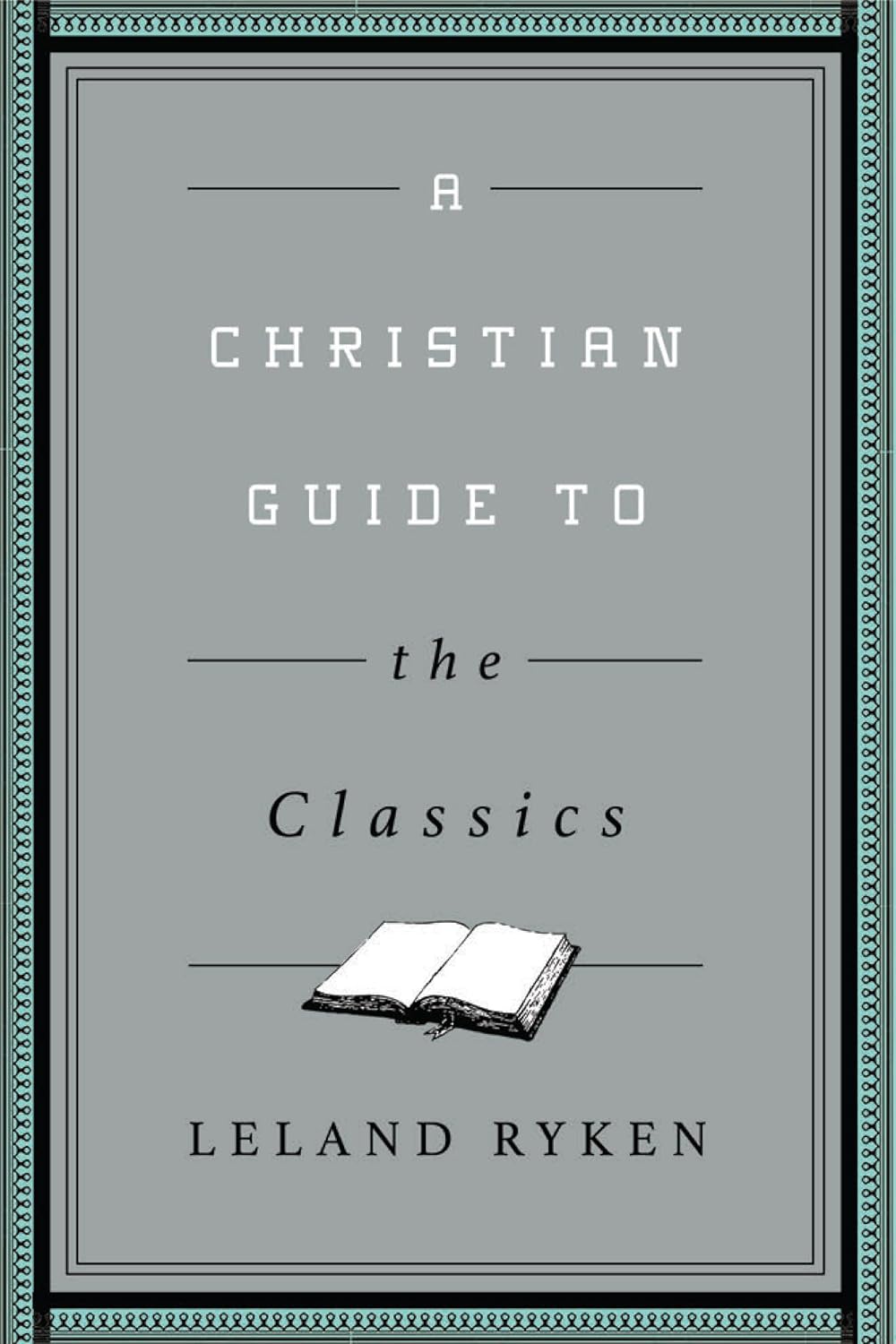
This book is an excellent guide to acquiring an education. It describes what classic books are, why they should be read, and how to read them effectively. Moreover, the author shares a short list of classic book recommendations, most of which are suitable for high school students.

The book is concise, well-written, and features helpful quotes from Horace, Augustine, T.S. Eliot, and C.S. Lewis.

The author taught literature at Wheaton College, wrote many books, and was the primary literary advisor for the English Standard Bible translation.

In this book, Ryken provides an organized accounting and general commentary of the English and Western literary canon, helping newcomers make sense of it. Also, he describes key classics such as John Milton’s Paradise Lost. He dedicates chapters of the guide to the Bible, Christian classics, and secular works, helping the reader understand the difference between helpful and less helpful classics.

Finally, Ryken emphasizes that classic literature helps one make sense of life and human experience and live well. I appreciated his emphasis on the enjoyment great books bring to readers. This is a book that a high school student can benefit from significantly.

Filed Under: Personal Growth Tagged With: Leland Ryken

Saint Paul

May 28, 2025 by Daniel Dignan Leave a Comment

It’s impossible to exaggerate the influence of the Apostle Paul in the world, and particularly in the West. Only Jesus the Nazarene has had a greater influence, and, trailing Paul, Aristotle, and Plato. That is quite the company.

Paul spread Christianity across the world. He founded churches in Asia and Europe, writing letters to them that are part of the Bible’s New Testament. The most famous is his letter to the church in Rome, titled Romans. In it, he explains God’s good news, which began to be explained in the Old Testament. He wrote:

…for all have sinned and fall short of the glory of God… (3:23 – English Standard Version)

For the wages of sin is death, but the free gift of God is eternal life in Christ Jesus our Lord. (6:23)

…But God shows his love for us in that while we were yet sinners, Christ died for us. (5:8)

…if you confess with your mouth that Jesus is Lord and believe in your heart that God raised him from the dead, you will be saved. For with the heart one believes and is justified, and with the mouth one confesses and is saved. (10:9,10 – English Standard Version)

…So then let us cast off the works of darkness and put on the armor of light. Let us walk properly as in the daytime, not in orgies and drunkenness, not in sexual immorality and sensuality, not in quarreling and jealousy. But put on the Lord Jesus Christ, and make no provision for the flesh, to gratify its desires. (13:12-14)

Paul’s life and letters changed the lives of millions of people, but also influenced the West’s commitment to human dignity. Their influence has been increasing worldwide.

Paul’s letters include Romans, 1 and 2 Corinthians, Galatians, Ephesians, Philippians, Colossians, and 1 and 2 Thessalonians. The cities mentioned in these letters are still visible today. I recently visited several and will share highlights over the next few weeks.

Basilica of St. Demetrius

Paul’s New Testament letters ought to be part of every student’s reading plan. I recommend starting with the Gospel of Mark, then reading Paul’s Epistle to the Romans. (If you want a helpful guide to Romans, appropriate for students, I recommend Timothy Keller’s popular commentary: Part 1 and Part 2.)

Filed Under: Personal Growth Tagged With: Apostle Paul, Saint Paul

“…a day full of memories.”

May 26, 2025 by Daniel Dignan Leave a Comment

Transcript

Memorial Day

Filed Under: Civic Responsibility Tagged With: 1986, Memorial Day, Ronald Reagan

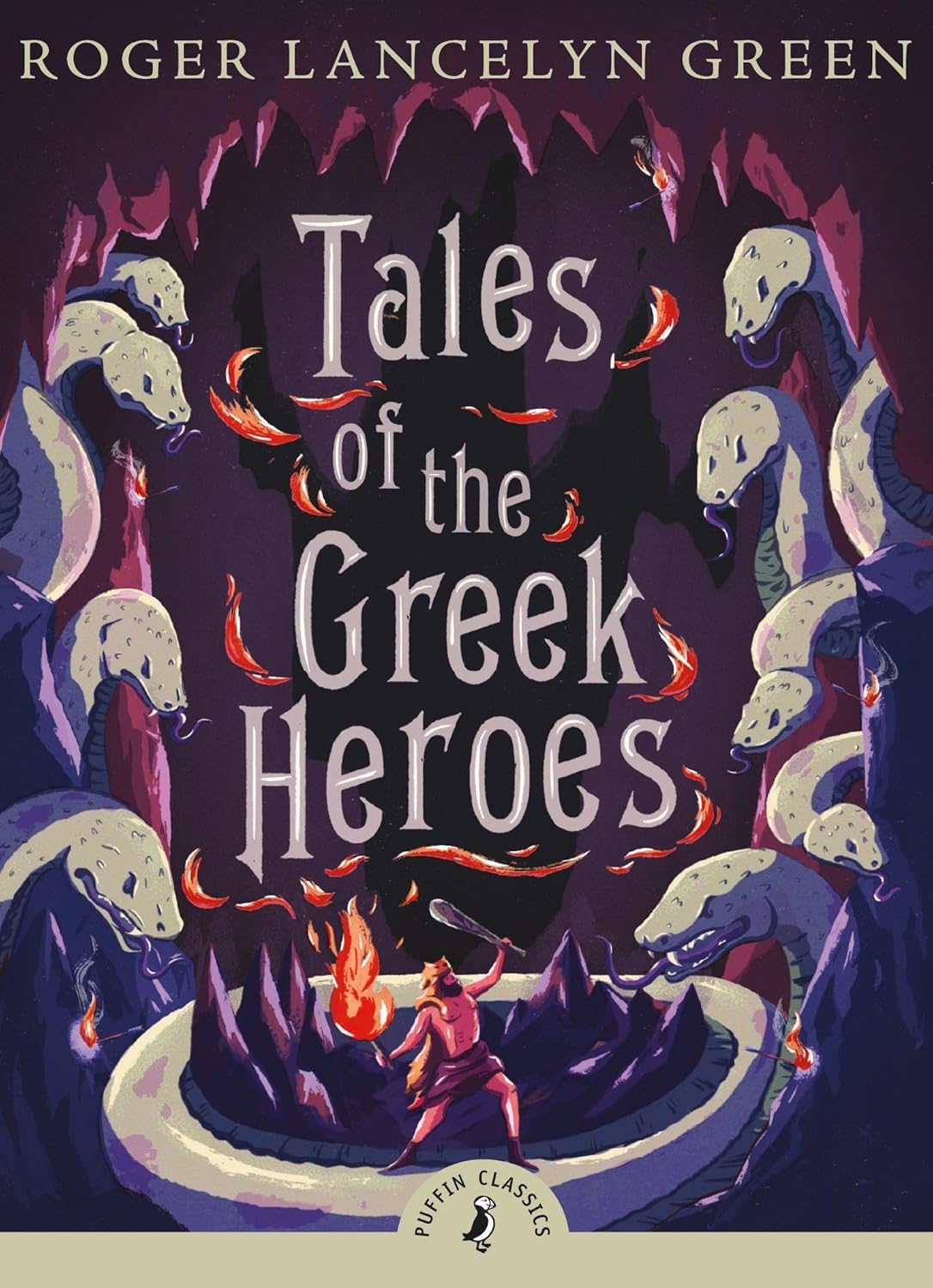
Tales of the Greek Heroes

May 24, 2025 by Daniel Dignan Leave a Comment

For a young person to gain courage and to lead well, it is helpful to learn the wisdom of the past. Edmund Burke, the great conservative British statesman, said, “People will not look forward to posterity who never look backward to their ancestors.” Reading the West’s history and ancient stories provides great benefits.

Every civilization has ancient stories, some of which are historical and others mythic. Many of the West’s ancient stories come from Greece and Rome. The Greco-Roman stories include tales of gods and heroes, such as Prometheus’ gift of fire to humanity, Theseus and the Minotaur, and Hercules’ labors and battles against the giants. They are enjoyable to read.

The Greeks regarded physical strength, heroism in war, and hospitality as moral virtues. They also recognized the sacredness of one’s word, work, marriage, family, and city. They believed in a supernatural world, sin, and the need for atonement.

Many lessons can be learned: curiosity does not always lead to a good end (Pandora’s box); a happy marriage requires more than physical attraction and emotional attachment (Jason and Medea); individual human dignity matters (Procrustes’ bed); feelings and desires are not always legitimate and often lead to bad ends (Siren’s call); and the road to greatness requires enormous self-sacrifice (Hercules’ labors).

Roger Lancelyn Green’s Tales of the Greek Heroes is a valuable resource for young people. By his admission, it is a simple retelling of the ancient stories. He weaves them into a unified narrative, remaining faithful to the originals, except for minor additions, which he notes.

Lastly, these stories provide the context for two of the most famous Greek tales about the Trojan War and the return of one of its heroes: Homer’s Iliad and Odyssey.

Filed Under: Personal Growth Tagged With: Hercules, Roger Lancelyn Green, Tales of the Greek Heroes

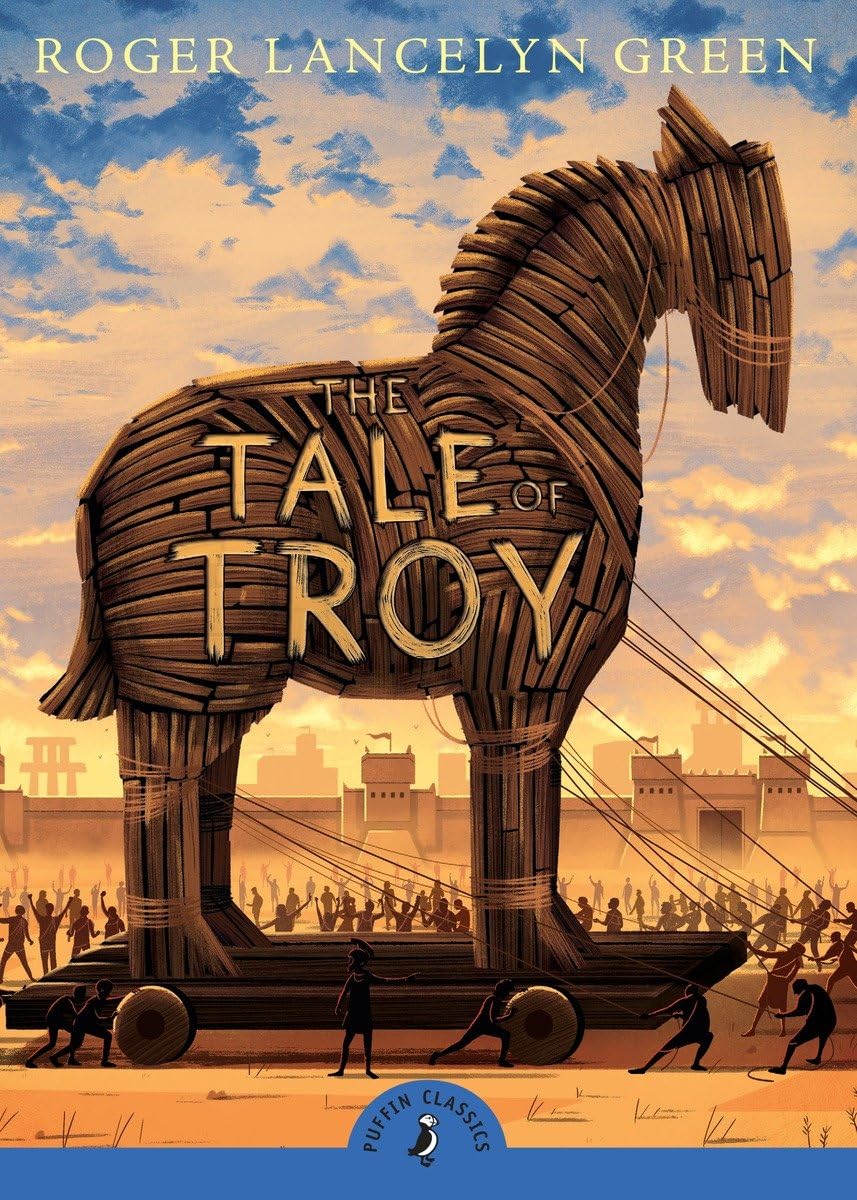
The Tale of Troy

May 10, 2025 by Daniel Dignan Leave a Comment

An actor, teacher, and friend of C.S. Lewis, Roger Lancelyn Green was a gifted storyteller who wrote several short stories for children. (He encouraged Lewis to publish The Lion, the Witch, and the Wardrobe.) The Tale of Troy is about the Trojan War and the heroes’ return home.

If your son or daughter is not quite ready to read Homer’s Iliad and Odyssey, this story is a good place to start. While staying true to the ancient stories, he shortened them, enabling a retelling of the whole. His enjoyable version includes the background, main events, what happened to the heroes, and Odysseus’s journey home to his wife, son, and kingdom.

The tales of the central characters — Agamemnon, Menelaus, Paris, Helen, Achilles, Hector, Ajax, Aeneas, Odysseus, Telemachus, Penelope — are told.

Green’s book offers students a solid foundation in the West’s literature; it’s hard to think of a better choice. The book is well-written, action-packed, and moves quickly. I recommend reading it to your student(s).

Finally, the illustrations are by Pauline Baynes, the original illustrator of The Chronicles of Narnia.

Filed Under: Personal Growth Tagged With: Homer, Roger Lancelyn Green, The Odyssey, The Tale of Troy, Trojan War

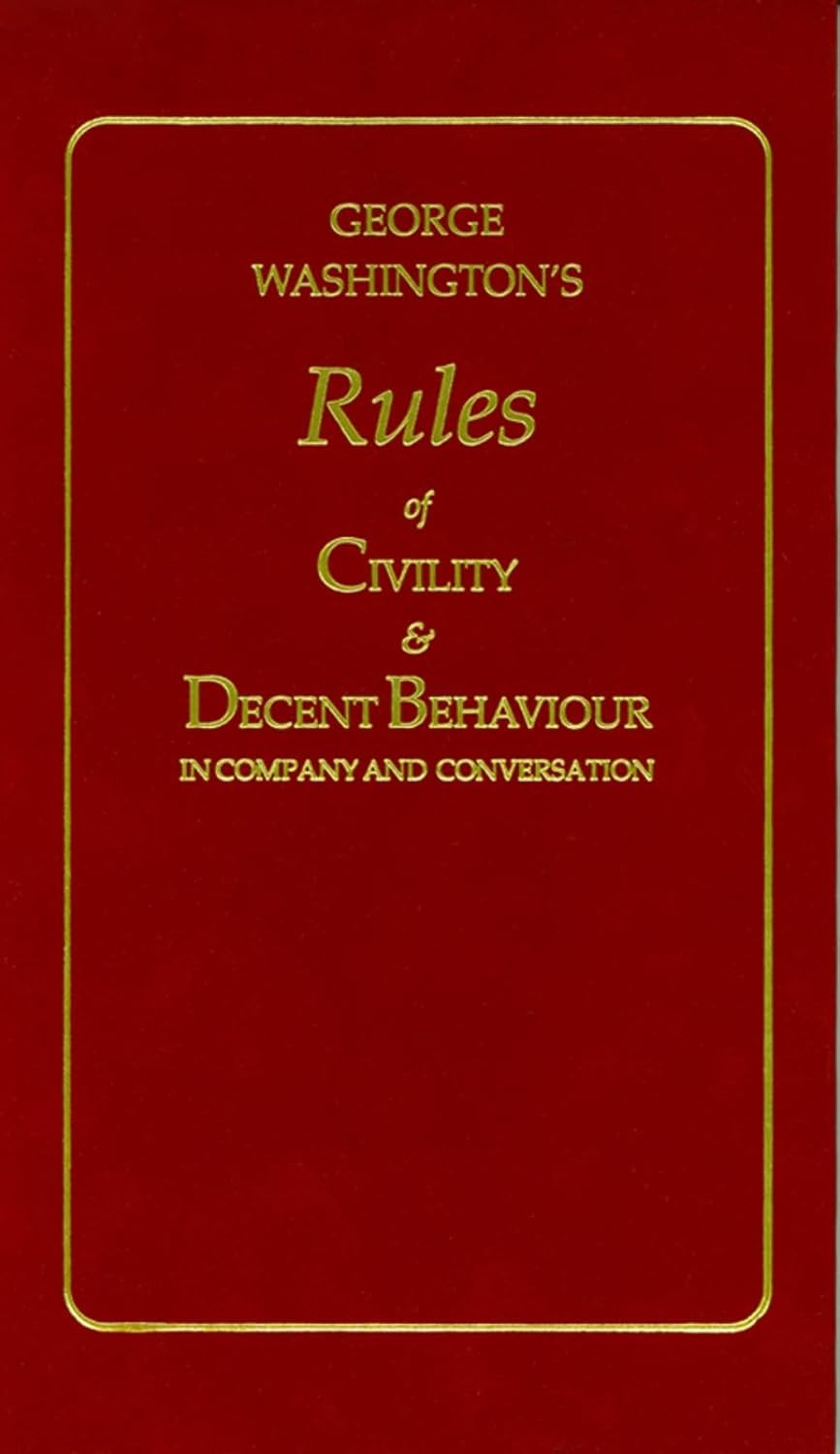
Rules of Civility & Decent Behavior

May 3, 2025 by Daniel Dignan Leave a Comment

I reread George Washington’s Rules of Civility & Decent Behavior, which a young Washington copied for personal use. According to Wikipedia, the instructions date back to the 16th century. Most of the maxims, except for two or three, apply today.


Some are quite clearly true: “In the presence of others sing not to yourself with a humming noise, nor drum with your fingers or feet.”

Some are humorous: “Do not laugh too much or too loud in public.”

Others are consequential, and for those who desire to lead. “Let your countenance be pleasant, but in serious matters somewhat grave.” “Let thy carriage be such as becomes a man: grave, settled, and attentive to that which is spoken. Contradict not at every turn what others say.” And “Think before you speak; pronounce not imperfectly nor bring out your words too hastily, but orderly & distinctly.”

Toward the end, the maxims help make others comfortable in your presence. This has the added benefit of giving one confidence in social settings. “Be not forward but friendly and courteous; be the first to salute, hear, and answer; & be not pensive when it’s time to converse.”

The most critical maxims deal with justice toward others. “Detract not from others; neither be excessive in commanding.” “Strive not with superiors in argument, but always submit your judgment to others with modesty.”

While behavior like this has become a lost art, it is of timeless importance. The behavior requires acting with kindness and grace. I recommend the book to high school students. The maxims can be read in a single sitting. Their brevity and proverb-like construction make them memorable and enjoyable.

Filed Under: Earning a Living, Personal Growth Tagged With: Decent Behavior, George Washington, Rules of Civility

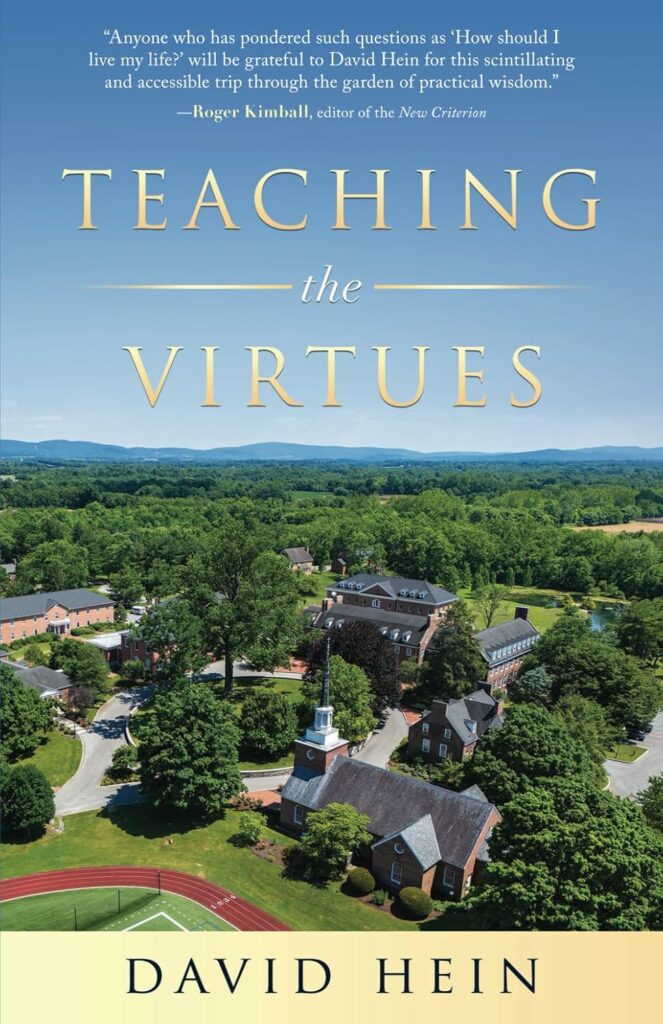
Teaching the Virtues

April 27, 2025 by Daniel Dignan Leave a Comment

Have you ever wondered whether virtues can be taught and how to do so? David Hein’s book Teaching the Virtues is a good place to start. Hein defines essential virtues, such as faith, love, honor, and gratitude, and explains how to help students acquire them. He believes virtues are necessary for happiness, writing: “The virtues are what enable human beings to achieve their good ends….” (24)

Fair Use

Hein begins by focusing on schools and learning communities. To improve, schools need to self-assess, learn from better schools, and determine if their students are becoming more virtuous. Schools cannot rely solely on passive learning methods; they must find ways to help students actively acquire virtues.

Next, Hein turns to writing. He believes it’s an active method for students to develop virtue. He argues that to become a good writer, one must build virtue. It requires diligence and patience. (Hein shares the writing advice he gives to college students (e.g., importance of rewriting.)

Honor is the topic of the next chapter. He describes two types of honor: the type motivated by personal glory and the type that comes from self-denial. While a student at the University of Virginia, he was struck by the meaning and significance of the honor code. He shares how it helped him develop integrity.

Descriptions of the theological and natural virtues, beginning with faith, are the core of the book. According to Hein, one’s values influence one’s decisions and behaviors. For example, one who values the God of the Bible tends to respect human dignity. On the other hand, a person who values personal autonomy over all would tend to regard personal desire and will.)

To see virtue in concrete human experience, Hein encourages the study of biographies. The book features short character sketches of George Washington, Hannah More, and Booker T. Washington. He underlines ways one might use them to discuss virtue.

In closing, Hein, a Christian, believes in the importance of piety—enjoying God and gratitude for His work (Genesis 1:1; John 1:1-5; John 3:16). Hein points out that many people demonstrate virtues like courage in the service of evil. The truth and piety orient virtue toward what is good.

Teaching the Virtues sharpens the reader’s understanding of virtues and methods for helping students acquire them. For continued study, Hein shares additional resources.

Filed Under: Personal Growth Tagged With: David Hein, Teaching the Virtues, Virtue

Easter Book

April 20, 2025 by Daniel Dignan Leave a Comment

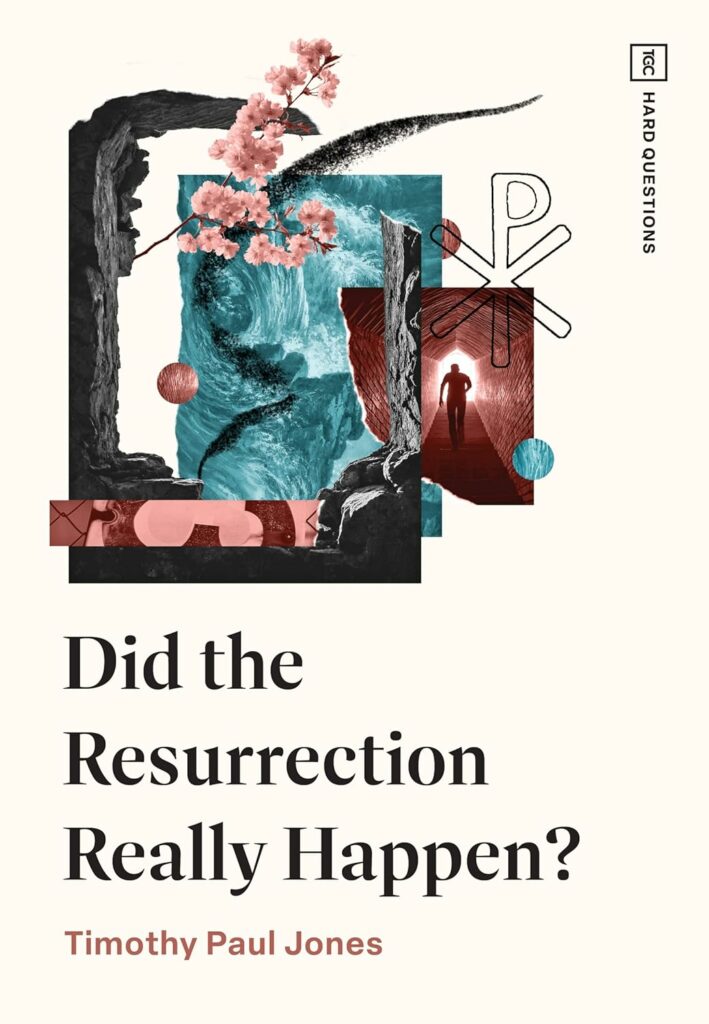
During the rise of Christianity, a pagan spring festival became a Christian celebration of Christ’s resurrection from the dead. The four gospels–Matthew, Mark, Luke, and John–contain the story of the event that changed the world.

Did Christ, a Jewish carpenter in first century Rome, really rise again from the dead three days after he was crucified? Or is this story a fairy tale? If a fairy tale, Christianity is a lie and not worth bothering about. If the resurrection happened, there is hope beyond the grave.

In Did the Resurrection Really Happen? theologian and seminary professor Timothy Paul Jones, argues briefly that the first-century Christian leaders believed the resurrection happened, not against all evidence, but because of the evidence.

The author shares his own youthful doubts, the quality of the eye-witness testimonies, and the hope Christ’s resurrection offers. This is a short book suitable for high school students and readable in one sitting.

Jones counters major claims that Christ’s resurrection is a mere spin-off of ancient myths of dying and rising gods, that the Jews expected Christ to rise from the dead, that Christ’s followers hallucinated, and more. He shows how the New Testament record, eye-witness accounts, the empty tomb, and the martyrdom of Christian leaders makes claims against the resurrection challenging to believe.

Lastly, the author provides recommended books for those interested in learning more.

Fair Use

Filed Under: Personal Growth Tagged With: Easter, Jesus Christ, resurrection, Timothy Paul Jones

  • « Previous Page
  • 1
  • …
  • 4
  • 5
  • 6
  • 7
  • 8
  • …
  • 11
  • Next Page »