
Outside of the Bible, no book has had more impact on the West than Homer’s Odyssey. One of the five great Western epics, it has inspired ages of thinkers and adventurers with its story, form, and timeless lessons.
This adventure story follows the journey of a Greek warrior and king, Odysseus, as he endeavors to return home after the Trojan War. Twelve temptations threaten his success. The hero’s son and wife struggle in his absence: Telemachus searches for his father, and Penelope resists conniving suitors at home.
Who can forget the hero’s adventures? His struggle against the deadly witch, outsmarting the cyclops, leadership at sea, the Siren’s Call, faithfulness to his family and home, and patient planning to right wrongs all factor into an epic of endurance. He faced grave danger, overt temptation, and subtle dangers that require careful reading.
Leland Ryken has noted that it (along with its prequel, The Iliad) was a kind of bible for the ancient Greeks.
If read carefully and with help, a teenager can benefit from witnessing the virtues displayed in the face of temptations. I recommend Emily Wilson’s poetic translation; it was a joy to read.
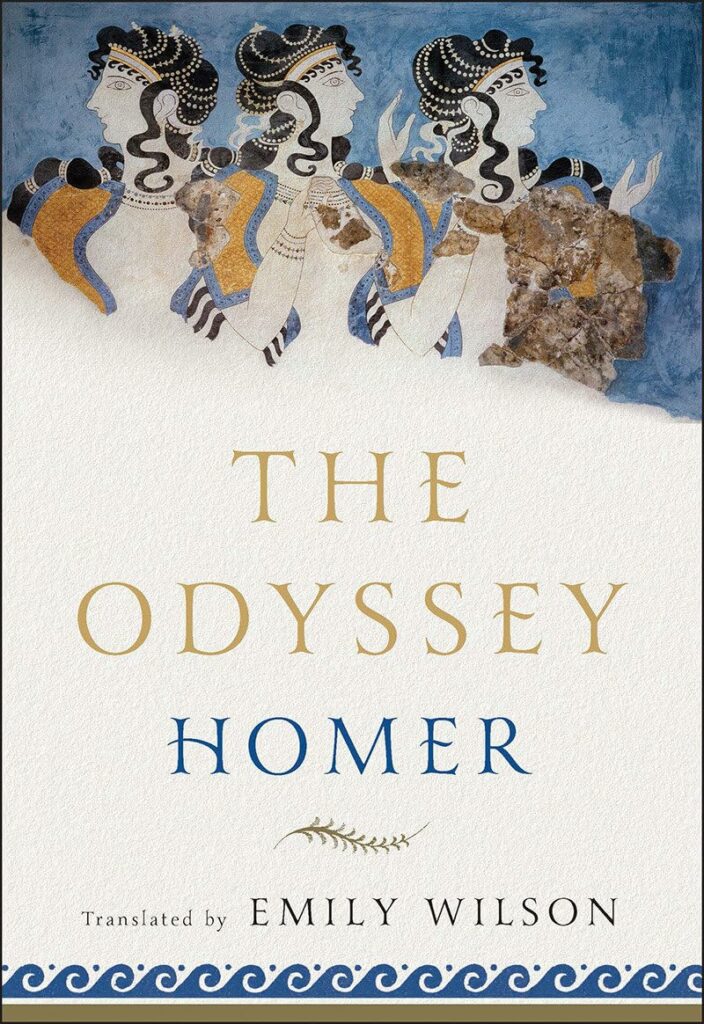
The Odyssey might be the best entry point if your son or daughter has never read Homer. The Iliad is fascinating but focuses on war and can be tiring. The Odyssey offers more variety, and the lessons are more apparent.